Annapurna
Ghorepani Poon Hill Trek - 5 Days

- DestinationNepal
- RegionAnnapurna
- Duration5 Days
- TransportationDrive
- Max Height3,210 m / 10,532 ft
- ActivitiesTrekking, Cultural Immersion, Photography, Bird Watching
- Trip GradeEasy to Moderate
- AccommodationTea House
- Group SizeMin. 1 Pax
- Best SeasonYear-round (Best: Mar-May & Sep-Nov)
- MealsB.L.D.
- Start / End PointNayapul
Introduction
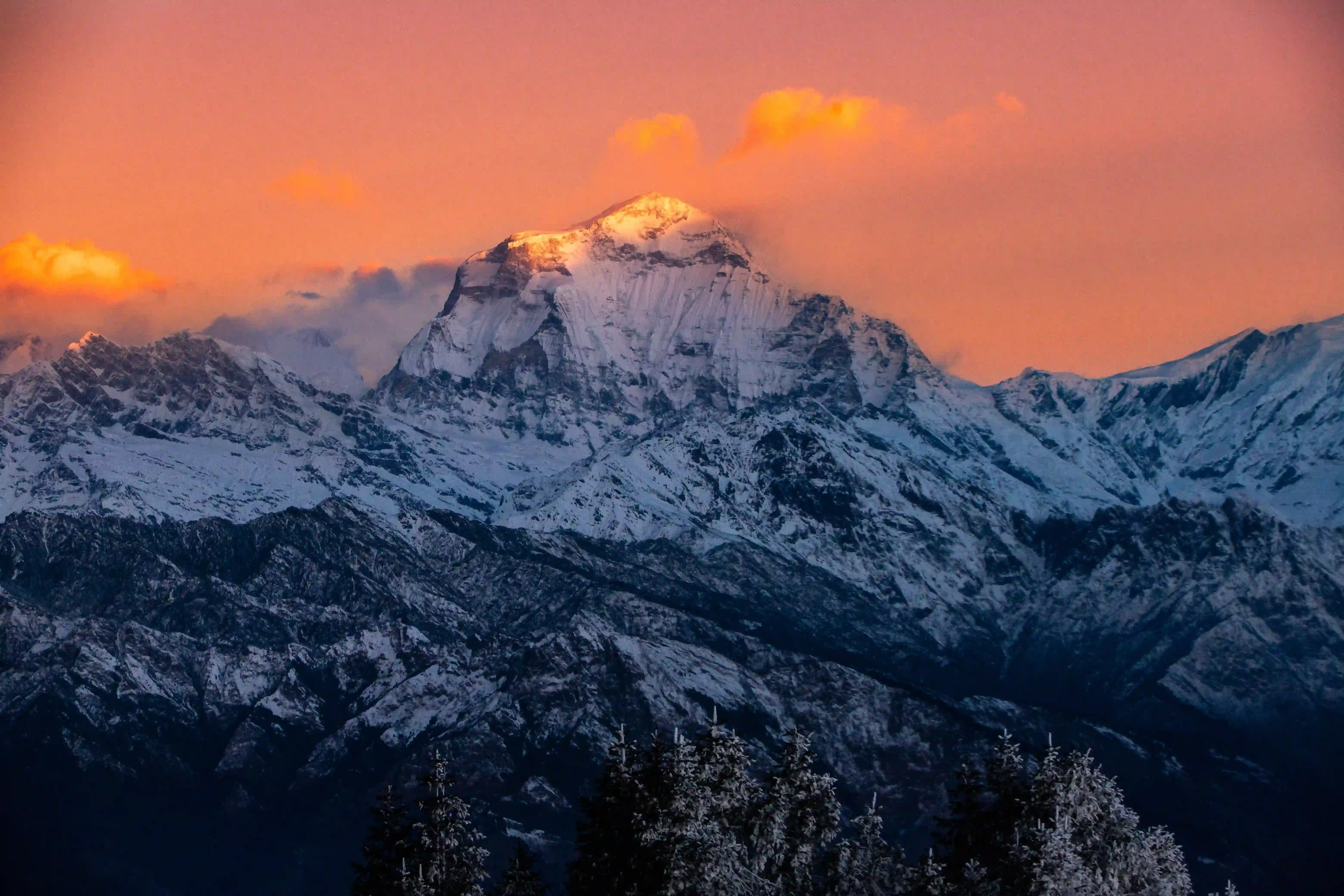
The Ghorepani Poon Hill Trek is Nepal's most popular short trek, perfect for those with limited time who still want to experience breathtaking Himalayan views. This easy 5-day trek takes you to the world-famous Poon Hill viewpoint (3,210m), where you'll witness one of the most spectacular sunrise panoramas in the Himalayas - over 40 peaks including Dhaulagiri (7th highest), Annapurna I (10th highest), Machapuchare, Nilgiri, and Manaslu stretching across the horizon. Trek through charming Gurung and Magar villages, enchanting rhododendron forests (spectacular when blooming in spring), and terraced farmlands while experiencing authentic mountain culture. With well-established trails, comfortable teahouses, and minimal altitude gain, this trek is ideal for beginners, families, older travelers, or anyone seeking a taste of Himalayan trekking without extreme challenges. The perfect introduction to Nepal's mountains!
Ghorepani Poon Hill Trek Highlights
- Witness legendary sunrise from Poon Hill - one of world's most photographed mountain viewpoints
- See 40+ Himalayan peaks including Dhaulagiri, Annapurna, and Machapuchare in one panorama
- Trek through magnificent rhododendron forests (Nepal's national flower) - spectacular in bloom
- Experience authentic Gurung culture in traditional stone villages
- Perfect short trek for beginners, families, and time-limited travelers
- Comfortable teahouse accommodation with excellent facilities throughout
- Minimal altitude means virtually no risk of altitude sickness
- Can be extended to Ghandruk or combined with Annapurna Base Camp
- Budget-friendly with no expensive flights required
Why Book the Ghorepani Poon Hill Trek with Us?
- Expert local Gurung guides with lifetime knowledge of the region
- Pre-dawn coordination for perfect Poon Hill sunrise timing
- Small group sizes for personalized attention
- Quality teahouse selection at optimal locations
- Flexible itinerary adaptable to your pace
- Cultural village experiences and homestay options
- Bird watching guidance (over 300 species in region)
- Photography tips for capturing perfect sunrise shots
- Family-friendly approach with special care for children and elderly
- Porter support available for comfortable trekking
- 100% departure guarantee - we never cancel
Ghorepani Poon Hill Trek Itinerary
After breakfast in Pokhara, scenic drive to Nayapul (1,070m), the gateway to Annapurna region. Begin trekking along the Modi Khola river through terraced rice paddies and small villages. Pass through Birethanti, a charming town where you'll complete permit registration. Continue alongside the river, crossing suspension bridges decorated with prayer flags. Gradual ascent through forests and farmland to Tikhedhunga village. Check into comfortable teahouse. This gentle first day allows your body to adjust to trekking.
Today features the trek's most challenging section - but it's achievable for anyone with reasonable fitness! Climb the famous stone staircase (over 3,000 steps) to Ulleri village, passing through beautiful forests. The stairs are well-maintained with tea shops offering rest stops every 15-20 minutes. From Ulleri, continue through magnificent rhododendron forests (if spring, these will be blooming spectacularly!) to Nangethanti. Final gentle climb brings you to Ghorepani, meaning "horse water" - historically where traders watered their horses. Rest and prepare for tomorrow's early Poon Hill sunrise. Clear evening offers preview mountain views.
Wake at 4:30 AM for the magical pre-dawn climb to Poon Hill summit (45 minutes). Join fellow trekkers at this world-famous viewpoint for one of the Himalayas' most spectacular sunrises. Watch as golden light illuminates over 40 peaks in a 180-degree panorama: Dhaulagiri (8,167m), Annapurna I (8,091m), Annapurna South, Hiunchuli, Machapuchare "Fishtail," Nilgiri, Tukuche Peak, and countless others. The scene is absolutely breathtaking - cameras clicking everywhere! After sunrise and hot tea from viewpoint vendors, descend to Ghorepani for breakfast. Trek through pristine rhododendron forests with continuous mountain views to Tadapani. This section is quieter and beautiful.
Shorter, easier day descending through rhododendron and oak forests. Cross streams and enjoy changing landscapes. Arrive at Ghandruk, one of Nepal's most beautiful and largest Gurung villages built on hillside terraces. Stunning close-up views of Annapurna South, Hiunchuli, and Machapuchare dominate. Explore the village's narrow stone-paved alleys, visit the old Gurung Museum showcasing traditional culture and lifestyle, observe women weaving traditional carpets, and interact with friendly locals. Ghandruk is famous for maintaining strong cultural traditions. Enjoy mountain sunset views from your teahouse.
Final trekking day descending through beautiful terraced farmlands where locals grow rice, millet, and vegetables. Pass through several small villages observing daily rural life. The trail offers different perspectives of the mountains. Reach Nayapul where your vehicle awaits. Drive back to Pokhara arriving by afternoon. Check into lakeside hotel. Rest, shower, and celebrate your Poon Hill achievement! Optional evening celebration dinner at lakeside restaurant with views of Phewa Lake and Machapuchare reflection (if weather clear). Time to shop for souvenirs or book massage.
Why This Trek?
The Ghorepani Poon Hill Trek is the perfect introduction to Himalayan trekking, offering spectacular mountain panoramas, rich cultural experiences, beautiful nature, and manageable challenges in just 5 days. Standing on Poon Hill at sunrise, watching golden light illuminate over 40 Himalayan peaks stretching across the horizon, is an absolutely magical moment that will stay with you forever. The legendary sunrise view, combined with blooming rhododendron forests (in spring), charming Gurung villages, comfortable teahouses, and reasonable physical demands, makes this Nepal's most popular short trek for excellent reasons. Whether you're a first-time trekker testing your abilities, a family creating memories together, a traveler with limited time, or anyone seeking authentic mountain experiences without extreme challenges, Poon Hill delivers beyond expectations. The low altitude means minimal risk, the short duration fits tight schedules, and the spectacular rewards rival much longer treks.
Ready to witness one of the world's most legendary sunrise views? Book your Ghorepani Poon Hill Trek today and discover why this is Nepal's most beloved short trek. Perfect for beginners, families, photographers, nature lovers, and anyone wanting to experience the magic of the Himalayas in just 5 days. Trek through blooming rhododendron forests, experience authentic Gurung culture, and stand atop Poon Hill watching the sunrise over 40 Himalayan giants. Our expert local guides ensure perfect timing, cultural insights, and unforgettable experiences. Whether this is your first trek or you're a seasoned adventurer seeking a shorter journey, Poon Hill never disappoints. Contact us now to start planning your Himalayan adventure!
Trek Difficulty
The Ghorepani Poon Hill Trek is rated easy to moderate, making it one of Nepal's most accessible mountain treks. The low maximum altitude (3,210m), well-maintained trails, short duration (4-5 days), and excellent infrastructure make it perfect for beginners, families with children, older travelers, or anyone wanting to test their trekking abilities. The main challenge is the stone staircase from Tikhedhunga to Ulleri on day 2 - but with proper pacing and rest stops, it's achievable for most people with basic fitness.
Physical Fitness
Basic to moderate fitness is sufficient for this trek. You should be comfortable walking 4-6 hours per day on varied terrain. The Ulleri staircase (3,000+ steps) requires leg strength and cardiovascular endurance but is manageable with rest breaks at the many tea shops along the way. Recommended preparation: regular walking or light exercise 3 times weekly for 3-4 weeks before departure, stair climbing practice (office buildings, stadiums, or hills), basic leg strengthening (squats, lunges). If you can walk for 4 hours continuously and climb stairs for 30 minutes, you should manage comfortably. This is an excellent "first trek" to gauge your trekking ability.
Altitude Sickness
Altitude sickness is extremely rare on the Poon Hill trek due to the low maximum elevation (3,210m). Most people experience no altitude-related symptoms whatsoever below 3,500m. The gradual ascent profile and overnight stays below 3,000m make this trek very safe altitude-wise. However, basic precautions still apply: stay hydrated (2-3 liters daily), eat well, avoid excessive alcohol, inform your guide if you feel unwell. The pre-dawn Poon Hill climb gains only 400m from Ghorepani, so no altitude issues. This trek is perfect for testing your altitude response before attempting higher treks.
Preparation
Minimal specialized preparation is needed - this is Nepal's most beginner-friendly mountain trek. Recommended preparation: 3-4 weeks of regular walking or light hiking, practice stair climbing (excellent for Ulleri stairs!), break in your trekking boots on several walks (100km ideal), basic fitness activities like swimming or cycling, practice walking with a light daypack (5kg). Mental preparation: research the route, set realistic expectations about basic teahouse accommodation, prepare for early wake-up for Poon Hill sunrise (4:30 AM). This trek requires more determination than exceptional fitness - if you're motivated, you can do it!
Cost & Budgeting
Budget overview
The Ghorepani Poon Hill Trek is extremely budget-friendly, typically costing $300 to $800 per person depending on group size, service level, and personal expenses. It's one of Nepal's most affordable treks due to short duration, no flights required, and excellent infrastructure with competitive pricing.
Estimated cost breakdown
Saving tips
Join group treks to share guide and transport costs (saves 30-40%). Trek in shoulder seasons (March or November) for negotiable rates. Take local bus from Pokhara instead of private jeep (saves $30-40 but less comfortable). Bring your own sleeping bag to avoid rental ($2/day). Order Dal Bhat meals (unlimited refills, best value). Share rooms with travel companion. Carry water purification tablets instead of buying bottled water ($2-3/day savings). Book directly with Pokhara operators. Trek independently if experienced (saves guide cost but you miss cultural insights). Budget accommodations in Pokhara instead of lakeside hotels.
Best Time to Trek
The Ghorepani Poon Hill Trek can be done year-round, but optimal times are autumn (September-November) and spring (March-May). The low altitude and well-protected trails make it more weather-resistant than high-altitude treks. Even monsoon and winter are viable with proper preparation.
Spring
Spring (March to May) is absolutely spectacular for Poon Hill, especially late March through April when rhododendron forests are in full bloom. Entire hillsides explode with red, pink, and white flowers - it's magical! March can still have cool mornings (bring warm layers for Poon Hill sunrise). April offers warm weather and crystal-clear mountain views. May gets warmer but afternoon clouds increase. Spring is perfect for nature lovers and photographers. Daytime temperatures: 15-22°C at lower elevations, 5-12°C at Ghorepani. Poon Hill sunrise temperature: 0-5°C (cold but bearable with proper clothing).
Autumn
Autumn (September to November) is the most popular season with the clearest skies, most stable weather, and excellent visibility. September can still have monsoon moisture and clouds, but October and November offer spectacular crystal-clear mountain views. October is busiest season but deservedly so - nearly perfect conditions. November is cooler but still excellent with fewer crowds. Best for photographers wanting sharpest mountain images. Daytime temperatures: 10-20°C at lower elevations, 5-10°C at Ghorepani. Poon Hill sunrise: -2 to 3°C. October is the single best month for this trek.
Monsoon
Monsoon (June to August) is challenging but feasible. Daily afternoon rain, leeches below 2,500m, and cloud cover obscuring mountain views are main concerns. However, advantages include: empty trails (90% fewer trekkers), discounted prices, lush green landscapes, wildflowers, misty atmospheric forests. Mornings often clear enough for mountain views. Bring good rain gear and leech socks. Only recommended for flexible travelers who don't mind rain and uncertain weather. Landslides can occasionally block roads to Nayapul.
Winter
Winter (December to February) is cold but beautiful with crystal-clear skies offering spectacular visibility. Snow possible above 2,500m (adds beauty!). December and January are coldest. February starts warming. Trails nearly empty - peaceful and pristine. Teahouses remain open. Daytime temperatures: 8-18°C at lower elevations, 0-8°C at Ghorepani. Poon Hill sunrise: -5 to 0°C (very cold - excellent warm clothing essential). Perfect for those seeking solitude who handle cold well. Sunrise views can be the year's best with snowy foreground.
Weather is generally predictable and mild due to low altitude. Spring and autumn see mostly clear mornings with afternoon clouds possible. Rain showers can occur even in dry seasons but are usually brief. Poon Hill sunrise is cold year-round (0-5°C typical, -5°C in winter) due to pre-dawn timing - warm layers essential. Temperature variations between sun and shade are significant. Bring layers for flexibility. The Annapurna region creates its own weather patterns - always pack rain jacket regardless of season.
Choose spring (March-April) for blooming rhododendrons and beautiful nature - ideal for families and nature enthusiasts. Choose autumn (October-November) for clearest mountain views and best photography conditions - ideal for serious photographers. Winter offers solitude and clear skies if you don't mind cold. Avoid monsoon unless you're very flexible about weather and mountain views. October is single most popular month but March-April runs close second. Both are excellent!
Permits & Regulations
Overview
The Ghorepani Poon Hill Trek requires the same two permits as longer Annapurna treks: ACAP (Annapurna Conservation Area Permit) and TIMS card. These are simple to obtain and relatively inexpensive.
Annapurna Conservation Area Permit (ACAP)
Required for entry into Annapurna Conservation Area. The permit covers the entire Poon Hill trek route through protected forests and villages. Fees support forest conservation, wildlife protection (including endangered red pandas and leopards), trail maintenance, and community development projects. The rhododendron forests you trek through are protected under this conservation area. Cost: NPR 3,000 (approximately $30 USD) for foreigners, NPR 1,000 for SAARC nationals.
Trekkers' Information Management System (TIMS) Card
TIMS card maintains a database of trekkers for safety purposes and helps with rescue coordination in emergencies. Funds support tourism infrastructure and trekker safety programs. Mandatory for all trekkers in Annapurna region. Cost: NPR 2,000 ($20) for independent trekkers, NPR 1,000 ($10) for organized group treks through registered agencies.
How to obtain
Both permits can be obtained in Pokhara at the Nepal Tourism Board office (near lakeside - 15 minutes walk from main tourist area) or ACAP office. Required: passport, 2 passport photos, and trekking dates. Processing takes 15-30 minutes. Most trekking agencies arrange permits as part of packages (recommended - saves time and hassle). If arranging yourself, visit offices morning for quickest service. Keep permits accessible as checkpoints verify them at Birethanti and Ghandruk. Alternatively, permits can be obtained in Kathmandu before traveling to Pokhara.
Accommodation & Food
Overview
Accommodation on the Ghorepani Poon Hill Trek consists of comfortable, well-established teahouses with good facilities. This route has some of Nepal's best teahouse infrastructure due to its popularity. From basic mountain lodges to surprisingly nice options with hot showers and WiFi.
Teahouses
Teahouses provide twin-bedded rooms with mattresses, pillows, and blankets. Facilities vary by location: Lower villages (Tikhedhunga, Ghandruk) offer better amenities: attached or shared western toilets, hot showers ($2-3), reliable electricity, charging stations ($1-2/hour), WiFi ($2-4/day), comfortable dining areas. Ghorepani and Tadapani have good facilities with hot showers and charging. Rooms are unheated but dining areas have stoves (gather here in evenings!). Most teahouses have mountain views from windows or terraces. Blankets provided but bringing sleeping bag adds comfort and hygiene. Some lodges offer single rooms for solo travelers (extra cost). Competition keeps prices reasonable and quality high.
Food
Food quality is excellent with diverse menus. Standard offerings: Dal Bhat (rice and lentils - unlimited refills, best value and most nutritious), noodle soups, fried rice, momos (dumplings), pasta, Tibetan bread, porridge, eggs, pancakes. Western food available: pizza (surprisingly good!), burgers, apple pie (famous in this region!). Fresh vegetables and local ingredients. Gurung specialties available in Ghandruk. Food prices very reasonable throughout (Dal Bhat $5-7). Hot drinks: tea, coffee, hot chocolate. Vegetarian options excellent. Dietary restrictions easily accommodated.
Order Dal Bhat for unlimited refills and best nutrition - provides all the energy you need for trekking. Stay hydrated with 2-3 liters daily. Try local apple products (apple juice, apple pie, apple brandy for adults!). Ginger lemon tea is warming and healthy. Support teahouses by eating where you sleep (some require this). Try Gurung bread in Ghandruk - local specialty. Budget $20-25 per day for all meals - very affordable. Dining areas are social hubs where trekkers from around the world share experiences - enjoy the camaraderie! Evening meals with mountain views through windows are special.
Packing List
Essential gear
Clothing
Base layer thermals (1-2 sets), fleece jacket, light down or synthetic insulated jacket (for Poon Hill sunrise!), waterproof rain jacket, waterproof pants or rain cover, trekking pants (2), quick-dry shirts (2-3), warm hat (essential for Poon Hill!), sun hat, gloves (warm pair for sunrise), buff/scarf, underwear and socks (5 pairs)
Footwear
Comfortable trekking boots or sturdy hiking shoes (broken in!), camp shoes/sandals for teahouses, trekking socks (4-5 pairs - wool or synthetic), sock liners (optional)
Gear
Sleeping bag (optional - blankets provided, but sleeping bag adds comfort, 0°C rating sufficient), daypack (25-35L), trekking poles (helpful for Ulleri stairs and descents), headlamp with extra batteries (essential for pre-dawn Poon Hill!), sunglasses, water bottles (1.5-2L), water purification tablets
Personal Items
Sunscreen SPF 30+, lip balm, basic first-aid kit (band-aids, pain relievers, blister treatment), personal medications, hand sanitizer, wet wipes, toilet paper, quick-dry towel, toiletries, insect repellent (for lower elevations in summer)
Electronics & Documents
Camera/smartphone (for sunrise!), extra batteries and memory cards, power bank (5,000-10,000 mAh), universal adapter, headphones, passport with copies, permits, cash (NPR and USD), credit card
Optional
Book or Kindle for evenings, journal for recording experiences, playing cards, lightweight binoculars (great for bird watching - 300+ species!), thermos for hot drinks on trail, gaiters (monsoon/winter only), portable solar charger, extra camera for backup, notebook for sketching or notes, small gifts for village children (pens, notebooks)
What not to pack
Heavy jeans or cotton clothing, excessive clothes (laundry available in Pokhara, not needed on trail), hair dryer, expensive jewelry, laptop, too many electronics, hardcover books, non-essential toiletries (basics available), single-use plastics (environmental concern), too many "just in case" items. Pack light! The Annapurna region has excellent infrastructure - forgotten items can be bought in Pokhara before starting. A lighter pack makes the Ulleri stairs much easier!
Guides & Support
Benefits of a guide
While the Poon Hill trek is frequently done independently (well-marked trails, English widely spoken, plentiful teahouses), hiring a local guide significantly enhances the experience. Benefits include: perfect sunrise timing and positioning at Poon Hill (guides know the best spots for photos!), cultural interpretation in Gurung villages (stories, traditions, home visits), plant and bird identification (guides know local flora and fauna), best teahouse recommendations, language assistance for meal ordering and interaction, support and motivation on Ulleri stairs, safety backup, photography assistance, enriched cultural experience. Guides transform a scenic walk into cultural immersion.
How to choose
For Poon Hill, choose guides with: local origin from Annapurna region (Gurung or Magar ethnic guides offer best cultural insights), good English communication, friendly personality (important for short treks!), knowledge of Poon Hill sunrise timing and best viewing spots, familiarity with rhododendron species and blooming times (if spring), bird watching knowledge (bonus!), references from recent clients. Government certification important but local knowledge matters most for this cultural trek. Book through Pokhara agencies for best local guides. Many excellent guides are from villages along the route and offer authentic experiences. Solo travelers often hire guides for safety and companionship.