Everest (Khumbu)
Everest Base Camp Gokyo Lakes Trek - 16 Days

- DestinationNepal
- RegionEverest (Khumbu)
- Duration16 Days
- TransportationFlight
- Max Height5,545 m / 18,192 ft
- ActivitiesHigh-Altitude Trekking, Mountaineering, Photography
- Trip GradeStrenuous
- AccommodationTea House
- Group SizeMin. 2 Pax
- Best SeasonApr-May & Oct-Nov
- MealsB.L.D.
- Start / End PointLukla
Introduction
The Everest Base Camp Gokyo Lakes Trek is the ultimate comprehensive journey through the Khumbu region, combining two of Nepal's most spectacular treks into one unforgettable adventure. This 16-day expedition takes you to Everest Base Camp (5,364m) and Kala Patthar (5,545m) for iconic Everest views, then crosses the challenging Cho La Pass (5,420m) to reach the stunning turquoise Gokyo Lakes and summit Gokyo Ri (5,357m) for panoramic vistas of four 8,000-meter peaks. Experience the best of both worlds: the prestige and excitement of standing at Everest's doorstep, plus the pristine beauty and solitude of the Gokyo Valley. Trek alongside massive glaciers, through traditional Sherpa villages, past ancient monasteries, and witness the Himalayas in all their glory. This is for trekkers who want it all.
Everest Base Camp Gokyo Lakes Trek Highlights
- Stand at Everest Base Camp (5,364m) at the foot of the world's highest mountain
- Summit Kala Patthar (5,545m) for the best close-up views of Mount Everest
- Cross the challenging Cho La Pass (5,420m) with glacier sections and stunning views
- Witness the pristine turquoise Gokyo Lakes, sacred to Hindus and Buddhists
- Climb Gokyo Ri (5,357m) for panoramic views of Everest, Cho Oyu, Lhotse, and Makalu
- Trek alongside the Khumbu Glacier and massive Ngozumpa Glacier
- Experience both the iconic EBC route and the quieter Gokyo Valley in one trek
- Visit Tengboche Monastery and immerse in Sherpa Buddhist culture
- See four of the world's 8,000m peaks from a single viewpoint at Gokyo Ri
- Complete the ultimate Everest region adventure in just 16 days
Why Book the Everest Base Camp Gokyo Lakes Trek with Us?
- Expert guides with 8+ years experience in both EBC and Gokyo routes
- Proven itinerary optimized for acclimatization and pass crossing success
- Small group sizes (max 10 trekkers) for personalized attention
- Pre-trek training on Cho La Pass glacier crossing techniques
- Emergency oxygen and comprehensive medical kit included
- Weather monitoring for optimal Cho La Pass crossing timing
- Quality teahouse selection at strategic locations
- Porter support for carrying loads across challenging sections
- Flexible scheduling with built-in acclimatization days
- 24/7 support with Kathmandu office coordination
- Success-oriented approach - we want you to complete both highlights
Everest Base Camp Gokyo Lakes Trek Itinerary
Arrive at Tribhuvan International Airport where our team welcomes you with traditional khata scarves. Transfer to your hotel in Thamel. Evening comprehensive briefing covering the combined EBC-Gokyo route, Cho La Pass crossing, altitude management, equipment checks, and safety protocols. This orientation is crucial for understanding the challenging journey ahead.
Thrilling early morning flight to Lukla (2,840m), one of the world's most dramatic mountain airports. Meet your experienced guide and porter team. Begin trekking with a gentle descent alongside the Dudh Koshi River through pine forests and Sherpa villages. Cross several suspension bridges decorated with colorful prayer flags. First night at comfortable teahouse in Phakding.
Enter Sagarmatha National Park at Monjo checkpoint. Cross the famous Hillary Suspension Bridge high above the roaring Dudh Koshi River. Steep climb through rhododendron and pine forests with first glimpses of Everest, Lhotse, and surrounding peaks. Arrive at Namche Bazaar, the vibrant Sherpa capital and trading hub of the Khumbu region. Explore the bustling Saturday market if timing aligns.
Critical first acclimatization day. Hike to Everest View Hotel (3,880m) for stunning panoramic views of Everest, Ama Dablam, Thamserku, and Lhotse. Visit Khumjung village to see the Hillary School and monastery containing an alleged yeti scalp. Explore Namche's Sherpa Culture Museum, bakeries, gear shops, and cafes. Your guide checks everyone's health and readiness for higher altitudes. Return to Namche to sleep lower.
Trek along scenic mountain ridges with spectacular views of Everest, Ama Dablam, Thamserku, and Nuptse. Descend to the Dudh Koshi River then climb steeply through beautiful rhododendron forests to Tengboche. Visit the famous Tengboche Monastery, the spiritual heart of the Sherpa people, where monks perform evening prayer ceremonies. Enjoy stunning sunset views over Everest and Ama Dablam from the monastery courtyard.
Descend through forest to Debuche, cross the Imja Khola river, and pass through Pangboche village with its ancient monastery (oldest in the region). Gradual climb to Dingboche, a beautiful summer settlement surrounded by stone walls protecting barley fields. Stunning close-up views of the massive Lhotse south wall (8,516m) and Island Peak. The landscape becomes more alpine and dramatic.
Second crucial acclimatization day before pushing to higher camps. Hike to Nangkartshang Peak (5,083m) or the ridge above Dingboche for incredible 360-degree panoramas of Makalu (8,485m), Lhotse, Ama Dablam, and the entire Imja Valley. This challenging hike helps your body produce more red blood cells for higher altitude adaptation. Return to Dingboche for rest, hydration, and a good meal.
Trek along a gradual path with views of the Khumbu Glacier. Pass through Thukla (Dughla) and climb the steep memorial hill where stone cairns and monuments honor climbers who lost their lives on Everest. Reach Thukla Pass with prayer flags and continue across the lateral moraine of the Khumbu Glacier. Arrive at Lobuche with dramatic views of Nuptse's west face. The air is noticeably thinner.
Trek alongside the Khumbu Glacier with stunning ice formations, crevasses, and mountain views. Reach Gorak Shep (5,164m), the last settlement before base camp. Drop your overnight bags and continue to Everest Base Camp through rocky moraine and glacier terrain. Stand at the foot of Mount Everest surrounded by the Khumbu Icefall, prayer flags, and tents of climbing expeditions (in season). This is a once-in-a-lifetime moment! Return to Gorak Shep for the night.
Wake at 4:30 AM for the steep pre-dawn climb to Kala Patthar summit - the best viewpoint for Mount Everest. Witness magical sunrise as golden light illuminates Everest, Nuptse, Changtse, and Pumori. The panoramic view from here is considered superior to EBC itself. After sunrise photography and taking in this incredible vista, descend to Gorak Shep for breakfast. Continue trekking to Dzongla village, preparing for tomorrow's challenging Cho La Pass crossing.
Early start for the challenging Cho La Pass - the trek's most technical section. Initial steep climb on rocky terrain with potential snow patches. Careful glacier crossing near the top (crampons may be needed depending on conditions). Prayer flags mark the dramatic pass summit with spectacular views of Ama Dablam, Cholatse, and surrounding peaks. Long descent on loose scree and moraine to Thagnak village on the edge of the Ngozumpa Glacier. This demanding day requires focus and stamina.
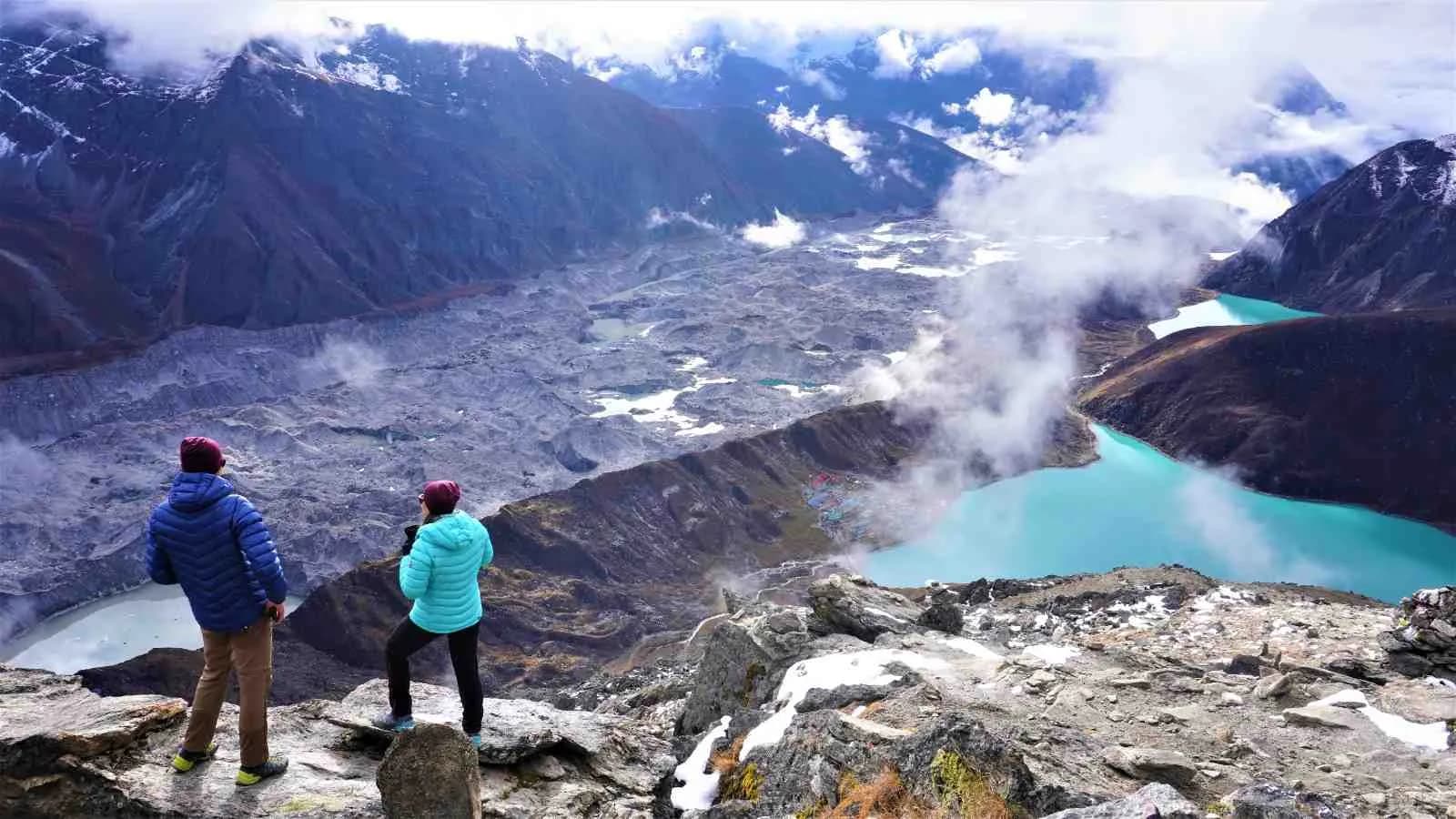
Easier day after yesterday's challenging pass crossing. Trek alongside the massive Ngozumpa Glacier - the longest glacier in the Himalayas at 36km. Pass the first and second Gokyo Lakes before reaching the stunning third lake (Dudh Pokhari) where Gokyo village sits. The turquoise waters against white peaks and glaciers create an unforgettable scene. Rest and prepare for tomorrow's early Gokyo Ri climb. The tranquility of Gokyo Valley is a beautiful contrast to the busier EBC route.
Pre-dawn wake-up (4:30 AM) for the steep climb to Gokyo Ri summit. Reach the top for spectacular sunrise views over four 8,000-meter peaks: Everest, Cho Oyu (6th highest), Lhotse (4th highest), and Makalu (5th highest) - an unparalleled panorama! The view also includes the entire Gokyo Lake system and Ngozumpa Glacier. Descend to Gokyo for breakfast. Optionally explore the fourth and fifth Gokyo Lakes. After lunch, begin descending through Machhermo to Dole, retracing earlier steps through alpine terrain.
Continue descending through rhododendron and juniper forests with views of Thamserku and Kantega peaks. The oxygen-rich air at lower elevations feels wonderful after days above 5,000m. Cross suspension bridges and pass through familiar villages. Arrive back in Namche Bazaar where you can celebrate your incredible achievement with hot showers, bakery treats, and perhaps a pizza! The bustling town feels luxurious after remote high camps.
Final trekking day descending through familiar trails and villages. Cross the Hillary Bridge and pass through Monjo, exiting Sagarmatha National Park. Follow the Dudh Koshi River back to Lukla through forests and farmland. The last steep climb into Lukla rewards you with views of the town and airstrip. Celebrate the successful completion of your epic EBC-Gokyo adventure with your guide and porter crew over a special dinner.
Catch your morning flight back to Kathmandu with final aerial views of the Himalayas you've just trekked through. Transfer to your hotel. Free afternoon for souvenir shopping in Thamel, massage, relaxation, or celebrating with fellow trekkers. Optional farewell dinner in the evening to share stories and photos of your incredible journey.
Why This Trek?
The Everest Base Camp Gokyo Lakes Trek is the ultimate comprehensive journey through the Khumbu region, combining the iconic prestige of reaching Everest Base Camp with the pristine beauty of the turquoise Gokyo Lakes. This trek delivers the complete Everest experience: standing at the foot of the world's highest mountain, summiting Kala Patthar for the best Everest views, crossing the challenging Cho La Pass for true adventure, witnessing the stunning Gokyo Lakes, and climbing Gokyo Ri for panoramic views of four 8,000-meter peaks. You'll trek alongside massive glaciers, through authentic Sherpa villages, past ancient monasteries, and experience the full spectrum of Himalayan landscapes from lush forests to barren high-altitude terrain. This is a once-in-a-lifetime adventure that showcases the very best of the Everest region in one epic 16-day journey.
Ready to experience the ultimate Everest adventure? Book your EBC Gokyo Lakes Trek today and discover why this is considered one of the world's greatest high-altitude treks. Combine two classic routes into one unforgettable journey that few trekkers complete. Whether you're drawn to the challenge of Cho La Pass, the beauty of turquoise Gokyo Lakes, the prestige of Everest Base Camp, or the panoramic mountain views from both Kala Patthar and Gokyo Ri, this trek delivers it all. Contact us now to start planning your comprehensive Everest expedition with our expert guides who specialize in this demanding but incredibly rewarding route. Adventure awaits!
Trek Difficulty
The Everest Base Camp Gokyo Lakes Trek is rated strenuous, requiring excellent physical fitness, previous high-altitude trekking experience (ideally above 4,000m), and strong mental determination. This trek combines the challenges of both EBC and Gokyo routes plus the technical Cho La Pass crossing. It's significantly more demanding than doing either route alone. Not recommended for first-time trekkers or those without proven high-altitude experience.
Physical Fitness
Superior fitness is essential for this demanding trek. You must be capable of trekking 6-8 hours daily with a daypack on steep, rocky terrain, often at altitudes above 5,000m. Two challenging summit days (Kala Patthar and Gokyo Ri) plus the technical Cho La Pass crossing require strong legs, endurance, and cardiovascular fitness. Recommended preparation: 3 months of intensive training including cardio (running, cycling, swimming) 4-5 times weekly, strength training focusing on legs and core, and practice hikes with elevation gain carrying 8-10kg. Stair climbing with weighted pack is excellent preparation. Previous multi-day trekking experience highly recommended.
Altitude Sickness
Altitude is the primary challenge with three nights above 5,000m at Gorak Shep and Gokyo, plus multiple days above 4,500m. You'll cross two passes above 5,300m. Acute Mountain Sickness (AMS) risk is significant. The itinerary includes two critical acclimatization days, but individual responses vary greatly. Essential precautions: ascend slowly following the itinerary, stay hydrated (4+ liters daily), avoid alcohol and sleeping pills, recognize AMS symptoms early (headache, nausea, dizziness, extreme fatigue, loss of appetite), inform your guide immediately if symptomatic, never ascend with worsening symptoms. Consider Diamox (consult your doctor). Guides carry emergency oxygen and pulse oximeters. Descent is the only cure for severe AMS - your safety takes priority over summit goals.
Preparation
Begin serious training 3-4 months before departure. Build cardiovascular endurance progressively - start with 30-minute sessions, increase to 60-90 minutes. Include high-intensity interval training. Practice long hikes (6-8 hours) with weighted pack on steep terrain. Strengthen legs, core, and ankles (prevents injuries). Mental preparation is equally crucial - research the challenges, visualize success, prepare for discomfort. Get comprehensive medical checkup including cardiac stress test if over 50. Consider altitude training if available in your area. Practice using trekking poles efficiently. Break in your boots thoroughly (150+ km). If possible, complete a "practice trek" like Annapurna Base Camp or Langtang to confirm your altitude response and fitness level.
Cost & Budgeting
Budget overview
The Everest Base Camp Gokyo Lakes Trek typically costs $1,600 to $4,000+ per person depending on group size, service level, guide experience, and personal expenses. This combined trek is more expensive than standard EBC due to longer duration, specialized guides for pass crossing, and additional logistics.
Estimated cost breakdown
Saving tips
Join organized group treks to share guide and porter costs (can save 25-30%). Trek in shoulder seasons (late April or late October) for potential 10-15% discounts. Bring your own gear (sleeping bag, down jacket, trekking poles) to avoid rental fees ($150+ savings). Purchase water purification tablets and high-energy snacks in Kathmandu where prices are 50% lower. Book directly with established local operators. Negotiate for longer treks. However, DO NOT compromise on guide quality - experienced guides familiar with Cho La Pass crossing are essential for safety and success. Budget an extra $50-100 for contingency in case of flight delays.
Best Time to Trek
The best time for the EBC Gokyo Lakes Trek is late spring (April-May) and autumn (October-November) when weather is most stable and the Cho La Pass is safest to cross. Pass conditions are critical - avoid monsoon and deep winter.
Spring
Spring (April to May) offers increasingly stable weather, warming temperatures, and blooming rhododendrons at lower elevations. April can still have snow on Cho La Pass (adding beauty but requiring caution). Late April through May provides the most reliable conditions for pass crossing. Excellent mountain visibility. Busier than shoulder seasons but still reasonable on the Gokyo side. Daytime temperatures: 10-15°C at Namche, 0-5°C at Gorak Shep/Gokyo. Snow on Cho La Pass usually firm in mornings. Late May can be warmer but may see early monsoon clouds.
Autumn
Autumn (October to mid-November) is the most popular season with crystal-clear skies, stable weather, and excellent visibility. October offers comfortable temperatures and spectacular views - ideal for photography. Cho La Pass conditions generally excellent in October. Early November is colder but still very good. This is peak trekking season so EBC route portions are busy (but Gokyo Valley remains quieter). Daytime temperatures: 8-15°C at Namche, -5 to 5°C at high camps. Night temperatures drop significantly (-10 to -15°C at Gorak Shep/Gokyo). October is optimal for this trek.
Monsoon
Monsoon (June to September) is NOT recommended for this trek. Heavy rains create extremely dangerous conditions on Cho La Pass with high avalanche risk, glacier sections become treacherous with hidden crevasses, views are obscured by clouds, leeches below 3,000m, frequent landslides, and flight delays/cancellations to Lukla are common. The pass crossing can be impossible. Only very experienced mountaineers should even consider this trek during monsoon, and most agencies won't operate it.
Winter
Winter (December to March) is very challenging and potentially dangerous. Deep snow makes Cho La Pass extremely difficult or impassable without serious mountaineering equipment and experience. Temperatures plunge to -20°C or lower at night at Gorak Shep and Gokyo. High risk of frostbite. Many teahouses at higher elevations close. However, clear skies offer spectacular visibility. Only for highly experienced winter trekkers with proper gear and guides. Not recommended for most trekkers. If attempting winter, late February/early March is slightly better than December/January.
Himalayan weather is unpredictable even in optimal seasons. Spring typically sees clear mornings with afternoon clouds developing. Autumn usually offers all-day clear weather. Cho La Pass weather can change rapidly - your guide monitors forecasts and may adjust timing. Be prepared for sudden storms, wind, and temperature drops. Temperatures vary dramatically: comfortable at lower elevations (10-15°C daytime), very cold at passes and high camps (-15 to -20°C at night). Wind chill factor is significant on exposed ridges and passes.
Choose October for the absolute best weather stability, clearest skies, and optimal Cho La Pass conditions - ideal for photography and highest success rates. Choose late April/May for warmer temperatures, blooming rhododendrons, and fewer crowds. Early November is possible but expect colder conditions and higher winds. Avoid monsoon completely due to dangerous pass conditions. Only attempt winter if you have serious mountaineering experience, proper equipment, and accept significant risks. Always build 2-3 contingency days into your schedule for potential weather delays on Cho La Pass.
Permits & Regulations
Overview
The Everest Base Camp Gokyo Lakes Trek requires the same two permits as standard Everest Base Camp trek. Both EBC and Gokyo lie within Sagarmatha National Park and Khumbu Pasang Lhamu Rural Municipality jurisdiction.
Sagarmatha National Park Entry Permit
Required for all trekking within Sagarmatha National Park, a UNESCO World Heritage Site established in 1976. The park encompasses the entire Everest region including EBC, Gokyo Valley, and all surrounding areas. Permit fees support conservation efforts, wildlife protection (including endangered species like snow leopard, red panda, and musk deer), trail maintenance, and park infrastructure. Cost: NPR 3,000 (approximately $30 USD) for foreigners, NPR 1,500 for SAARC nationals.
Khumbu Pasang Lhamu Rural Municipality Permit
Local area permit required for the Khumbu region outside the core national park areas. Named after Pasang Lhamu Sherpa, the first Nepali woman to summit Everest. Funds support community development projects, local schools, health posts, infrastructure improvements, and support for Sherpa communities. This permit was introduced in 2018. Cost: NPR 2,000 (approximately $20 USD) per person.
How to obtain
The Sagarmatha National Park permit can be obtained in Kathmandu at the Nepal Tourism Board office in Bhrikutimandap (bring 2 passport-size photos and passport copy) or at the park entrance gate in Monjo during the trek. The Khumbu Pasang Lhamu permit must be obtained in Lukla before starting the trek - there's a permit office near the airport. Most organized trek operators arrange both permits as part of their package (highly recommended as it saves time, hassle, and ensures correct documentation). Keep permits accessible as checkpoints verify them multiple times throughout the route. Digital copies on your phone are useful backups.
Accommodation & Food
Overview
Accommodation on the EBC Gokyo Lakes Trek consists of teahouses - basic lodges run by Sherpa families. The EBC route has well-established teahouses with better facilities, while the Gokyo Valley offers simpler but adequate lodges. Quality varies with altitude and remoteness.
Teahouses
Teahouses provide simple twin-bedded rooms with basic mattresses, pillows, and blankets. Rooms are unheated (dining areas have stoves). Main route locations (Namche, Tengboche, Dingboche) offer better facilities: hot showers available ($3-5), western toilets, charging stations ($2-4 per hour), sometimes WiFi ($3-5). At high camps (Gorak Shep) and remote locations (Dzongla, Thagnak), facilities are very basic: squat toilets only, no showers, limited charging. Gokyo village has decent facilities. Cho La Pass requires staying in very basic lodges. Bring your own -15°C sleeping bag essential for warmth, hygiene, and backup if blankets insufficient. Some lodges provide sleeping bag rental but quality varies.
Food
Teahouse menus offer: Dal Bhat (rice and lentil soup with vegetables - unlimited refills, best nutrition), noodle soups, fried rice, momos (Tibetan dumplings), Tibetan bread, pasta, and even pizza at lower elevations. Western breakfast options include porridge, eggs, pancakes, muesli. Menu variety and quality decrease at higher altitudes. Gorak Shep and Gokyo have limited menus. Food prices increase significantly with elevation (Dal Bhat: $5 in Lukla, $10 in Gorak Shep, $12 in Gokyo). Fresh vegetables become scarce above 4,500m. Vegetarian food is widely available and recommended at high altitude for easier digestion.
Order Dal Bhat for best nutrition and value (unlimited refills provide essential calories for long trekking days). Drink 4+ liters of fluids daily - garlic soup and ginger tea excellent for altitude. Hot lemon drinks help with hydration. Avoid alcohol above 3,500m as it worsens dehydration and AMS risk. Stick to hot, freshly cooked meals to prevent stomach issues. Carry high-energy snacks (chocolate, energy bars, nuts, dried fruit) from Kathmandu for trail munching and emergencies. Boil or purify all drinking water - never drink untreated water. Budget $30-40 per day for food at high elevations, $25-30 at lower elevations. Dining areas are social hubs where trekkers share experiences - enjoy the camaraderie!
Packing List
Essential gear
Technical Clothing
Thermal base layers (3 sets - merino wool recommended), mid-layer fleece, down jacket (-20°C rated essential), waterproof shell jacket (Gore-Tex or similar), waterproof pants, trekking pants (2), warm insulated pants, warm wool hat, sun hat with neck protection, balaclava (for passes), liner gloves, warm gloves, waterproof mittens (essential for Cho La), buff/neck gaiter (2)
Footwear
High-quality waterproof trekking boots (fully broken in - no new boots!), gaiters (essential for Cho La Pass), camp shoes/sandals, warm trekking socks (6 pairs - wool or synthetic), sock liners
Technical Gear
4-season sleeping bag (-15°C to -20°C rating), sleeping bag liner, large backpack (70L for porter), daypack (35-40L), trekking poles (essential - adjustable), headlamp with extra batteries, high-quality sunglasses (category 4 glacier glasses), ski goggles (for Cho La in wind), crampons (may be needed for Cho La - guide will advise), ice axe (optional, guide decides based on conditions)
Safety & Personal Items
SPF 50+ sunscreen, SPF 30+ lip balm (UV protection), comprehensive first-aid kit, altitude sickness medication (Diamox - prescription), pain relievers (ibuprofen, acetaminophen), blister treatment (Compeed), antiseptic, personal prescription medications, hand sanitizer, wet wipes, toilet paper, quick-dry towel, water purification tablets AND/OR filter, 2-3 liter water bottles or hydration system
Electronics & Documents
Camera with extra batteries and memory cards, smartphone, power bank (20,000+ mAh recommended), universal adapter, headphones, passport with 2-3 photocopies, travel insurance documents (with altitude coverage proof), permits, emergency contact information, cash (USD 200-300 for emergencies, NPR for daily expenses), credit card (backup)
Optional
Book/Kindle for rest days, journal and pen for documenting experiences, playing cards for teahouse evenings, lightweight binoculars (great for spotting wildlife and viewing distant peaks), portable solar charger, thermos flask for hot drinks on trail, down pants (winter trekking), chemical hand warmers (for Cho La Pass morning), altitude/weather watch, GPS device or app, satellite communicator (InReach or similar), extra camera lenses, drone (check current regulations and restrictions)
What not to pack
Heavy jeans (cotton dangerous in cold/wet), excessive clothing changes (laundry available at major villages), hair dryer, electric shaver, hardcover books (bring e-reader), valuables/expensive jewelry, laptop (unless essential), single-use plastics (environmental concern), non-essential electronics, fresh food from Kathmandu (heavy, available on trail), too many toiletries (basics available), items "just in case" that add weight. Remember: every extra kilogram you carry at 5,000m+ feels like 5kg. Pack smart, not heavy. Your porter has a 20kg limit for two trekkers.
Guides & Support
Benefits of a guide
An experienced, certified guide is STRONGLY RECOMMENDED (essentially mandatory) for the EBC Gokyo Lakes Trek, especially due to Cho La Pass. Benefits include: expert navigation across challenging Cho La Pass (route can be unclear in snow/cloud), glacier crossing safety assessment and guidance, altitude sickness monitoring and early intervention, emergency evacuation coordination and communication, weather assessment for safe pass crossing timing, cultural interpretation and language translation, accommodation and meal arrangements, morale support during difficult days, knowledge of alternative routes if conditions are poor, summit timing optimization (Kala Patthar and Gokyo Ri). Guides carry emergency oxygen, first-aid supplies, and have communication equipment. They can literally save your life in emergencies and significantly increase your success rate.
How to choose
For this combined trek, choose guides with: government certification (mandatory license verification), extensive experience on BOTH EBC and Gokyo routes (5+ years preferred, 10+ crossings of Cho La Pass), wilderness first-aid certification (WFR or WEMT level), high-altitude rescue training, excellent English communication (critical for safety discussions), strong physical fitness (must be able to assist struggling trekkers), excellent client references specifically for this route, knowledge of Cho La Pass conditions across seasons. Ask potential guides about: their emergency protocols, maximum group sizes they'll guide (smaller better - max 8-10), oxygen availability and usage protocols, satellite phone or communication device, insurance coverage for themselves and staff, porter welfare standards and fair wage practices. Book through reputable agencies with proven track records on this route. Don't choose based on price alone - a more expensive experienced guide is worth every dollar for safety, success, and experience quality. Verify guides have actually crossed Cho La multiple times (some EBC guides haven't done the Gokyo route).