Everest (Khumbu)
Everest Base Camp Trek - 14 Days

- DestinationNepal
- RegionEverest (Khumbu)
- Duration14 Days
- TransportationFlight
- Max Height5,545 m / 18,192 ft
- ActivitiesTrekking
- Trip GradeStrenuous
- AccommodationTea House
- Group SizeMin. 1 Pax
- Best SeasonSep-Nov & Mar-May
- MealsB.L.D.
- Start / End PointLukla
Introduction
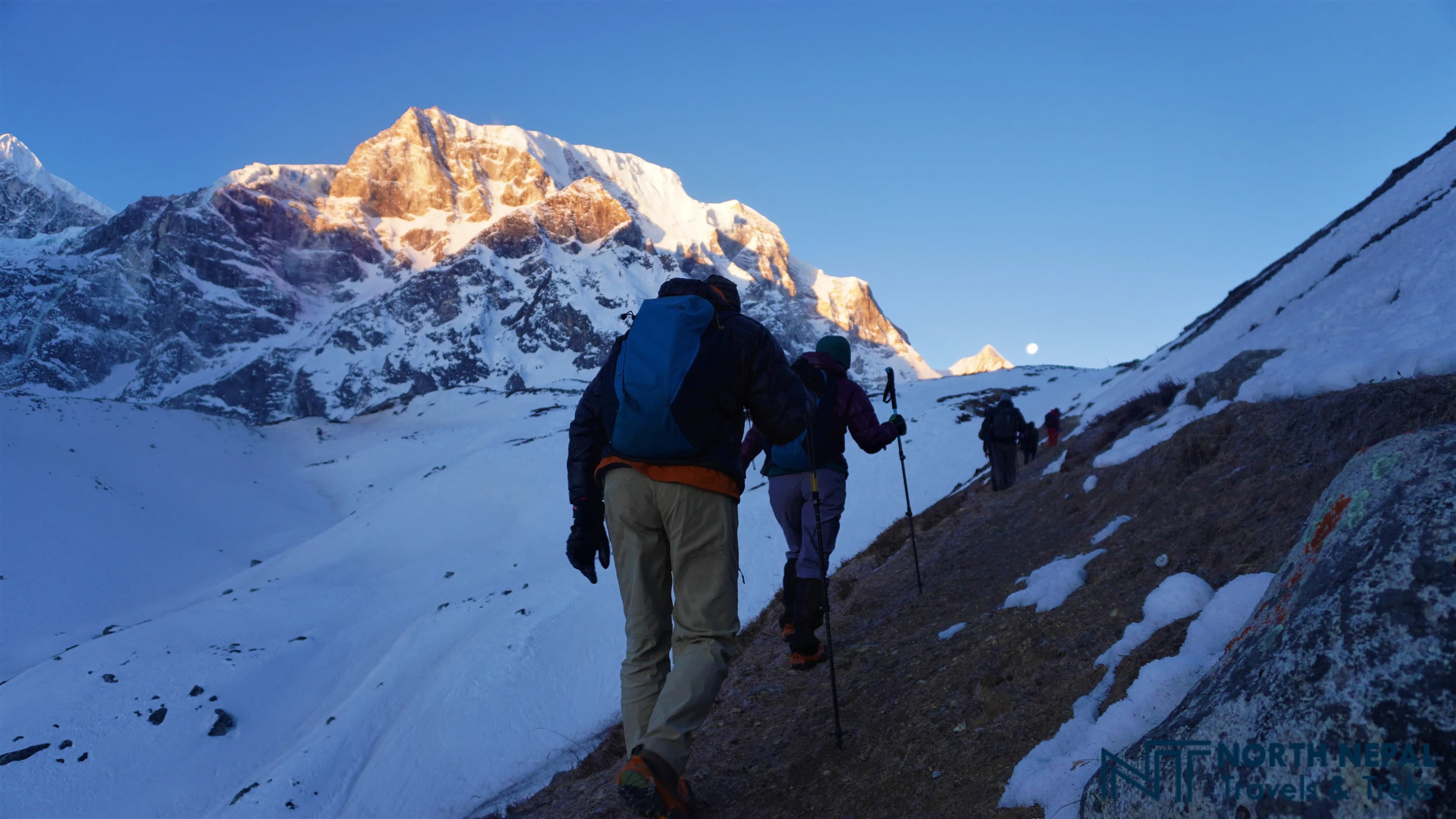
In an ideal world, most of us would love to stand on the top of the world, 8,848m high on Mt Everest. Realistically, most of us will not be able to achieve this! But if you have good fitness and strong determination, you can trek it to Everest Base Camp. And between you and me, the views of Everest from Kalapatthar are the most spectacular you can get without having to spend weeks trudging up to the summit!
Everest Base Camp Trek Highlights
- Stand at the base of Mt Everest Summit in awe of its majesty and size
- Witness the sun setting over Everest from Kalapatthar, known as the Everest viewpoint
- Fly into the high-altitude Hilary Tenzing Airport at Lukla, an experience in itself
- Visit Sherpa villages with their Tibetan-like peoples and yak herders
- Stay in Namche Bazaar, the gateway to Everest Base Camp
- Be stunned by the chilling beauty of the Khumbu Glacier and Khumbu Icefalls
- Visit Tengboche Monastery with its strong spiritual connection
- Pass through Sagarmatha National Park with its unique flora and fauna
- Follow the footsteps of Sir Edmund Hillary and many other famous mountaineers
Why Book the Everest Base Camp Trek with Us?
- Expert guides with 6-7 years of experience in the Everest region
- 100% Guaranteed Trip Departures - all listed departures are confirmed
- Group Visibility - know your trekking group in advance
- Personalized Trip Briefing in Kathmandu covering itinerary and safety
- 24/7 Customer Care via WhatsApp and email
- Private Airport Transfers included
- Included Gear - sleeping bags and down jackets provided
- Complimentary Duffle Bag when booking with a porter
- Easy Booking Process with secure online payment
Everest Base Camp Trek Itinerary
Arrive at Tribhuvan International Airport in Kathmandu. Our team will greet you and transfer you to your hotel. In the evening, attend a detailed trek briefing covering the itinerary, altitude precautions, and final preparations.
Enjoy a scenic mountain flight to Lukla, the gateway to Everest. Begin your trek with a gentle walk through Sherpa villages, prayer wheels, and suspension bridges along the Dudh Koshi River.
Cross several suspension bridges, including the famous Hillary Bridge. Enter Sagarmatha National Park and gradually ascend to Namche Bazaar, the vibrant Sherpa hub of the Khumbu region.
To adapt to the altitude, take a short hike to the Everest View Hotel (3,880m) for stunning views of Everest, Lhotse, and Ama Dablam. Explore Namche's market, cafes, and Sherpa Culture Museum.
Follow a scenic trail with breathtaking mountain views before descending to the Dudh Koshi River and climbing to Tengboche. Visit the famous Tengboche Monastery, the largest in the region.
Descend through rhododendron forests and cross the Imja River. Gradually ascend to Dingboche, a beautiful village surrounded by stone walls and towering Himalayan peaks.
Hike to Nangkartshang Peak (5,083m) or nearby ridges for panoramic views of Makalu, Lhotse, and Ama Dablam. This extra day helps your body adjust to higher altitude.
Trek along a gradual path to Dughla before climbing steeply to Thukla Pass, where memorials honor climbers who lost their lives on Everest. Continue to Lobuche with stunning glacier views.
Walk alongside the Khumbu Glacier to Gorak Shep. After a short rest, continue to Everest Base Camp. Stand at the foot of the world's highest mountain and enjoy this once-in-a-lifetime achievement. Return to Gorak Shep for the night.
Wake early for a sunrise hike to Kala Patthar - the best viewpoint of Mount Everest. After enjoying breathtaking panoramic views, descend to Pheriche.
Retrace your steps through Pangboche and Tengboche. The descent becomes easier as oxygen levels increase. Arrive back in Namche Bazaar.
Descend through forests and cross suspension bridges back to Lukla. Celebrate the completion of your trek with your guides and porters.
Take an early morning flight back to Kathmandu. Transfer to your hotel and enjoy a free day for shopping or relaxation.
After breakfast, transfer to the airport for your departure flight, taking unforgettable memories of the Everest Base Camp Trek with you.
Why This Trek?
The Everest Base Camp Trek is more than just a hike; it's a transformative experience that combines physical challenge with cultural immersion and breathtaking scenery. Witnessing the majesty of Mount Everest up close is a once-in-a-lifetime adventure. From the warm hospitality of the Sherpa people to the awe-inspiring landscapes, every moment is unforgettable.
Ready to embark on the adventure of a lifetime? Book your Everest Base Camp Trek package today and experience the magic of the Everest region for yourself. Whether you're an experienced trekker or a beginner, our expertly crafted itinerary ensures a safe, comfortable, and unforgettable journey to Everest Base Camp!
Trek Difficulty
The Everest Base Camp Trek is generally considered a moderate to strenuous trek, primarily due to the altitude and duration. Understanding the difficulty level is crucial for proper preparation.
Physical Fitness
While the trek doesn't require technical climbing skills, a good level of physical fitness is essential. You'll be trekking for several hours each day, often uphill, carrying a backpack. Regular cardiovascular exercises such as hiking, running, and cycling are recommended. Strength training, focusing on your legs and core, is also highly beneficial.
Altitude Sickness
Altitude sickness is a serious concern on the Everest Base Camp Trek. The trek ascends to 5,364 meters (17,598 feet) at base camp. Proper acclimatization, staying hydrated, and avoiding alcohol are key to preventing altitude sickness. Consult your doctor about altitude sickness medication before your trek.
Preparation
Begin regular exercise at least a couple of months before your trip. Practice hiking with a weighted backpack to simulate trek conditions. Consider spending time at higher altitudes before the trek to help your body acclimatize. Get enough sleep and maintain a healthy diet in the weeks leading up to your journey.
Cost & Budgeting
Budget overview
The overall Everest Base Camp Trek cost typically ranges from $1,200 to $5,000 per person, depending on your choices such as guides, porters, accommodation type, and spending habits.
Estimated cost breakdown
Saving tips
Trek during shoulder seasons (spring and autumn) for lower prices. Join a group trek to share costs. Pack your own snacks and water purification tablets. Negotiate prices in local markets. Travel insurance is a must-have.
Best Time to Trek
The best time for the Everest Base Camp Trek is during spring (March to May) and autumn (September to November). These periods offer favorable weather conditions, clear skies, and moderate temperatures.
Spring
Spring (March to May) offers mild temperatures, blooming rhododendrons, and clear views of Mount Everest.
Autumn
Autumn (September to November) provides stable weather, crisp air, and excellent visibility.
Monsoon
The monsoon season (June to August) brings heavy rainfall, making trails slippery and views obscured.
Winter
Winter (December to February) is extremely cold, with temperatures often dropping below freezing.
During spring and autumn, daytime temperatures typically range from 10°C to 20°C (50°F to 68°F) at lower altitudes and can drop below freezing at Everest Base Camp. Weather can change rapidly, so be prepared for all conditions.
If you prefer milder temperatures and blooming landscapes, choose spring. For stable weather and clear views, autumn is ideal. Avoid the monsoon season due to high risk of landslides and poor visibility.
Permits & Regulations
Overview
Securing necessary permits is crucial for your Everest Base Camp trek. These permits legalize your presence and contribute to conservation and maintenance of Sagarmatha National Park.
Sagarmatha National Park Entry Permit
Required to enter and trek within the national park, which encompasses much of the Everest trek route
Local Area Permit (Khumbu Pasang Lhamu Rural Municipality Permit)
Required for the region outside the national park
How to obtain
You can obtain the Sagarmatha National Park Entry Permit in Kathmandu or at the park entrance in Monjo, near Lukla. The Local Area Permit can be obtained in Lukla. It is often more convenient to obtain permits through your trekking agency as part of a package. Ensure you have your passport and necessary documents when applying.
Accommodation & Food
Overview
During your Everest Base Camp trek, you'll find a variety of accommodation and food options. Understanding what to expect will help you plan and enjoy your trekking experience.
Teahouses
Accommodation primarily consists of teahouses - small lodges run by local families. These offer basic but comfortable rooms, usually with twin beds and blankets. As you ascend higher, facilities become more basic, but Sherpa hospitality remains constant. Carrying your own sleeping bag is advisable for extra warmth and hygiene.
Food
Food options are surprisingly diverse, with teahouses offering a range of dishes for international trekkers. Popular choices include dal bhat (rice and lentil soup), noodles, pasta, and even pizza. As you gain altitude, prices increase and availability may decrease. Stay hydrated and avoid excessive meat at higher altitudes.
At high altitudes, eat slowly and avoid overeating, as digestion can be slower. Stick to freshly cooked meals and avoid foods stored for long periods. Stay hydrated with boiled or purified water. Consider carrying energy bars or snacks for quick sustenance.
Packing List
Essential gear
Clothing
Warm layers (thermal underwear, fleece jackets, down jacket), waterproof and windproof outer layers
Footwear
Sturdy pair of trekking boots
Equipment
Good quality sleeping bag, backpack (50-70 liters), trekking poles, headlamp, sunglasses, sunscreen, first-aid kit with medications
Optional
Consider bringing a camera to capture stunning views. A portable power bank for charging devices. A good book or journal for downtime. Binoculars can enhance your view of Mount Everest.
What not to pack
Avoid heavy and bulky items you can easily purchase in Kathmandu or Lukla. Leave behind valuables or expensive jewelry. Do not pack single-use plastics and be mindful of the environment. Pack light to enjoy your trek.
Guides & Support
Benefits of a guide
A local guide enhances the trekking experience by managing logistics, ensuring safety, and enriching your understanding of Sherpa culture. Guides handle permits, accommodation, and navigation, allowing you to focus on enjoying the journey.
How to choose
Look for a guide with extensive experience in the Everest region, proper certifications, and excellent communication skills. A good guide should be knowledgeable about altitude sickness, first aid, and emergency procedures. Read reviews, ask for references, and meet with potential guides before deciding.