Everest (Khumbu)
Everest Three Passes Trek - 18 Days

- DestinationNepal
- RegionEverest (Khumbu)
- Duration18 Days
- TransportationFlight
- Max Height5,535 m / 18,159 ft
- ActivitiesHigh-Altitude Trekking, Mountaineering
- Trip GradeStrenuous to Challenging
- AccommodationTea House
- Group SizeMin. 2 Pax
- Best SeasonApr-May & Oct-Nov
- MealsB.L.D.
- Start / End PointLukla
Introduction
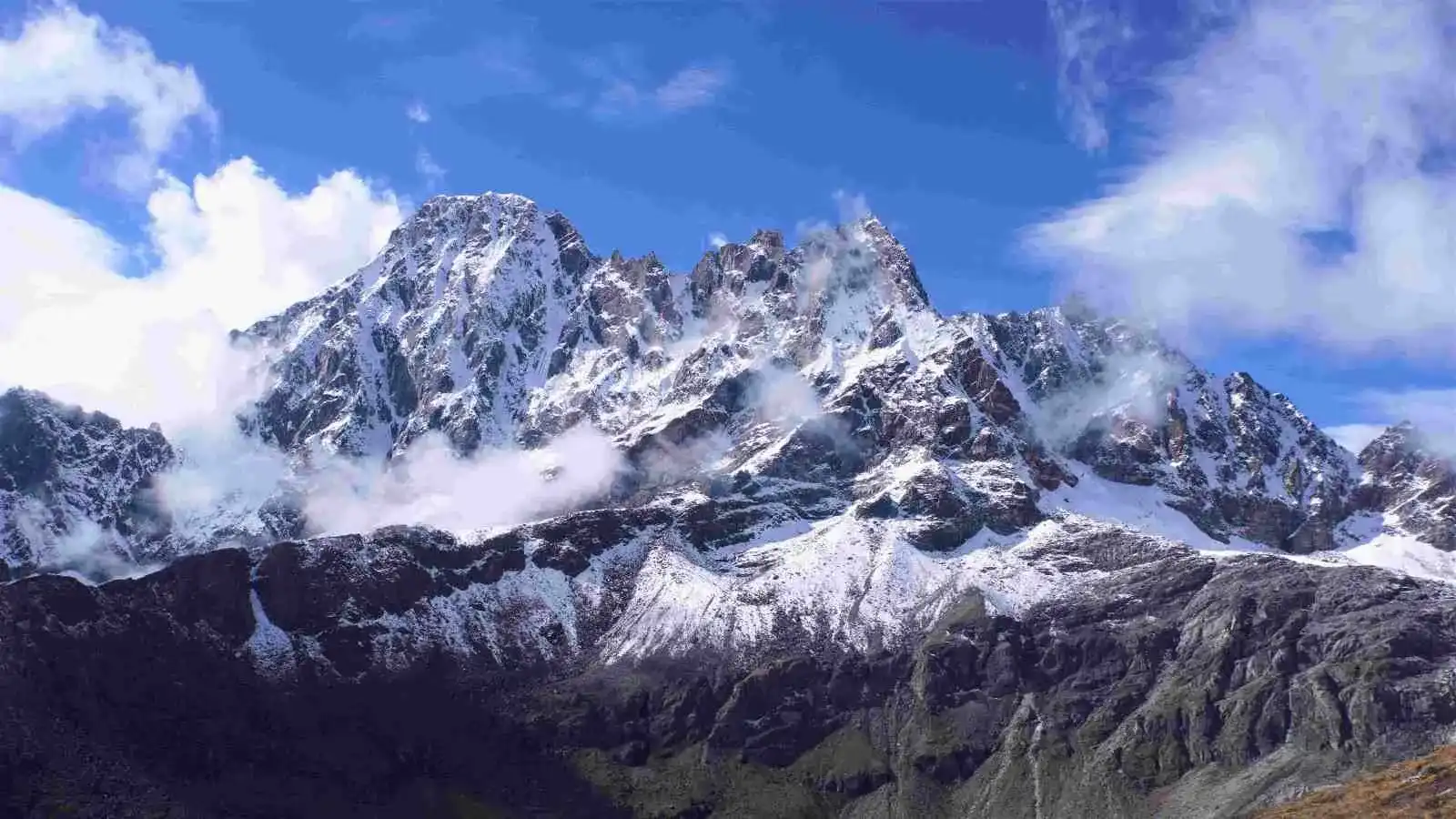
The Everest Three Passes Trek is the ultimate high-altitude adventure in the Khumbu region, challenging trekkers to cross three spectacular mountain passes above 5,000 meters: Renjo La Pass (5,360m), Cho La Pass (5,420m), and Kongma La Pass (5,535m). This epic 18-day journey combines the best of the Everest region - Everest Base Camp, Gokyo Lakes, and Kala Patthar - into one comprehensive circuit. Experience dramatic glacier crossings, remote valleys, stunning turquoise lakes, and unparalleled mountain panoramas including Everest, Lhotse, Makalu, and Cho Oyu. This is Nepal's most demanding teahouse trek, reserved for experienced trekkers seeking the adventure of a lifetime.
Everest Three Passes Trek Highlights
- Cross three high mountain passes: Renjo La (5,360m), Cho La (5,420m), and Kongma La (5,535m)
- Reach Everest Base Camp and climb Kala Patthar for iconic Everest views
- Witness the stunning turquoise Gokyo Lakes and climb Gokyo Ri (5,357m)
- Trek the complete Everest circuit covering all major highlights in one journey
- Navigate challenging glacier terrain and experience true mountaineering adventure
- Explore remote valleys and villages rarely visited by standard EBC trekkers
- See panoramic views of four 8,000m peaks: Everest, Lhotse, Makalu, and Cho Oyu
- Experience the thrill of high-altitude pass crossings with prayer flag-draped summits
- Visit Sherpa villages, monasteries, and immerse in authentic Himalayan culture
Why Book the Everest Three Passes Trek with Us?
- Expert high-altitude guides with extensive Three Passes experience (10+ years)
- Small group sizes (max 8 trekkers) for safety and flexibility
- Comprehensive pre-trek training on glacier walking and pass crossing techniques
- Emergency oxygen and complete first-aid kit included
- Satellite phone for remote sections where phone coverage is unavailable
- Flexible itinerary with extra acclimatization days built in
- Weather monitoring and alternative route planning
- Porter support to carry heavy loads across challenging passes
- Helicopter evacuation insurance for all staff
- 24/7 emergency support with Kathmandu base office
Everest Three Passes Trek Itinerary
Arrive at Tribhuvan International Airport where our team greets you with traditional khata scarves. Transfer to hotel in Thamel. Evening comprehensive briefing covering the challenging Three Passes route, safety protocols, equipment checks, and altitude management strategies. This is crucial preparation for the demanding journey ahead.
Thrilling early morning flight to Lukla (2,840m), landing at one of the world's most dramatic airports. Meet your full trekking crew including experienced high-altitude guides and porters. Begin trekking with a gentle descent through Chaurikharka village, following the Dudh Koshi River valley to Phakding.
Enter Sagarmatha National Park at Monjo checkpoint. Cross multiple suspension bridges including the famous Hillary Bridge high above the roaring Dudh Koshi. Steep climb through pine forests offers first glimpses of Everest and Lhotse. Arrive at Namche Bazaar, the bustling Sherpa capital and gateway to high Khumbu.
Critical acclimatization day. Optional hike to Everest View Hotel (3,880m) for stunning mountain panoramas or visit Khumjung village to see Hillary School and monastery with alleged yeti scalp. Explore Namche's Saturday market, bakeries, gear shops, and Sherpa Culture Museum. Your guide will check everyone's health and readiness.
Trek along scenic ridges with spectacular views of Everest, Ama Dablam, Thamserku, and Nuptse. Descend to Dudh Koshi River then climb steeply through rhododendron forests to Tengboche. Visit the famous Tengboche Monastery, the spiritual heart of the Khumbu, where monks perform evening prayers. Dramatic sunset views over Everest and Ama Dablam.
Descend through forest to Debuche, cross the Imja River, and pass through Pangboche village with its ancient monastery. Gradual ascent to Dingboche, a beautiful summer settlement surrounded by stone walls protecting barley fields. Stunning close-up views of Lhotse's massive south wall and Island Peak.
Essential second acclimatization day before tackling the high passes. Hike to Nangkartshang Peak (5,083m) for incredible 360-degree panoramas of Makalu, Lhotse, Ama Dablam, and the entire Imja Valley. This challenging but rewarding hike prepares your body for higher altitudes. Return to Dingboche for rest and hydration.
Short but important trek to Chhukung village, positioned beneath the towering peaks of Lhotse, Nuptse, and Island Peak. This shorter day allows further acclimatization before attempting Kongma La Pass. Optional afternoon hike to Chhukung Ri (5,546m) for those feeling strong - spectacular views of Island Peak and the Lhotse-Nuptse wall.
Early alpine start for the challenging Kongma La Pass crossing - the highest of the three passes. Steep, rocky ascent with some glacier walking and loose scree. Prayer flags mark the windswept summit with breathtaking views of Makalu and the Khumbu region. Long descent on rocky terrain past frozen lakes to Lobuche. This demanding day tests your endurance and acclimatization.
Trek alongside the Khumbu Glacier with stunning ice formations and mountain views. Reach Gorak Shep, the last settlement before EBC. Drop your bags and continue to Everest Base Camp through rocky moraine and glacier terrain. Stand at the foot of the world's highest mountain, surrounded by prayer flags and the Khumbu Icefall. Return to Gorak Shep for the night.
Pre-dawn wake-up (4 AM) for the steep climb to Kala Patthar summit. Witness magical sunrise over Mount Everest with unobstructed close-up views - one of the best Everest viewpoints in the world. See Everest, Nuptse, Changtse, and the entire Khumbu region bathed in golden light. Descend to Gorak Shep for breakfast, then trek to Dzongla village for the night.
Second major pass crossing! Early start for Cho La Pass, the most technical of the three passes. Initial steep climb on rocky terrain, then careful glacier crossing (crampons may be needed in snow season). Prayer flags mark the dramatic pass with stunning views. Long descent on loose scree and moraine to Thagnak village on the edge of the Ngozumpa Glacier. This is a challenging but incredibly rewarding day.
Relatively easy day trekking alongside the massive Ngozumpa Glacier - the longest glacier in the Himalayas. Pass the first and second Gokyo Lakes before reaching the stunning third lake (Dudh Pokhari) where Gokyo village sits. The turquoise waters against white peaks create an unforgettable scene. Rest and prepare for tomorrow's early climb.
Epic day! Pre-dawn ascent of Gokyo Ri (5,357m) for sunrise views over four 8,000m peaks: Everest, Cho Oyu, Lhotse, and Makalu - an unparalleled panorama. Descend to Gokyo for breakfast, then tackle the third pass - Renjo La. Steep climb followed by stunning views from the prayer flag-draped pass. Long descent to Marlung village. This is the most challenging day of the trek.
Descend through the beautiful Bhote Koshi valley passing through Thame village, famous for producing many Everest-summiting Sherpas. Gradual descent brings you back to Namche Bazaar where oxygen levels feel abundant after days at extreme altitude. Celebrate your incredible achievement with hot showers and perhaps pizza at a local bakery!
Final trekking day descending through familiar trails and villages. Cross multiple suspension bridges, pass through Monjo, and follow the Dudh Koshi River back to Lukla. The oxygen-rich air at lower elevation feels wonderful. Celebration dinner with your trekking crew sharing stories of your epic Three Passes adventure.
Catch morning flight back to Kathmandu with final aerial views of the Himalayas. Transfer to hotel. Free afternoon for souvenir shopping in Thamel, massage, or relaxation. Optional farewell dinner with your guide to celebrate completing one of the world's most challenging treks.
After breakfast, transfer to Tribhuvan International Airport for your departure flight. Take home incredible memories and photos from your Everest Three Passes adventure - an achievement few trekkers accomplish!
Why This Trek?
The Everest Three Passes Trek represents the ultimate Himalayan challenge for serious trekkers. This epic journey showcases the very best of the Khumbu region - Everest Base Camp, Kala Patthar, Gokyo Lakes, and Gokyo Ri - while adding the extraordinary adventure of crossing three spectacular high mountain passes. Standing atop windswept passes draped in prayer flags, surrounded by the world's highest peaks, is a transformative experience that pushes you beyond your limits and rewards you with memories that last a lifetime. The sense of accomplishment from completing this demanding circuit is unparalleled - you'll join an elite group of trekkers who've conquered one of the world's most challenging teahouse treks.
Ready to take on the ultimate Everest adventure? The Everest Three Passes Trek awaits those brave enough to accept the challenge. This isn't just a trek - it's a test of determination, endurance, and spirit that will change you forever. Book your Three Passes Trek expedition today with our expert high-altitude guides who have successfully led hundreds of trekkers across these magnificent passes. Whether you're an experienced trekker seeking your next great challenge or a mountain enthusiast wanting to push your limits, the Three Passes Trek delivers the adventure of a lifetime. Contact us now to start planning your epic Himalayan journey!
Trek Difficulty
The Everest Three Passes Trek is rated as strenuous to extremely challenging - it is the most difficult teahouse trek in Nepal. This trek requires excellent physical fitness, previous high-altitude trekking experience (ideally above 4,500m), strong mental determination, and ability to handle long, demanding days at extreme altitude. Not recommended for first-time trekkers or those without significant mountain experience.
Physical Fitness
Superior fitness is absolutely essential. You must be capable of trekking 7-9 hours daily carrying a daypack, often on steep, rocky terrain at altitudes above 5,000m. Three months minimum training required: intensive cardio (running, cycling, swimming), strength training (legs, core, upper body), and practice hikes with elevation gain. Stair climbing with weighted pack excellent preparation. Previous multi-day trekking experience mandatory.
Altitude Sickness
Altitude is the primary challenge with three pass crossings above 5,300m and multiple nights above 4,500m. Acute Mountain Sickness (AMS) risk is significant. The itinerary includes multiple acclimatization days, but individuals respond differently. Mandatory precautions: ascend slowly, stay hydrated (4+ liters daily), avoid alcohol, recognize AMS symptoms (headache, nausea, dizziness, fatigue). Carry Diamox (consult doctor). Guides carry emergency oxygen. Descent is the only cure for severe AMS - ego must not override safety.
Preparation
Begin serious training 3-4 months before departure. Build cardiovascular endurance with long runs, cycling, and swimming. Practice hiking steep trails with weighted pack (10-15kg) for 6-8 hours. Include high-altitude training if possible. Strengthen legs, core, and ankles to prevent injuries. Mental preparation equally important - research the challenges, visualize success, prepare for discomfort. Get comprehensive medical checkup. Practice using trekking poles. Break in your boots thoroughly (100+ km). Study basic glacier walking and crampon use if trekking in snow season.
Cost & Budgeting
Budget overview
The Everest Three Passes Trek cost typically ranges from $1,800 to $5,000+ per person depending on group size, service level, guide experience, and personal expenses. This trek is more expensive than standard EBC trek due to longer duration, specialized guides, and additional safety equipment required.
Estimated cost breakdown
Saving tips
Join organized group treks to share guide and porter costs significantly. Trek in shoulder seasons (late April or late October) for potential 10-15% discounts. Bring your own technical gear (crampons, down jacket, sleeping bag) to avoid rental fees. Purchase water purification tablets and high-energy snacks in Kathmandu. Book directly with established local operators. However, DO NOT compromise on guide quality or safety equipment for this challenging trek - experienced guides are worth the investment.
Best Time to Trek
The Everest Three Passes Trek requires optimal weather conditions. Best seasons are late spring (April-May) and autumn (October-November). Pass crossings can be dangerous or impossible in poor weather. Avoid monsoon and deep winter.
Spring
Spring (late April to May) offers increasingly stable weather, warmer temperatures, and blooming rhododendrons at lower elevations. May has the most stable weather but can be warmer at lower altitudes. Snow on passes is usually melted by late April. Excellent visibility. Busier season but still much quieter than standard EBC route. Daytime temperatures: 5-15°C at Namche, -5 to 5°C at pass altitudes.
Autumn
Autumn (October to mid-November) is the most popular season with crystal-clear skies, stable weather, and moderate temperatures. October offers the best visibility and comfortable daytime temperatures. Early November possible but colder. Night temperatures drop significantly (as low as -15°C at high camps). This is peak season but Three Passes route remains relatively uncrowded compared to standard EBC.
Monsoon
Monsoon (June to September) is NOT recommended for Three Passes Trek. Heavy rain creates dangerous conditions on passes, glacier sections become treacherous, and views are obscured by clouds. Landslide risk increases. Leeches below 3,000m. Flight delays to/from Lukla common. Only extremely experienced mountaineers should attempt this trek in monsoon.
Winter
Winter (December to March) is extremely challenging and potentially dangerous. Deep snow makes pass crossings very difficult or impossible without mountaineering equipment. Temperatures plunge to -20°C or lower at night. Many high-altitude teahouses close. Severe risk of frostbite. Only for experienced winter mountaineers with proper equipment and guides. Not recommended for most trekkers.
Weather in the Himalayas is unpredictable even in good seasons. Spring typically sees morning clear skies with afternoon clouds. Autumn usually offers all-day clear weather. Be prepared for sudden storms, snow, high winds on passes. Temperatures vary dramatically: comfortable at lower altitudes (10-15°C daytime), very cold at passes and high camps (-10 to -20°C at night). Wind chill factor significant.
Choose late April or May for warmer temperatures and stable weather if you don't mind potential afternoon clouds. Choose October for the absolute best visibility and weather stability - ideal for photography. Early November possible but expect colder conditions. Avoid monsoon completely. Only attempt winter if you have serious mountaineering experience and proper equipment. Always build in 2-3 contingency days for weather delays on passes.
Permits & Regulations
Overview
The Everest Three Passes Trek requires the same permits as standard Everest Base Camp trek. All three passes lie within Sagarmatha National Park and Khumbu Pasang Lhamu Rural Municipality jurisdiction.
Sagarmatha National Park Entry Permit
Required for all trekking within Sagarmatha National Park, a UNESCO World Heritage Site. Fees support conservation, trail maintenance, and wildlife protection in this pristine mountain environment. Cost: NPR 3,000 (approximately $30 USD) for foreigners, NPR 1,500 for SAARC nationals.
Khumbu Pasang Lhamu Rural Municipality Permit
Local area permit mandated by Khumbu region authorities. Funds support community development projects, local infrastructure, schools, and health posts in Sherpa villages. Cost: NPR 2,000 (approximately $20 USD) per person.
How to obtain
Sagarmatha National Park permit can be obtained in Kathmandu at Nepal Tourism Board office in Bhrikutimandap (bring 2 passport photos and passport copy) or at the park entrance gate in Monjo during the trek. Khumbu Pasang Lhamu permit must be obtained in Lukla before starting the trek. Most organized trek operators arrange both permits as part of their package - highly recommended as it saves time and hassle. Keep permits safe and accessible as checkpoints verify them multiple times along the route.
Accommodation & Food
Overview
Accommodation on the Everest Three Passes Trek consists of basic teahouses (lodge-style accommodation run by Sherpa families). Some sections of this trek pass through very remote areas with limited facilities. The circuit nature means you won't retrace steps, so each teahouse is new.
Teahouses
Teahouses provide simple twin-bedded rooms with basic mattresses, pillows, and blankets. Rooms are unheated except in dining areas. At remote locations like Dzongla, Thagnak, and Marlung, facilities are very basic - squat toilets only, no showers. Main route teahouses (Namche, Dingboche, Lobuche) offer better facilities with hot showers (extra cost $3-5), western toilets, charging stations ($2-4 per hour). Above 4,500m expect minimal facilities. Bring your own -15°C sleeping bag essential for warmth and hygiene.
Food
Teahouse menus offer Dal Bhat (traditional Nepali rice and lentils - unlimited refills, excellent nutrition), noodle soups, fried rice, Tibetan bread, momos, pasta, and even pizza at lower elevations. Western breakfast options include porridge, eggs, pancakes, muesli. Menu variety decreases at higher altitudes and remote locations. Food prices increase significantly with elevation. At places like Gorak Shep and Gokyo, expect limited menus and higher prices. Vegetarian food recommended at high altitude for easier digestion.
Eat Dal Bhat for best nutrition and value (unlimited refills provide essential calories for long trekking days). Drink 4+ liters of fluids daily - garlic soup, ginger tea, and hot lemon excellent for altitude. Avoid alcohol above 3,500m as it worsens dehydration and AMS. Stick to hot, freshly cooked meals. Carry high-energy snacks (chocolate, energy bars, nuts) from Kathmandu for emergencies and pass crossings. Purify all drinking water - boiled, filtered, or treated. Budget $30-40 per day for food at high elevations. Dining area is the social heart of teahouses - share stories with other trekkers and guides.
Packing List
Essential gear
Technical Clothing
Thermal base layers (3 sets - merino wool best), mid-layer fleece, down jacket (-25°C rated essential), waterproof shell jacket and pants (Gore-Tex recommended), trekking pants (2), warm insulated pants, warm hat, sun hat with neck protection, balaclava/face mask, liner gloves, warm gloves, waterproof mittens (for passes), buff/neck gaiter (2)
Footwear
High-quality waterproof trekking boots (broken in!), gaiters (essential for pass crossings), camp shoes/sandals, warm trekking socks (6 pairs), sock liners
Technical Gear
4-season sleeping bag (-15°C minimum, -20°C better), sleeping bag liner, large backpack (65-75L for porter), daypack (35-40L), trekking poles (essential - adjustable), headlamp with extra batteries, high-quality sunglasses (category 4 glacier glasses), ski goggles (for passes in wind/snow), crampons (if trekking Apr/May/Nov), ice axe (optional, guide will advise)
Safety & Personal Items
SPF 50+ sunscreen, SPF 30+ lip balm, comprehensive first-aid kit, altitude sickness medication (Diamox - prescription required), pain relievers, blister treatment, personal prescription medications, hand sanitizer, wet wipes, toilet paper, quick-dry towel, water purification (tablets and/or filter), 2-3 liter water bottle/hydration system
Electronics & Documents
Camera with extra batteries and memory cards, smartphone, power bank (20,000+ mAh), universal adapter, headphones, passport with 2 photocopies, travel insurance documents, permits, emergency contact information, cash (USD and NPR), credit card
Optional
Book/Kindle for rest days, journal and pen, playing cards, lightweight binoculars, portable solar charger, thermos flask, down pants (winter trekking), chemical hand warmers (for passes), altitude/weather watch, GPS device, satellite communicator (InReach), extra camera lenses, drone (check regulations)
What not to pack
Heavy jeans (cotton kills in cold), excessive clothing changes, hair dryer, electric shaver, hardcover books, valuables/jewelry, laptop, single-use plastics, non-essential electronics, fresh food from Kathmandu, too many gadgets, items you can buy in Namche (basic supplies available). Pack light but don't skip essential safety gear. Every kilogram counts at high altitude.
Guides & Support
Benefits of a guide
An experienced, certified guide is MANDATORY for the Everest Three Passes Trek - this is not a trek to attempt solo or with inexperienced guides. Expert guides provide: route finding across challenging passes (trails can be unclear in snow), glacier crossing safety, altitude sickness monitoring and management, emergency evacuation coordination, weather assessment and decision-making, cultural insights and language translation, accommodation and meal arrangements, morale support during difficult days. In emergencies, experienced guides can save your life. They carry emergency oxygen, first-aid supplies, and satellite communication. The pass crossings require local knowledge of safest routes and current conditions.
How to choose
Choose guides with: government certification (mandatory license check), extensive Three Passes Trek experience (minimum 5 years, 10+ crossings preferred), wilderness first-aid certification (WFR or WEMT ideal), high-altitude rescue training, fluent English communication, strong physical fitness (they must be able to assist you if needed), excellent client references (ask for recent testimonials), knowledge of weather patterns and alternative routes. Ask about: emergency protocols, maximum group sizes (smaller better), oxygen availability, satellite phone/communication, insurance coverage for staff, porter welfare standards. Book through reputable agencies that pay fair wages, provide proper equipment and insurance for guides/porters. Don't choose based on price alone - experienced guides cost more but are worth every dollar for safety and success.