Everest (Khumbu)
Pikey Peak Trek - 7 Days

- DestinationNepal
- RegionEverest (Khumbu)
- Duration7 Days
- TransportationJeep/Bus
- Max Height4,065 m / 13,336 ft
- ActivitiesTrekking, Cultural Immersion, Photography
- Trip GradeEasy to Moderate
- AccommodationTea House & Homestay
- Group SizeMin. 1 Pax
- Best SeasonOct-May
- MealsB.L.D.
- Start / End PointDhap/Phaplu
Introduction
The Pikey Peak Trek is a hidden gem in the lower Everest region, offering spectacular panoramic views of the world's highest mountains without the crowds, extreme altitude, or lengthy time commitment of classic Everest treks. At 4,065 meters, Pikey Peak was reportedly Sir Edmund Hillary's favorite viewpoint, offering unobstructed sunrise vistas of Everest, Makalu, Kanchenjunga, Lhotse, and countless other Himalayan giants stretching across the horizon. This relatively easy 7-day trek takes you through authentic Sherpa villages, rhododendron forests, and Buddhist monasteries while providing an intimate cultural experience that's increasingly rare on busier trails. Perfect for families, first-time trekkers, or anyone seeking stunning mountain views without extreme altitude challenges.
Pikey Peak Trek Highlights
- Witness spectacular 360-degree sunrise views from Pikey Peak - Sir Edmund Hillary's favorite viewpoint
- See 8 of the world's 14 highest peaks including Everest, Makalu, Kanchenjunga, Lhotse, and Cho Oyu
- Trek through traditional Sherpa villages experiencing authentic local culture
- Explore ancient Buddhist monasteries and interact with monks
- Walk through pristine rhododendron forests (spectacular in spring bloom)
- Experience genuine Sherpa hospitality with homestay accommodations
- Enjoy uncrowded trails away from mainstream tourist routes
- Perfect trek for beginners, families, and those with limited time (7 days only)
- No flights required - scenic jeep journey through rural Nepal
Why Book the Pikey Peak Trek with Us?
- Local Sherpa guides from the Pikey region with intimate trail knowledge
- Small group sizes ensuring personalized cultural experiences
- Authentic homestay arrangements with carefully selected families
- Flexible itinerary adaptable to your pace and interests
- Pre-sunrise wake-up coordination for optimal Pikey Peak summit timing
- Cultural interpretation and language assistance throughout
- Support for local communities through responsible tourism practices
- Photography guidance for capturing perfect mountain sunrise shots
- All ground transportation arranged (no complex flight bookings)
- Family-friendly approach with options for children
Pikey Peak Trek Itinerary
Arrive at Tribhuvan International Airport where our team welcomes you with traditional khata scarves. Transfer to your hotel in Thamel, Kathmandu's vibrant tourist district. Evening trek briefing covering the Pikey Peak route, cultural insights about Sherpa communities, and preparation for tomorrow's scenic drive. Free time to explore nearby restaurants and shops.
Early morning departure from Kathmandu on a scenic jeep ride through the Nepalese countryside. Drive through terraced farmlands, small villages, and alongside rivers. Pass through Okhaldhunga district observing rural life. Arrive at Dhap village and begin trekking through beautiful rhododendron and pine forests. Gradual ascent to Jhapre village, a traditional Sherpa settlement. Overnight in local teahouse with mountain views.
Trek through enchanting forests with increasing mountain views. Pass several Buddhist stupas and mani walls (prayer stone walls) with mantras carved into them. Walk through yak pastures and alpine meadows. Visit small monasteries where monks welcome visitors. Gradual ascent to Pikey Base Camp (also called Pikey Danda). This is a cluster of simple lodges positioned for pre-dawn summit attempts. Clear mountain views begin emerging. Early dinner and rest for tomorrow's sunrise hike.
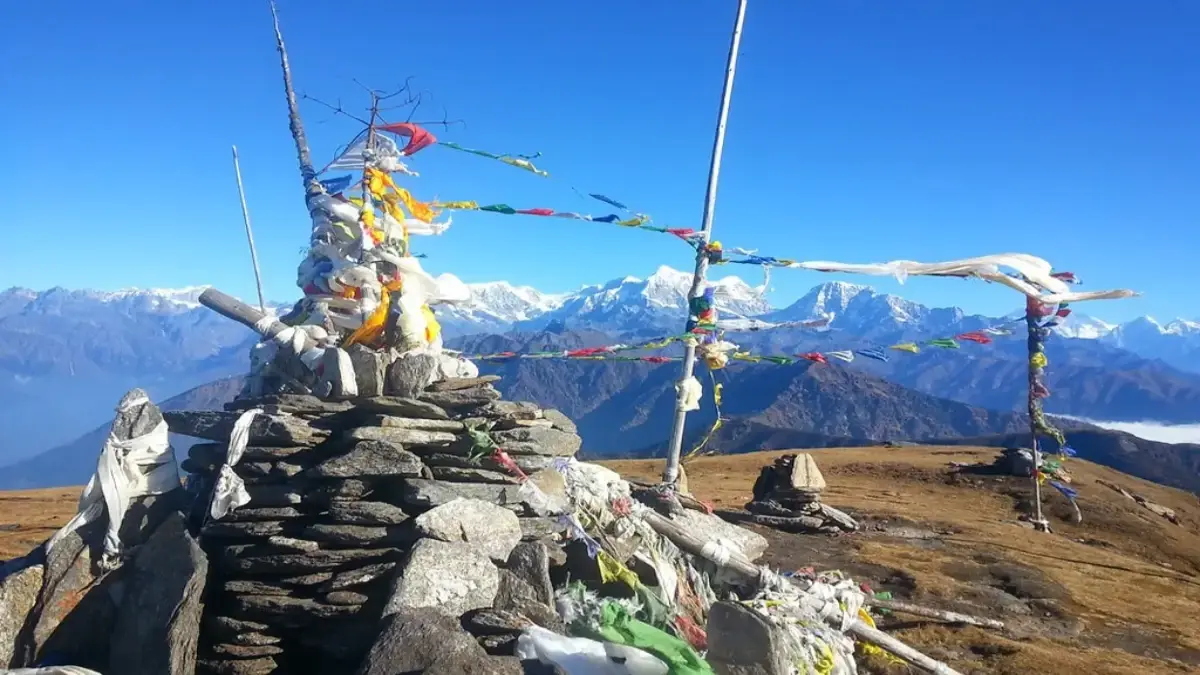
Wake at 4:30 AM for pre-dawn hike to Pikey Peak summit (1.5-2 hours). Reach the top before sunrise to witness one of the Himalayas' most spectacular panoramas - the entire eastern Himalayan range glowing in golden light. See Everest, Makalu (5th highest), Kanchenjunga (3rd highest), Lhotse, Nuptse, Ama Dablam, Thamserku, Numbur, and countless other peaks. The view stretches over 300km! After sunrise and photography, descend back to base camp for breakfast. Continue descending through forests and Sherpa villages to Junbesi, one of the region's most beautiful and culturally significant villages. Visit Thubten Choling Monastery, a large monastery complex with over 400 monks and nuns.
Morning exploration of beautiful Junbesi village. Visit the gompa (monastery), local school (Hillary School built by Edmund Hillary's foundation), and cheese factory if interested. Interact with friendly locals and observe traditional Sherpa lifestyle. After lunch, trek through forests to Taksindu village. Cross a high suspension bridge and climb through rhododendron forests. Visit Taksindu Monastery perched on a hilltop with stunning views. This monastery is one of the oldest in the region. Enjoy peaceful evening with mountain backdrop.
Final trekking day descending through forests and terraced fields to Phaplu, a small town with a hospital and airstrip. Meet your jeep for the return journey to Kathmandu. Scenic drive offers different perspectives of the landscapes you trekked through. Arrive in Kathmandu by evening. Transfer to hotel. Optional celebration dinner with your guide and crew.
After breakfast, transfer to Tribhuvan International Airport for your departure flight. Take home wonderful memories of Pikey Peak's stunning sunrise, warm Sherpa hospitality, and the uncrowded beauty of the lower Everest region.
Why This Trek?
The Pikey Peak Trek is Nepal's best-kept secret - a short, accessible trek that delivers world-class mountain panoramas rivaling any viewpoint in the Himalayas. What makes it special is the combination of spectacular views (arguably better than from Everest Base Camp itself), authentic Sherpa culture in uncrowded villages, moderate difficulty suitable for beginners and families, affordable cost, and reasonable time commitment (just 7 days). You experience the magic of the Himalayas without the extreme challenges of high-altitude trekking. Watching sunrise from Pikey Peak, with Everest glowing golden on the horizon and dozens of 7,000m+ peaks stretching in every direction, is a moment that will stay with you forever - and you'll share it with just a handful of other trekkers, not hundreds.
Ready to discover Sir Edmund Hillary's favorite Himalayan viewpoint? Book your Pikey Peak Trek today and experience the perfect introduction to Nepal's mountains. Whether you're a first-time trekker wanting to test the Himalayas, a family seeking adventure together, a photographer chasing the perfect sunrise shot, or a seasoned trekker looking for an uncrowded gem, Pikey Peak delivers beyond expectations. Join us for this spectacular week-long journey through authentic Sherpa villages to one of the finest mountain panoramas on Earth. Limited time? Limited budget? No problem - Pikey Peak offers maximum views with minimum challenges. Contact us now to book your trek!
Trek Difficulty
The Pikey Peak Trek is rated easy to moderate, making it one of the most accessible mountain viewpoint treks in Nepal. With a maximum altitude of only 4,065m and daily trekking of 4-6 hours, this trek is suitable for beginners, families with older children (10+), and anyone seeking stunning Himalayan views without extreme altitude challenges. No previous trekking experience required, though basic fitness is beneficial.
Physical Fitness
Moderate fitness level is sufficient for Pikey Peak Trek. You should be comfortable walking 4-6 hours per day with a light daypack on uphill and downhill trails. Regular walking or light exercise 2-3 times weekly for a month before the trek is adequate preparation. The summit day involves waking very early and hiking uphill for 1.5-2 hours in the dark, which requires mental determination more than physical strength. Most people of average fitness complete this trek comfortably. It's an excellent "first trek" in Nepal to gauge your response to altitude before attempting longer, higher treks.
Altitude Sickness
Altitude sickness is rarely a concern on the Pikey Peak Trek due to the moderate maximum elevation (4,065m). Most people don't experience symptoms below 4,000m. The gradual ascent profile provides natural acclimatization. However, stay hydrated (2-3 liters daily), avoid alcohol, and inform your guide if you feel any unusual symptoms like persistent headache, nausea, or dizziness. The summit morning starts at 3,640m and gains only 425m, so acute mountain sickness is uncommon. This makes Pikey Peak ideal for testing your altitude tolerance before attempting higher treks.
Preparation
Minimal specialized preparation needed. Focus on: 1) Regular walking or light hiking for 4-6 weeks before departure, 2) Practice walking uphill and downhill with a small daypack (5kg), 3) Break in your trekking boots on several walks, 4) Basic cardio fitness (walking, cycling, swimming) 3 times weekly, 5) Mental preparation for early morning summit (4:30 AM wake-up). No altitude training necessary. The trek's relatively low difficulty makes it accessible to most people with basic fitness. It's also a great training trek if you plan to do longer treks like EBC or Annapurna Circuit in the future.
Cost & Budgeting
Budget overview
The Pikey Peak Trek is one of the most budget-friendly treks in Nepal, typically costing $400 to $1,200 per person depending on group size, service level, and personal expenses. The absence of expensive flights (unlike EBC) significantly reduces costs. Many consider it the best value-for-views trek in Nepal.
Estimated cost breakdown
Saving tips
Join group treks for significant savings on guide and transportation costs (can reduce total cost by 30-40%). Trek during shoulder season (March or November) for negotiable prices. Bring your own sleeping bag to avoid rental fees. Order Dal Bhat meals (cheaper with unlimited refills). Carry water purification tablets instead of buying bottled water. Book directly with local operators. Take local bus instead of private jeep (saves $100+ but adds 2-3 hours). Skip the porter if you can carry 8-10kg comfortably. Some teahouses offer free accommodation if you eat there.
Best Time to Trek
The Pikey Peak Trek can be done year-round but is best during autumn (October-November) and spring (March-May). The lower altitude and protected forest environment make it more weather-resistant than high-altitude treks. Even winter is viable with proper clothing.
Spring
Spring (March to May) is spectacular for Pikey Peak, especially if you trek in late March or April when rhododendron forests are in full bloom - entire hillsides covered in red, pink, and white flowers. Temperatures warm progressively. March can still have snow at the summit (magical!). April-May offer clear morning skies perfect for sunrise views. Daytime temperatures: 10-20°C at lower elevations, 5-10°C at Pikey Base Camp. Spring is ideal for photography with blooming nature and clear skies.
Autumn
Autumn (October to November) provides the clearest, most stable weather with crisp air and exceptional mountain visibility. This is peak season for all Nepal treks. October offers warmer temperatures, while November is cooler but still comfortable. Morning skies are typically crystal clear - perfect for the Pikey Peak sunrise panorama. Daytime temperatures: 8-18°C at lower elevations, 0-8°C at Pikey Base Camp. Nights are cold but manageable. October is busiest but still much less crowded than EBC or Annapurna routes.
Monsoon
Monsoon (June to September) brings daily afternoon rain making trails muddy and slippery. Mountain views are often obscured by clouds. However, the lower altitude means the trail remains passable, and teahouses stay open. Mornings are often clear. Leeches present below 3,000m. Rhododendron forests are lush and green. Only recommended for experienced trekkers who don't mind rain and can be flexible with summit timing. Significantly cheaper rates and zero crowds if you don't mind occasional wet conditions.
Winter
Winter (December to February) is cold but feasible on Pikey Peak Trek. Snow possible above 3,500m (adds beauty!). Daytime temperatures: 5-15°C at lower elevations, -5 to 5°C at Pikey Base Camp. Night temperatures can drop to -10°C. Crystal clear skies offer exceptional visibility - some of the best mountain views of the year. Few other trekkers. Teahouses remain open. Good 4-season sleeping bag and warm clothing essential. Perfect for those seeking solitude and don't mind cold. The summit sunrise in winter is spectacular with snowy landscapes.
Weather is generally more predictable on Pikey Peak than high-altitude treks due to lower elevation. Autumn and spring mornings typically clear with afternoon clouds. Rain less common than monsoon season. Temperatures moderate year-round. Wind less severe than on 5,000m+ passes. The lower altitude means you can trek comfortably in a wider range of conditions. Always pack layers as temperatures vary significantly between forest trails and exposed ridges.
Choose spring (March-April) for blooming rhododendrons and warming weather - spectacular for photography and comfortable temperatures. Choose autumn (October-November) for the absolute clearest mountain views and most stable weather - best for panoramic photography from Pikey Peak. Winter offers solitude, clear skies, and snowy beauty if you handle cold well. Avoid monsoon unless you're flexible and don't mind rain. October is most popular but March-April and November are excellent with fewer crowds.
Permits & Regulations
Overview
The Pikey Peak Trek requires entry to the Gaurishankar Conservation Area and local permits. These are much simpler and cheaper than Everest Base Camp permits. The fees support local conservation and community development.
Gaurishankar Conservation Area Entry Permit
Required for trekking in the Gaurishankar Conservation Area which encompasses the Pikey Peak region. Fees support forest conservation, wildlife protection, and trail maintenance. Cost: NPR 3,000 (approximately $30 USD) for foreigners, NPR 1,000 for SAARC nationals.
Local Village Permits
Some villages along the route collect small entry fees (NPR 200-500 per village) to support local infrastructure, schools, and community projects. These are collected at village checkpoints. Your guide will manage these.
How to obtain
The Gaurishankar Conservation Area permit can be obtained in Kathmandu at the Nepal Tourism Board office or at the conservation area entry point near Dhap during the trek. Most trekking agencies arrange permits as part of their package - highly recommended for convenience. You'll need 2 passport photos and a passport copy. Some local permits are collected at village checkpoints during the trek (cash only - small amounts). Agencies typically handle all permits, but if independent trekking, obtain the main permit before leaving Kathmandu or be prepared to obtain it at the entry checkpoint.
Accommodation & Food
Overview
Accommodation on the Pikey Peak Trek consists of simple but comfortable teahouses and occasional homestays with local Sherpa families. The lower Everest region has well-established teahouse infrastructure. Facilities are more basic than on the main EBC route but perfectly adequate and often more authentic.
Teahouses
Teahouses provide basic twin-bedded rooms with mattresses and blankets. Some locations offer slightly fancier lodges with attached bathrooms, especially in Junbesi. Most have shared bathrooms (mix of western and squat toilets). Hot showers available at most teahouses ($2-3) using solar or gas heaters. Dining rooms have stoves or fireplaces for warmth in evenings. Charging stations available for a small fee ($1-2 per hour). Rooms are unheated but adequate with a good sleeping bag. Wi-Fi available in some villages for minimal cost. Teahouses are family-run, offering warm Sherpa hospitality.
Food
Food quality is good with diverse menus. Standard offerings include: Dal Bhat (rice and lentils - unlimited refills, highly recommended), noodle soup, fried rice, momos (dumplings), Tibetan bread, pasta, eggs, porridge, pancakes. Some teahouses serve Sherpa stew and local specialties. Fresh vegetables available. Junbesi has particularly good bakeries and restaurants. Food is freshly prepared and generally very tasty. Prices are very reasonable (half the cost of EBC route). Tea, coffee, and hot chocolate available. Limited alcohol in remote areas.
Order Dal Bhat for best value and nutrition - unlimited refills make it economical and provide needed energy. Stay hydrated - drink 2-3 liters daily. Garlic soup is excellent for altitude and warming. Try local Sherpa specialties when available. Eat where you sleep (teahouses often require this). Hot meals and soups are comforting after trekking days. Budget $15-25 per day for food - very affordable. Teahouse dining areas are social hubs where trekkers share experiences. Bring small snacks (chocolate, energy bars) for trail munching.
Packing List
Essential gear
Clothing
Base layer thermals (1-2 sets), fleece jacket, light down jacket or warm synthetic jacket, waterproof rain jacket, trekking pants (2), shorts (optional for lower elevations), long-sleeve trekking shirts (2), warm hat, sun hat, gloves (light), scarf/buff
Footwear
Comfortable trekking boots (waterproof, broken in), camp shoes/sandals, trekking socks (3-4 pairs), sock liners (optional)
Gear
Sleeping bag (0°C to -10°C rating depending on season), daypack (25-35L), trekking poles (helpful for downhills), headlamp with extra batteries, sunglasses, water bottles (2L total capacity), water purification tablets or filter
Personal Items
Sunscreen (SPF 40+), lip balm (SPF), basic first-aid kit, pain relievers, blister treatment, personal medications, hand sanitizer, wet wipes, toilet paper, quick-dry towel, toiletries
Electronics & Documents
Camera/smartphone, extra batteries/power bank, phone with Nepal SIM card (optional), passport with copies, permits, travel insurance documents, emergency cash (USD and NPR), credit card
Optional
Book or Kindle for downtime, journal and pen, playing cards, lightweight binoculars (great for wildlife and mountain viewing), thermos for hot drinks on trail, notebook for cultural observations, small gifts for homestay families (pens, chocolate for children), portable solar charger, extra camera memory cards, gaiters (if trekking in snow season)
What not to pack
Heavy jeans or cotton clothing, excessive clothes (teahouses have laundry service), laptop, hair dryer, expensive jewelry, too many electronics, hardcover books, non-essential toiletries (basic supplies available in larger villages), single-use plastics (bring reusable water bottles), fresh food from Kathmandu (available on trail). Pack light - you'll enjoy the trek more with less weight!
Guides & Support
Benefits of a guide
While Pikey Peak Trek can technically be done independently (trails are reasonably clear), hiring a local Sherpa guide significantly enhances the experience. Benefits include: navigating trail junctions and villages, arranging best teahouse accommodations, cultural interpretation and language translation, timing the sunrise perfectly, identifying mountain peaks from the summit (there are dozens!), sharing local stories and legends, ensuring proper permits, supporting local economy, safety and emergency assistance, deeper cultural insights through home visits. Guides from the Solu region (where Pikey is located) offer the most authentic experience.
How to choose
For Pikey Peak, choose guides with: local origin from Solu or Solukhumbu district (best cultural knowledge), several years guiding experience in the region, basic first-aid training, good English communication, knowledge of local culture, monasteries, and traditions, references from previous clients, membership in authorized trekking associations (TAAN). This trek doesn't require high-altitude specialists - local Sherpa guides are perfect. Book through reputable local agencies that pay fair wages and provide insurance. Many excellent guides are from villages along the Pikey route and offer authentic homestay experiences with their own families.