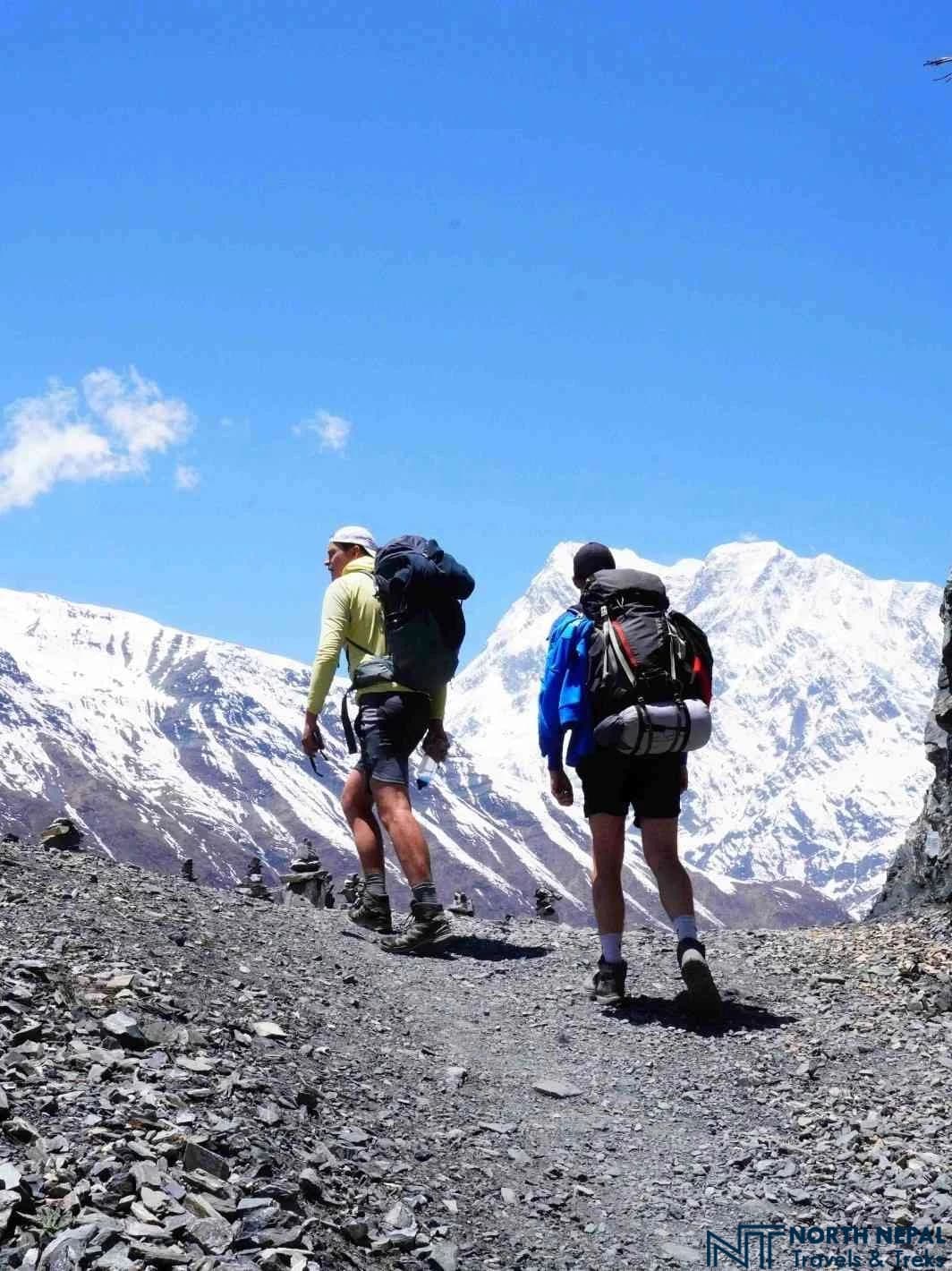
Kanchenjunga
Kanchenjunga Base Camp Trek - 21 Days

- DestinationNepal
- RegionKanchenjunga
- Duration21 Days
- TransportationFlight + Jeep
- Max Height5,143 m / 16,873 ft
- ActivitiesExpedition Trekking
- Trip GradeStrenuous
- AccommodationTea House & Camping
- Group SizeMin. 2 Pax
- Best SeasonSep-Nov & Mar-May
- MealsB.L.D.
- Start / End PointTaplejung
Introduction
The Kanchenjunga Base Camp Trek is one of Nepal's most remote and challenging expeditions, taking you to the base of the world's third highest mountain, Kanchenjunga (8,586m). This epic 21-day journey ventures into the far eastern corner of Nepal, bordering Sikkim and Tibet, through a region that sees only a few hundred trekkers annually. The trek uniquely visits both North Base Camp (Pang Pema, 5,143m) and South Base Camp (Oktang, 4,730m), circumnavigating the sacred "Five Treasures of Snow." You'll traverse the Kanchenjunga Conservation Area, home to rare wildlife including snow leopards and red pandas, while experiencing the authentic culture of Limbu, Rai, Sherpa, and Tibetan communities. This is expedition-style trekking in its purest form - pristine wilderness, dramatic landscapes from subtropical jungle to glacial moraines, and the ultimate adventure for experienced trekkers seeking solitude and challenge far from tourist crowds.
Kanchenjunga Base Camp Trek Highlights
- Trek to base camps of Kanchenjunga, the world's third highest mountain (8,586m)
- Visit both North Base Camp (Pang Pema, 5,143m) and South Base Camp (Oktang, 4,730m)
- Cross high passes - Lapsang La (5,160m) or Sele La (4,290m)
- Experience one of Nepal's most remote and least-trekked regions
- Witness pristine wilderness with rare wildlife including snow leopards and red pandas
- Explore diverse ecosystems from subtropical jungle to glacial zones
- Encounter authentic Limbu, Rai, Sherpa, and Tibetan cultures
- Trek through spectacular rhododendron forests (blooming in spring)
- Enjoy complete solitude with very few other trekkers
Why Book the Kanchenjunga Base Camp Trek with Us?
- Expert guides with 10+ years Kanchenjunga region experience
- 100% Guaranteed Departures - all dates confirmed
- Proven acclimatization schedule for safe high-altitude trekking
- Comprehensive logistical support in remote areas
- 24/7 Emergency Support with satellite communication
- Small Groups (max 8 people) for safety and flexibility
- Quality Camping Equipment for remote sections
- Experienced support crew trained in high-altitude rescue
- Conservation-focused trekking supporting local communities
- Flexible itinerary accommodating weather and health conditions
Kanchenjunga Base Camp Trek Itinerary
Airport pickup, hotel transfer, comprehensive trek briefing covering Kanchenjunga route, permits, altitude strategy, and remote area preparations.
Scenic flight to Bhadrapur in eastern Nepal, then long jeep drive through hills to Taplejung, the gateway to Kanchenjunga.
Begin trekking through terraced farmland and subtropical forest, descending to the Tamur River.
Follow the Tamur River upstream through villages and lush forest, experiencing Limbu culture.
Continue along the river valley through bamboo and rhododendron forest, crossing suspension bridges.
Ascend through dense forest with waterfalls, entering more remote terrain.
Climb through rhododendron and oak forest, reaching Sherpa settlements.
Reach Ghunsa, the largest village in the valley with Tibetan Buddhist culture and a monastery.
Rest day for acclimatization. Hike to nearby viewpoints, visit the monastery, and explore the village.
Ascend into alpine zone with spectacular mountain views. Vegetation becomes sparse.
Short day trekking to high-altitude Lhonak beside the glacial lake. First views of Kanchenjunga north face.
Trek to North Base Camp with spectacular views of Kanchenjunga and surrounding peaks. Return to Lhonak.
Descend back through Kambachen to Ghunsa. Easier on lungs but hard on knees.
Climb to Sele La pass base camp (or alternative route via Lapsang La at 5,160m for experienced groups).
Cross Sele La pass (4,290m) with panoramic views, then descend to Tseram in the Yalung Valley.
Short trek to Ramche with stunning views of Kanchenjunga south face. Afternoon rest for acclimatization.
Trek to South Base Camp (Oktang) with incredible close-up views of Kanchenjunga. Return to Ramche.
Descend through the Yalung Valley, retracing part of the route.
Continue descending through forest and villages to Yamphudin.
Final trekking day to Khebang, then jeep drive to Taplejung. Celebrate trek completion.
Long jeep drive to Bhadrapur, then flight back to Kathmandu. Evening celebration dinner.
Airport transfer for international departure. Trek memories last forever.
Why This Trek?
The Kanchenjunga Base Camp Trek represents the ultimate Himalayan trekking adventure - a journey into one of Earth's last true wilderness areas where human presence is minimal and nature reigns supreme. Standing at both base camps beneath the world's third highest mountain, witnessing the sacred five peaks that local communities worship, and experiencing the complete solitude of trekking for days without seeing another group creates a profound sense of discovery and achievement. This trek proves that Nepal's greatest treasures aren't always the most famous. While crowds flock to Everest, a select few venture to Kanchenjunga for the authentic expedition experience that trekking was meant to be. The pristine forests, rare wildlife, authentic cultures, and dramatic landscapes untouched by mass tourism offer rewards that transcend the considerable challenges.
Ready to undertake Nepal's ultimate trekking challenge? Book your Kanchenjunga Base Camp Trek today for the adventure of a lifetime! Our expert guides with extensive Kanchenjunga experience, proven safety protocols for remote areas, comprehensive logistical support, and guaranteed departures ensure your success in this demanding environment. Perfect for experienced trekkers seeking ultimate adventure, pristine wilderness, rare wildlife, and authentic cultural experiences far from tourist crowds. Limited departures due to remoteness - book 3-4 months in advance for peak seasons. Contact us now for detailed itinerary, group rates, and expedition planning. This is your chance to join the elite few who have completed one of the world's great mountain journeys!
Trek Difficulty
The Kanchenjunga Base Camp Trek is classified as strenuous to very strenuous - one of Nepal's most challenging teahouse/camping treks. The trek reaches 5,143m at North Base Camp with 18-19 consecutive trekking days, crossing high passes, and covering significant distance in remote areas with basic facilities. Only suitable for experienced trekkers with excellent fitness and prior high-altitude experience.
Physical Fitness
Excellent physical fitness is absolutely essential. Train intensively for 4-6 months: cardiovascular training 5-6 days/week, long weekend hikes (7-8 hours) with elevation gain (1,000m+), back-to-back trekking days, and leg strengthening. Previous successful completion of treks like Everest Base Camp, Annapurna Circuit, or Manaslu Circuit strongly recommended.
Altitude Sickness
Altitude sickness is a major concern at 5,143m. The itinerary includes two acclimatization days but ascent is still relatively rapid. Drink 4-5 liters daily, follow the schedule without rushing, consider Diamox, recognize symptoms early, and be prepared to descend if needed. Emergency evacuation is extremely difficult and expensive from remote Kanchenjunga region.
Preparation
Begin preparation 4-6 months before. Complete practice multi-day treks. Get comprehensive medical clearance. Arrange specialized travel insurance covering 6,000m and remote area evacuation. Mental preparation is crucial - this is expedition-style trekking requiring resilience, flexibility, and ability to handle discomfort and uncertainty.
Cost & Budgeting
Budget overview
The Kanchenjunga Base Camp Trek is expensive due to remoteness, duration, and special permits. Total costs typically range from $2,500 to $4,500 per person for 21-22 days, making it one of Nepal's most expensive treks.
Estimated cost breakdown
Saving tips
Trek in shoulder seasons (March or November) for slightly lower prices. Join group treks to share costs. However, Kanchenjunga is inherently expensive due to remoteness - don't compromise on quality guide, insurance, or equipment to save money. Safety is paramount in this remote region.
Best Time to Trek
Best times are autumn (September-November) and spring (March-May). These seasons offer favorable weather, clear views, and manageable trail conditions. Avoid monsoon and winter.
Spring
Spring (March-May) is excellent with warming temperatures and spectacular rhododendron blooms at lower elevations. April-May offer best weather but pre-monsoon clouds increase in late May. Temperatures comfortable for trekking. Trail conditions good. Wildlife more active.
Autumn
Autumn (September-November) is peak season with clearest skies and most stable weather. October offers perfect conditions - clear views, comfortable temperatures, reliable weather. November is colder but still excellent with pristine visibility. Most trekkers choose autumn.
Monsoon
Monsoon (June-August) is not recommended. Heavy rain, leeches, landslides, poor visibility, dangerous trails, and high risk. Very few attempt Kanchenjunga in monsoon.
Winter
Winter (December-February) is extremely challenging with heavy snow blocking high passes, extreme cold (-20 to -30°C at altitude), short days, and many teahouses closed. Only for experienced winter mountaineers.
Weather is highly unpredictable in remote Kanchenjunga. Morning starts clear with afternoon clouds common. Storms can arrive suddenly. Always prepare for all conditions. Temperature ranges from 20°C at low elevations to -15°C at base camps.
October for best overall conditions. April-May for rhododendrons and warmth. Avoid monsoon and winter unless you're exceptionally experienced and equipped.
Permits & Regulations
Overview
Kanchenjunga region requires special permits due to its restricted border area status near Sikkim and Tibet. All trekkers must trek with licensed guide.
Kanchenjunga Conservation Area Permit (KCAP)
Entry permit for Kanchenjunga Conservation Area. Supports conservation and local communities. Cost: NPR 2,000 (~$20 USD).
Restricted Area Permit (Kanchenjunga)
Required for trekking in restricted border areas. Cost: $20 USD per week per person (typically need 3 weeks = $60).
TIMS Card
Trekkers Information Management System for safety. Cost: NPR 1,000-2,000 (~$10-20 USD).
How to obtain
All permits must be arranged through registered trekking agency - independent trekking not permitted in Kanchenjunga. Provide passport copy, photos, and trek dates. Agency handles all paperwork. Processing takes 3-5 days in Kathmandu. Total permit cost: approximately $90-110 per person.
Accommodation & Food
Overview
Accommodation is the most basic of any major Nepal trek. Lower sections have simple teahouses. Higher and more remote sections may require camping. Facilities are minimal throughout.
Teahouses
Basic teahouses at lower elevations (below 4,000m) offer twin-bedded rooms with thin mattresses, shared pit toilets, no showers (or very limited), dining rooms with basic stoves, minimal electricity (solar, limited hours), and no WiFi. Higher elevations require camping or extremely basic stone shelters. Bring excellent sleeping bag rated -15 to -20°C minimum.
Food
Food is simple: dal bhat (rice and lentils - staple at all elevations), noodle dishes, basic fried rice, limited vegetables (mostly at lower elevations), eggs when available, and Tibetan bread. Menu variety decreases significantly with altitude. Bring supplementary food (energy bars, nuts, dried fruit, chocolate) from Kathmandu.
Lower expectations regarding food and accommodation. This is expedition trekking. Order dal bhat for best nutrition and value. Bring comprehensive water purification. Supplement meals with your own snacks. Be prepared for very basic conditions, especially above 4,000m.
Packing List
Essential gear
Clothing
Thermal base layers (3 sets), fleece mid-layer, expedition down jacket, 4-season shell jacket, insulated pants, rain pants, warm hat, sun hat, balaclava, expedition gloves, liner gloves
Footwear
Expedition-quality waterproof boots, camp shoes, 8-10 pairs socks, gaiters (essential), crampons/microspikes (for passes)
Equipment
4-season sleeping bag (-20°C minimum), sleeping pad, trekking poles (essential), headlamp with extra batteries, sunglasses (Cat 4), 3 water bottles, water filter AND tablets, comprehensive first aid kit
Technical
GPS device or phone with offline maps, satellite communicator (highly recommended), multiple power banks (30,000+ mAh total), solar charger, emergency whistle
Documents
Passport, all permits, insurance (must cover 6,000m and remote evacuation), substantial cash in NPR (NO ATMs after Taplejung), emergency cash in USD
Medical
Altitude sickness medication (Diamox), pain relievers, antibiotics (prescription), blister treatment, rehydration salts, personal medications (extra supply)
Optional
Book/Kindle, journal, playing cards, binoculars, spare glasses, earplugs, supplementary food (energy bars, nuts, chocolate - bring substantial amount)
What not to pack
Excessive clothing, cotton items, non-essential electronics, heavy books, single-use plastics. Porter limit: 15kg. Pack absolute minimum while ensuring safety equipment. This is expedition trekking - every gram matters.
Guides & Support
Benefits of a guide
Mandatory guide for Kanchenjunga provides: Expert navigation in remote unmarked sections, altitude sickness monitoring and emergency response, local language skills (essential), emergency evacuation coordination, cultural interpretation, logistics management, and crucial safety support in isolated areas far from rescue infrastructure.
How to choose
Select guide with: Minimum 5+ Kanchenjunga treks experience, high-altitude rescue training and certification, satellite phone or communication device access, excellent English and local language skills, recent positive reviews specifically for Kanchenjunga, fair employment with proper insurance, and proven emergency response experience. This is no place for inexperienced guides - lives depend on competence.