Langtang
Helambu Trek - 7 Days

- DestinationNepal
- RegionLangtang
- Duration7 Days
- TransportationPrivate Vehicle
- Max Height3,650 m / 11,975 ft
- ActivitiesTrekking, Cultural Immersion
- Trip GradeModerate
- AccommodationTea House
- Group SizeMin. 1 Pax
- Best SeasonMar-May & Sep-Nov
- MealsB.L.D.
- Start / End PointSundarijal / Melamchi Pul Bazaar
Introduction
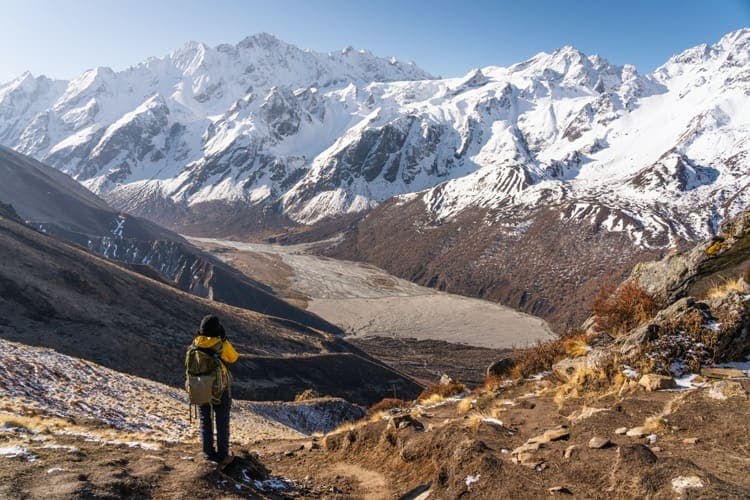
The Helambu Trek is a perfect short trekking route in Nepal for those with limited time but seeking an authentic Himalayan cultural experience. Located in the Langtang region just north of Kathmandu, this 7-day Helambu trekking circuit takes you through traditional Sherpa and Tamang villages, terraced farmlands, rhododendron forests, and offers stunning views of the Langtang and Jugal Himal ranges. Unlike the more strenuous high-altitude treks, the Helambu Valley trek remains at moderate elevations (maximum 3,650m), making it ideal for beginners, families, and trekkers seeking cultural immersion over extreme altitude challenges. The Helambu region is known for its warm Hyolmo (Sherpa) people, beautiful Buddhist monasteries, and being one of the closest quality trekking destinations to Kathmandu.
Helambu Trek Highlights
- Easy access from Kathmandu - perfect for trekkers with limited time
- Explore authentic Sherpa and Tamang villages with rich Buddhist culture
- Visit ancient monasteries and experience traditional Himalayan lifestyle
- Enjoy panoramic views of Langtang, Jugal Himal, and Ganesh Himal ranges
- Trek through beautiful rhododendron, oak, and pine forests
- Experience terraced farmlands and traditional agriculture practices
- Moderate altitude making it suitable for beginners and families
- Less crowded trails compared to Everest and Annapurna regions
- Taste authentic Sherpa cuisine and local apple brandy (raksi)
- Perfect acclimatization trek before attempting higher altitude routes
Why Book the Helambu Trek with Us?
- Expert local guides from the Helambu region with cultural knowledge
- Flexible itinerary suitable for all fitness levels
- Small group sizes ensuring personalized attention
- Comprehensive pre-trek briefing in Kathmandu
- Quality teahouse selection for comfortable stays
- 24/7 customer support via phone and WhatsApp
- Private transportation to/from trailhead
- Cultural insights and monastery visit arrangements
- Fair wages and treatment of guides and porters
Helambu Trek Itinerary
Arrive at Tribhuvan International Airport in Kathmandu where our representative will warmly welcome you and transfer you to your hotel. After settling in, attend a trek briefing where your guide will explain the Helambu Trek itinerary, what to expect, cultural etiquette for visiting villages and monasteries, and answer any questions. Free time to explore Thamel area and purchase any last-minute trekking supplies.
After breakfast, drive to Sundarijal (1,460m), a small town known for its dam and reservoir supplying water to Kathmandu. Begin your Helambu Trek by climbing stone steps through Shivapuri National Park, passing beautiful waterfalls and entering lush forests of oak, rhododendron, and pine. The trail ascends gradually through the park, and you may spot various bird species and occasionally langur monkeys. Pass through Mulkharka village (1,895m), a small Tamang settlement, before continuing uphill to reach Chisapani. Chisapani, meaning "cold water," offers spectacular sunset views of the Himalayan range including Langtang, Ganesh Himal, and on clear days even Everest in the distance.
Wake early for sunrise views from Chisapani over the Himalayan panorama. After breakfast, begin trekking along ridgelines with continuous mountain views. The trail descends through beautiful forests to Pathi Bhanjyang (1,770m), a small village with teahouses where you can stop for tea. From here, the trail climbs steadily through rhododendron forests (spectacular in spring when blooming) and scattered settlements. Pass through Gul Bhanjyang (2,130m) and continue ascending to reach Kutumsang, a picturesque village inhabited by Sherpa and Tamang people. Kutumsang offers excellent mountain views and is a good place to experience local Sherpa culture and hospitality.
Today involves the highest altitude gain of your Helambu Trek. The trail climbs steadily through dense rhododendron and bamboo forests. Pass through Mangengoth (3,285m), a small settlement with basic lodges. Continue ascending through increasingly sparse vegetation as you gain altitude. The trail becomes rockier as you approach Tharepati. Reach Tharepati (3,650m), the highest point of your Helambu Trek and an important trail junction (trekkers heading to Gosaikunda turn west here, while you'll head north toward Helambu villages). Tharepati offers stunning 360-degree mountain views including Langtang Lirung, Dorje Lakpa, and surrounding peaks. The temperature is noticeably cooler here, and you may encounter snow in winter months.
After enjoying morning mountain views from Tharepati, begin descending through beautiful forests of rhododendron, hemlock, and oak. The trail descends steadily with occasional level sections. Pass through Melamchi Ghyang (2,530m), one of the largest and most prosperous villages in Helambu region, known for its beautiful Sherpa houses and Buddhist monastery. Explore the village and visit the monastery if time permits. Continue trekking through terraced fields and scattered settlements to reach Tarkeghyang (2,600m), a beautiful and culturally rich Sherpa village. Tarkeghyang is one of the highlights of the Helambu Trek with its impressive monastery, traditional Sherpa architecture, and warm hospitality. Visit the historic Tarkeghyang Monastery (founded around 300 years ago), walk through the village observing traditional Sherpa lifestyle, and interact with friendly locals.
A relatively shorter and easier trekking day allowing time to enjoy the cultural experiences. Trek through beautiful pine and rhododendron forests with occasional glimpses of mountain peaks. The trail passes through several small Sherpa and Tamang villages where you can observe traditional agricultural practices including terraced farming of potatoes, wheat, and barley. Reach Sermathang (2,610m), another charming Sherpa village with stunning mountain views. Sermathang is known for its old monastery, traditional architecture, and friendly inhabitants. Spend the afternoon exploring the village, visiting the monastery, observing daily life, and perhaps trying local apple brandy (raksi) if offered. The slower pace today allows deeper cultural immersion and photography opportunities.
Your final trekking day on the Helambu Trek begins with descent through terraced farmlands and scattered settlements. The trail drops gradually through forests and cultivated areas, passing several small villages. Observe daily village life including farmers working in fields, children going to school, and locals going about their routines. Reach Melamchi Pul Bazaar (870m), a bustling bazaar town where the trail ends. Celebrate your successful completion of the Helambu Trek with your guide and porter over lunch. Drive back to Kathmandu (approximately 2-3 hours depending on road conditions and traffic). The drive follows the Helambu Road through scenic countryside and along the Melamchi River. Arrive in Kathmandu by evening, transfer to your hotel, and enjoy a farewell dinner celebrating your Helambu trekking adventure.
After breakfast, free time for last-minute shopping in Thamel, visiting UNESCO World Heritage sites in Kathmandu Valley (optional), or simply relaxing at your hotel. Our representative will transfer you to Tribhuvan International Airport approximately 3 hours before your departure flight. Leave Nepal with wonderful memories of your Helambu Trek cultural experience and perhaps already planning your next Himalayan adventure!
Why This Trek?
The Helambu Trek offers an exceptional combination of accessible Himalayan trekking and authentic cultural immersion that few other routes can match. Perfect for beginners, families, time-limited travelers, and anyone seeking meaningful cultural experiences over extreme altitude challenges, this trek delivers traditional Sherpa and Tamang village life, ancient Buddhist monasteries, beautiful forest and mountain landscapes, warm local hospitality, and comfortable well-established infrastructure - all just hours from Kathmandu. Whether you're taking your first steps into Himalayan trekking or seeking a cultural journey through traditional mountain communities, Helambu provides unforgettable experiences and memories that will draw you back to Nepal again and again.
Ready to experience authentic Sherpa culture and beautiful Himalayan landscapes on this accessible trek? Book your Helambu Trek today and discover why this route is beloved by first-time trekkers and Nepal veterans alike. Our expertly crafted 7-day Helambu Trek itinerary combines comfortable teahouses, cultural village visits, and stunning scenery with experienced local guides who bring the region's rich traditions to life. Perfect for beginners, families, and anyone seeking cultural immersion, the Helambu Trek is your ideal introduction to trekking in Nepal. Contact us now to start planning your Helambu cultural trekking adventure - departures available year-round with best conditions in spring and autumn!
Trek Difficulty
The Helambu Trek is classified as moderate difficulty, making it one of Nepal's most accessible quality treks. It's perfect for trekkers with reasonable fitness levels, first-time Himalayan trekkers, families with older children (12+ years), and those wanting cultural immersion without extreme altitude challenges. The trail is well-maintained with clear paths, and the moderate maximum altitude (3,650m) reduces altitude sickness concerns significantly. Daily walking times average 4-6 hours at a comfortable pace with adequate breaks. While some sections involve steep ascents and descents, they're manageable with basic fitness.
Physical Fitness
Basic to moderate physical fitness is sufficient for the Helambu Trek. You should be comfortable walking 4-6 hours daily on uneven terrain, including uphill and downhill sections. Previous trekking experience is helpful but not required - many first-time trekkers successfully complete Helambu. Recommended preparation includes: Regular walking or hiking 2-3 times weekly starting 4-6 weeks before your trek, gradually increasing distance and difficulty; cardiovascular exercise (cycling, swimming, jogging) 2-3 times weekly; some leg strengthening exercises (squats, lunges) to prepare for uphill sections; practice walking with a daypack (5-7kg) on varied terrain. If you can comfortably walk 3-4 hours with breaks and handle daily stairs, you have sufficient fitness for Helambu Trek. Unlike high-altitude treks, extreme fitness is not required.
Altitude Sickness
Altitude sickness risk on Helambu Trek is significantly lower than most Nepal treks due to moderate maximum elevation (3,650m). Most trekkers experience minimal altitude effects. However, basic precautions are still important: Ascend gradually (the itinerary is well-paced), stay hydrated (3-4 liters daily including tea), recognize mild symptoms (slight headache, minor fatigue are normal at 3,650m), inform your guide if experiencing persistent headache, nausea, or unusual fatigue, and avoid alcohol for the first few days. The Helambu Trek itinerary provides natural acclimatization with no sudden altitude gains. Most trekkers feel completely comfortable throughout. Altitude sickness medication (Diamox) is generally not necessary for Helambu, but consult your doctor if you have concerns or previous altitude sensitivity.
Preparation
Preparation for Helambu Trek is straightforward and doesn't require months of intense training. Begin light preparation 4-6 weeks before departure: Physical preparation - regular walking and basic cardio exercise as described above; Mental preparation - research Sherpa and Tamang culture, learn basic Nepali phrases ("Namaste," "Dhanyabad"), read about Buddhism and monastery etiquette; Gear preparation - acquire comfortable broken-in trekking boots, quality backpack, and appropriate clothing layers (see packing list); Health preparation - consult your doctor for general health clearance, ensure vaccinations are current, bring any personal medications. The Helambu Trek is forgiving for those who haven't trained extensively - moderate daily fitness is sufficient. Focus more on cultural preparation to enrich your experience in the traditional villages you'll visit.
Cost & Budgeting
Budget overview
The Helambu Trek is one of Nepal's most affordable quality treks due to its proximity to Kathmandu, shorter duration, and well-developed infrastructure. Total cost typically ranges from $400 to $1,200 per person depending on services, group size, and personal spending. This makes it an excellent value for budget-conscious trekkers seeking authentic Himalayan cultural experience without high costs of longer or more remote treks.
Estimated cost breakdown
Saving tips
Save money on Helambu Trek by: Joining group departures (share guide and transportation costs); trekking during shoulder seasons (late March, early June, late November) for slightly lower prices though weather may be less reliable; carrying your own backpack instead of hiring porter (saves $100-125 for the trek); booking directly with Nepali trekking agencies rather than international tour operators; staying in budget teahouses (all are clean and comfortable regardless of price); bringing your own snacks and water purification tablets; traveling with friends to share costs. However, don't skip hiring a guide to save money - the cultural insights, safety, and navigation assistance are invaluable, especially for first-time Nepal trekkers. Guide costs are reasonable and support local livelihoods.
Best Time to Trek
The best time for Helambu Trek is during spring (March to May) and autumn (September to November) seasons. These periods offer optimal weather conditions, clear mountain views, comfortable temperatures, and the best cultural experiences with village festivals. Due to Helambu's moderate altitude and protected valley location, the trekking window is actually longer than high-altitude routes, with even winter and monsoon being potentially viable with proper preparation.
Spring
Spring (March to May) is considered the best season for Helambu Trek. March can be slightly cool but generally pleasant. April and May offer warmer temperatures, rhododendron forests in full bloom (spectacular pink, red, and white flowers), lush green landscapes, excellent visibility of mountain ranges, and comfortable trekking conditions. Daytime temperatures range from 15-20°C at lower elevations and 5-10°C at Tharepati. Nights are cool but not extremely cold. Spring is also culturally vibrant with festivals and celebrations in villages. The main minor drawback is afternoon clouds occasionally forming in May, but mornings typically remain clear. Wildflowers are abundant, making it excellent for photography. Spring is slightly less crowded than autumn, offering more tranquil village experiences.
Autumn
Autumn (September to November) is the peak trekking season for Helambu Trek. September can have lingering monsoon showers early in the month, but by mid-September conditions stabilize. October offers the most stable weather with crystal-clear skies, perfect visibility of Himalayan peaks, comfortable temperatures, and dry trails. November remains good but temperatures begin dropping, especially at night. Daytime temperatures range from 12-18°C at lower elevations and 3-8°C at Tharepati. Autumn skies are typically clearer than spring, providing the best mountain photography opportunities. Major Nepali festivals (Dashain, Tihar) occur in October/November, offering wonderful cultural experiences if your trek timing aligns, though some services may be limited during festivals. Autumn is the busiest season, so book accommodations and guides in advance, though Helambu is far less crowded than Everest or Annapurna regions.
Monsoon
Monsoon season (June to August) is possible for Helambu Trek but requires acceptance of challenging conditions. The Helambu region receives moderate monsoon rainfall (less than southern Nepal due to rain shadow effect), trails become muddy and slippery with leeches prevalent in forested sections, mountain views are usually obscured by clouds, and landslides can occasionally affect roads and trails. However, monsoon trekking offers unique advantages: Extremely few other trekkers (practically empty trails and villages), lush green landscapes at peak beauty, lower prices for services, and waterfalls at maximum flow. Monsoon trekking is suitable for experienced trekkers who don't mind wet conditions and limited views, those interested in photography of dramatic clouds and mist, and budget travelers seeking lowest prices. Bring quality rain gear, waterproof backpack cover, and extra clothes. Morning treks are often clearer than afternoons.
Winter
Winter (December to February) is surprisingly viable for Helambu Trek due to its moderate altitude. Most trails remain passable unlike high-altitude routes that close due to snow. Winter conditions include: Clear, crisp days with excellent mountain visibility, cold temperatures (0-10°C daytime at lower elevations, -5 to 0°C at Tharepati), very cold nights (can drop to -10°C or below at higher elevations), possible snow at Tharepati and above, fewer trekkers providing solitude, and some high-altitude teahouses may be closed (though main route lodges remain open). Winter trekking is suitable for cold-weather lovers, budget travelers (lowest season prices), those seeking complete solitude, and photographers wanting crisp clear skies. Essential to bring proper cold-weather gear including good sleeping bag (-10°C rated minimum), warm down jacket, thermal layers, and quality gloves and hat. Families with young children should avoid winter due to cold.
Helambu Trek weather patterns by season: Spring (March-May) - Daytime temperatures 15-20°C at lower elevations, 5-10°C at Tharepati; nights 5-10°C lower, mornings typically clear, afternoon clouds possible in May, occasional rain showers. Autumn (September-November) - Daytime temperatures 12-18°C at lower elevations, 3-8°C at Tharepati; nights cold (0-5°C), generally stable with minimal precipitation, clearest skies. Monsoon (June-August) - Warm and humid, frequent afternoon/evening rain, mornings often clear, temperatures 18-25°C at lower elevations. Winter (December-February) - Cold with daytime 0-10°C at lower elevations, -5 to 0°C at Tharepati; nights -5 to -15°C, clear dry weather, possible snow at higher elevations. Weather in mountains is always variable - be prepared for unexpected changes regardless of season. Bring layered clothing to adjust to temperature fluctuations throughout the day.
Choose spring (April-May) if you prefer: Blooming rhododendron forests, warmer temperatures, fewer crowds than autumn, lush green landscapes, and don't mind occasional afternoon clouds. Choose autumn (October-early November) if you prefer: Most stable weather and clearest mountain views, comfortable temperatures, experiencing Nepali festivals, and don't mind more trekkers (though still far fewer than Everest/Annapurna). Choose monsoon (June-August) if you: Are experienced with wet-weather trekking, want complete solitude and lowest prices, enjoy dramatic landscapes with mist and clouds, and don't mind limited mountain views. Choose winter (December-February) if you: Love cold weather and crisp clear skies, want complete solitude, seek lowest prices, and have proper cold-weather gear. For first-time Helambu trekkers, October or April are generally the best single months offering optimal conditions. The Helambu Trek's moderate altitude makes it more forgiving than high-altitude treks - you can have good experiences in all seasons with appropriate preparation and expectations.
Permits & Regulations
Overview
Trekking in the Helambu region requires two main permits: Shivapuri National Park Entry Permit (as the trek begins through the national park) and TIMS Card (Trekkers Information Management System) for all trekkers in Nepal. The permit process is straightforward and inexpensive compared to remote region permits. Permits support national park conservation and trekker safety management.
Shivapuri National Park Entry Permit
Required for entry into Shivapuri Nagarjun National Park through which the Helambu Trek begins. The park protects important watersheds supplying water to Kathmandu Valley and harbors diverse flora and fauna including leopards, Himalayan black bears, and over 300 bird species. Permit fees support conservation, trail maintenance, and ranger patrols.
TIMS Card (Trekkers Information Management System)
Mandatory for all trekkers in Nepal. Provides trekker information to authorities for safety and rescue coordination. Helps track trekker movements for emergency response. There are two types: FIT (Free Individual Trekker - green card) for independent trekkers and Group (blue card) for agency-organized treks.
How to obtain
Obtaining Helambu Trek permits is simple: Shivapuri National Park Permit: Cost approximately NPR 1,000 (around $10) for foreigners; NPR 500 (around $5) for SAARC nationals. Can be obtained at: Nepal Tourism Board office in Kathmandu (Pradarshani Marg, Kathmandu - most reliable option) or at the park entrance gate at Sundarijal (though lines can be long in peak season, better to arrange in Kathmandu). TIMS Card: Cost approximately NPR 2,000 (around $20) for FIT trekkers; NPR 1,000 (around $10) for group trekkers. Obtained at: Nepal Tourism Board office in Kathmandu or TAAN (Trekking Agencies Association of Nepal) office in Maligaon, Kathmandu. Required documents: Valid passport (minimum 6 months validity), 2 passport-size photos, completed application form (provided at permit office), and payment in Nepali Rupees. Processing time: Same day if you visit offices in morning (they open around 10 AM). Permit offices closed on Saturdays and public holidays. Peak season (October, April) may have queues, so allow extra time. Most trekking agencies include permit arrangement as part of their package - they handle all paperwork and processing, saving you time and hassle (highly recommended for first-time visitors to Kathmandu). If arranging independently, visit Nepal Tourism Board office one day before trek start, arrive early to avoid queues, bring exact documents and photos, and keep permit copies safe throughout your trek as you'll need to present them at checkpoints. Permits are valid for specified dates only. Permit checkpoint locations: Sundarijal park entrance (Shivapuri permit checked), possible checkpoint at Chisapani or along trail (random checks for TIMS and park permits). Your guide will handle check-in at each checkpoint.
Accommodation & Food
Overview
Accommodation on the Helambu Trek consists entirely of teahouses (also called lodges or guesthouses) - small family-run establishments providing basic but comfortable rooms and meals. The Helambu region has well-developed teahouse infrastructure since it's been a popular trekking destination for decades. Facilities are generally better than more remote regions like Makalu or Manaslu, making Helambu excellent for first-time Nepal trekkers.
Teahouses
Helambu teahouses range from basic to fairly comfortable depending on location and village size. Standard teahouse accommodation includes: Private twin or double rooms with two beds, thin foam mattresses, pillows, and blankets provided (bring sleeping bag for extra warmth and hygiene); shared bathroom facilities (mix of Western and squat toilets); no heating in rooms (common dining area may have wood stove or fireplace); communal dining area where trekkers gather, meals are served, and you can warm up; basic but clean facilities with friendly family hospitality. Larger villages like Chisapani, Kutumsang, Tarkeghyang, and Sermathang have multiple teahouse options with slightly better facilities including: Some rooms with attached bathrooms, hot shower facilities (solar or gas heated, extra charge around NPR 200-300 or $2-3), charging stations for devices (extra charge around NPR 300-500 or $3-5 per device), and WiFi in some locations (slow and unreliable, extra charge). At higher elevations (Tharepati), facilities are more basic with very limited hot water and electricity. Teahouse etiquette: It's customary to eat meals where you sleep - teahouse income comes primarily from food, not rooms; rooms are often allocated on first-come basis during peak season, so arrive at destination with adequate daylight; respectful behavior appreciated - these are family homes; remove shoes before entering sleeping areas; be patient during busy times - families cook for many trekkers with basic facilities. Teahouse accommodation is part of the Helambu Trek charm - you'll meet other trekkers, share stories, and experience authentic Nepali hospitality.
Food
Food in Helambu teahouses is varied, fresh, and generally very good. Menus offer mix of Nepali, Tibetan, and Western options: Nepali dishes: Dal bhat (rice with lentil soup, vegetables, pickle - unlimited refills, most nutritious option), dhindo (traditional cornmeal porridge), gundruk soup (fermented vegetable soup). Tibetan/Sherpa dishes: Momos (steamed or fried dumplings with vegetable or meat filling - very popular), thukpa (noodle soup with vegetables or meat), chowmein (fried noodles), tsampa (roasted barley flour - traditional Sherpa food), Sherpa stew. Western options: Pancakes, toast with jam or honey, porridge, eggs (fried, scrambled, omelet, boiled), pasta, pizza (surprisingly decent!), French fries, soups. Beverages: Nepali tea (chiya - black tea with milk and sugar), lemon tea, ginger tea, green tea, hot lemon (excellent for altitude), coffee (usually instant), hot chocolate, soft drinks, beer (available in most villages). Food quality is generally fresh and tasty throughout Helambu. Many villages grow their own vegetables, and local potatoes are particularly delicious. Prices increase slightly with altitude due to transportation costs. Portions are typically generous. Vegetarian options widely available and freshly prepared.
Tips for enjoyable eating on Helambu Trek: Order dal bhat whenever possible - it's freshly cooked, nutritious, filling, and you get unlimited refills (great value and energy for trekking); stick to vegetarian options for food safety (meat may not be fresh in remote areas); drink plenty of fluids - tea, hot lemon, and soups all count toward hydration; eat slowly and enjoy the dining experience - meals are social times to meet other trekkers; try local specialties like momos, thukpa, and Sherpa bread; be patient with meal preparation - everything is cooked fresh on basic equipment, can take 30-60 minutes; order your next meal in advance if possible when you arrive at teahouse; avoid raw vegetables and unpeeled fruits for food safety; carry energy snacks (chocolate, nuts, energy bars) for trail munching between meals; boiled water is available at teahouses (small charge) - cheaper than buying bottled water and environmentally better; order the same dish as other trekkers when possible to speed up cooking; inform teahouse of dietary restrictions (vegetarian, vegan, gluten-free, etc.) - they're usually accommodating; morning breakfast orders: Order the night before to save time in morning; consider warm breakfast (porridge, eggs) over cold (muesli) for energy. Tea time: Hot drinks in afternoon/evening help with hydration and warmth; ginger lemon tea excellent for digestion and altitude. Don't waste food - take appropriate portions. Food photography: Ask before photographing meals or kitchen areas respectfully. Supporting local: Eating where you sleep is expected and supports families; buying locally made products (honey, cheese, raksi) supports economy.
Packing List
Essential gear
Clothing
Base layers: 2-3 moisture-wicking t-shirts, 1-2 long-sleeve shirts; Mid layers: 1-2 fleece jackets or lightweight down jacket; Outer layer: Waterproof and windproof jacket (rain jacket), waterproof pants or rain pants; Trekking pants: 2 pairs comfortable quick-dry trekking pants; Shorts: 1 pair for warmer lower elevations (optional); Underwear: 5-6 sets; Warm hat: Wool or fleece beanie; Sun hat: Wide-brimmed or cap for sun protection; Buff or bandana: For dust, wind, sun protection; Gloves: One pair warm fleece or wool gloves; Socks: 4-5 pairs good quality hiking socks (wool or synthetic blend)
Footwear
Trekking boots: Comfortable, broken-in, waterproof, ankle support (most important gear item!); Camp shoes: Lightweight sneakers, sandals, or flip-flops for evenings in teahouses; Gaiters: Optional but helpful if trekking in monsoon or winter
Backpack
Daypack: 30-40L for carrying daily essentials (water, snacks, camera, extra layers, rain gear); Duffel bag: If hiring porter, 60-80L for porter to carry main luggage; Rain cover: Waterproof cover or pack liner for protection
Sleeping
Sleeping bag: 0°C to -10°C rating depending on season (spring/autumn 0°C sufficient, winter needs -10°C minimum); Sleeping bag liner: Adds warmth and hygiene (silk or cotton); Pillow: Teahouses provide pillows, but inflatable pillow adds comfort (optional)
Trekking Equipment
Trekking poles: Highly recommended for knee protection on descents and stability; Headlamp: With extra batteries for evening use (power outages common); Sunglasses: Good UV protection (Category 3 minimum); Water bottles: 2x 1-liter capacity (insulated helpful but not essential at Helambu's moderate altitude); Water purification: Tablets, drops, or filter system (chlorine/iodine tablets most practical); Dry bags: For organizing and protecting gear from rain
Personal Care & Health
Sunscreen: SPF 40+ broad spectrum; Lip balm: SPF protection (dry climate, sun exposure); Toiletries: Biodegradable soap, toothbrush, toothpaste, toilet paper (limited supply at teahouses), hand sanitizer, wet wipes; Towel: Quick-dry travel towel (small); First aid kit: Personal medications, blister treatment (Compeed or moleskin), pain relievers (ibuprofen, paracetamol), anti-diarrheal medication, antibiotic ointment, bandages, altitude sickness medication if you have concerns (Diamox - consult doctor); Insect repellent: For lower elevations, especially monsoon season
Electronics & Accessories
Camera: With extra batteries and memory cards (charging limited on trek); Smartphone: For photos and emergency contact; Power bank: 10,000-20,000 mAh capacity; Charging cables: For all your devices; Universal adapter: Nepal uses Type C, D, and M plugs; Headphones: For music or entertainment during rest time; Watch: Regular or with basic features; Plastic bags: Ziploc bags for keeping things dry and organized
Documents & Money
Passport: Original with photocopies; Nepal visa: Entry visa; Permits: All trekking permits and extra copies; Travel insurance: Policy documents with emergency contact numbers; Photos: 4-6 extra passport photos (useful for various purposes); Cash: Nepali Rupees (No ATMs on Helambu trek, bring sufficient cash from Kathmandu); Credit card: Backup (not useful on trek but keep with you); Emergency contacts: Written list of important phone numbers
Food & Snacks
Energy bars: For trail snacking; Chocolate bars: Quick energy and morale booster; Trail mix: Nuts, dried fruits; Electrolyte powder: For hydration (optional but helpful)
Optional
Book or Kindle: For downtime in teahouses; Journal and pen: Document your experiences; Playing cards or small games: Entertainment in evenings; Binoculars: For bird watching and distant mountain views; Trekking umbrella: Multi-purpose for sun and rain (especially useful in monsoon); Small padlock: For locking rooms/bags (though theft is very rare); Duct tape: For repairs and blisters; Swiss army knife: Multi-tool for various uses; Stuff sacks: For organizing clothes (dirty vs clean); Extra photos and passport copies: Always useful in Nepal; Favorite snacks from home: Comfort food for challenging days
What not to pack
Leave these items at your Kathmandu hotel: Valuables and expensive jewelry (unnecessary and risky); Cotton clothing (doesn't dry quickly, loses insulation when wet, bring synthetic or wool); Too many clothing changes (you'll repeat outfits - 5-6 days worth is plenty); Jeans or heavy denim (uncomfortable for trekking); Bulky toiletries (bring travel-sized, can buy basics in Kathmandu); Hair dryer or styling tools (no consistent electricity); Full-size towels (too heavy and bulky); More than one book (books are heavy, bring e-reader or one paperback); Excessive electronics (minimal charging opportunities); Work laptop (disconnect and enjoy nature!); Lots of technology gadgets you won't use. General packing principles for Helambu Trek: Pack light - you carry your daypack all day; if hiring porter, maximum 15kg (33 lbs) in porter bag, keep 5-7kg in your daypack with daily essentials; prioritize layers over bulky single items - easier to adjust to temperature changes; bring proven gear you've tested, not brand new items; "when in doubt, leave it out" - you can manage with less than you think; remember teahouses provide blankets, pillows, and food - you don't need to be fully self-sufficient; you can purchase forgotten basics in Kathmandu before trek starts; Helambu villages have small shops for emergency basics (though selection very limited). The Helambu Trek is less demanding than high-altitude treks - you don't need extreme gear, just good basics. Focus on comfortable boots, appropriate layers, and good attitude!
Guides & Support
Benefits of a guide
Hiring a guide for Helambu Trek is highly recommended, especially for first-time trekkers in Nepal, though the trail is possible without one for experienced trekkers. Benefits of hiring a guide: Cultural insights - guides explain Sherpa and Tamang culture, Buddhism, local customs, and enhance village and monastery visits immeasurably; Navigation - while Helambu trails are generally clear, junctions can be confusing, and guides ensure you don't take wrong paths; Language translation - communicate with locals, teahouse owners, understand menus, learn about daily life; Safety and support - guides monitor your condition, adjust pace to your ability, handle any problems, know local emergency contacts; Social companion - trekking with knowledgeable local guide makes journey more enjoyable, less lonely; Logistics handling - guides book teahouses, order meals, manage permits at checkpoints, negotiate fair prices; Local knowledge - best photo spots, hidden viewpoints, village shortcuts, best teahouses; Cultural etiquette - guides ensure you behave appropriately in villages and monasteries (removing shoes, photography rules, monastery conduct); Support local economy - hiring guides provides income for Nepali families and communities; Peace of mind - especially for solo travelers or first-timers, having experienced guide provides security. A good guide transforms Helambu Trek from sightseeing to cultural immersion experience. The stories, explanations, and connections they facilitate are invaluable. Many trekkers form lasting friendships with their guides.
How to choose
Selecting a good guide for Helambu Trek: Essential qualifications: Government of Nepal licensed trekking guide (verify license number), good English communication skills (or your language), specific Helambu region experience and knowledge, first aid training or certification, professional and friendly demeanor, fair and transparent pricing. Questions to ask potential guides: How many times have you guided Helambu Trek? Are you from Helambu region or have family connections there? (Adds cultural authenticity) What's your training and qualifications? What's included in your daily rate? Do you have references from previous clients? Can you explain Sherpa and Tamang cultural practices? What's your experience with solo travelers / families / elderly trekkers? (Match to your needs) Are you insured? Where to find guides: Book through reputable Nepali trekking agency (most reliable method - they vet guides, handle insurance, provide backup support); hire directly through TAAN (Trekking Agencies Association of Nepal) in Kathmandu; get recommendations from other trekkers or travel forums; contact Nepal Tourism Board for licensed guide list. What to expect from guide services: Daily rate for Helambu region typically $25-35 USD; guide costs typically include their food, accommodation, salary, and insurance (confirm what's included); guides usually carry small daypack with their essentials but not your bags (hire porter separately if needed); professional guides maintain appropriate boundaries while being friendly; good guides adjust to your pace and interests. Red flags to avoid: Unlicensed guides offering very cheap rates; guides with no specific Helambu experience claiming "I can guide anywhere"; unwillingness to provide references; pressure for advance payment without proper booking documentation; unclear pricing or hidden costs. Meeting your guide: If booking through agency, meet guide at Kathmandu trek briefing; discuss your expectations, fitness level, interests, pace preferences; confirm itinerary flexibility; share any health concerns or dietary restrictions; establish communication style (how much talking vs quiet trekking you prefer). For Helambu Trek specifically, hiring a guide from Helambu region (Sherpa or Tamang guide) adds immense cultural value - they can introduce you to families, translate local dialects, explain traditions in detail, and provide authentic insights impossible to get from guidebooks. Many guides offer combined guide-porter services for solo trekkers at reasonable rates. Tips for guide: Tipping is customary and appreciated at trek end. Standard guideline: $5-7 USD per day for guide, $4-5 USD per day for porter. Adjust based on service quality. Tips are usually given as lump sum at trek end. For Helambu Trek, a good guide typically receives $35-50 USD total tip for the 5-6 day trek. Building relationship: Guides appreciate: respect for their knowledge and culture, flexibility when challenges arise (weather, trail conditions), reasonable trekking pace, sharing meals and conversations, cultural exchange (teach them about your country too!), fair treatment. Remember your guide is your partner in this adventure, not a servant. Mutual respect creates best experience. Many trekkers stay in touch with guides for years, return for more treks, and become genuine friends. The guide-client relationship often becomes a highlight of the entire Nepal experience.