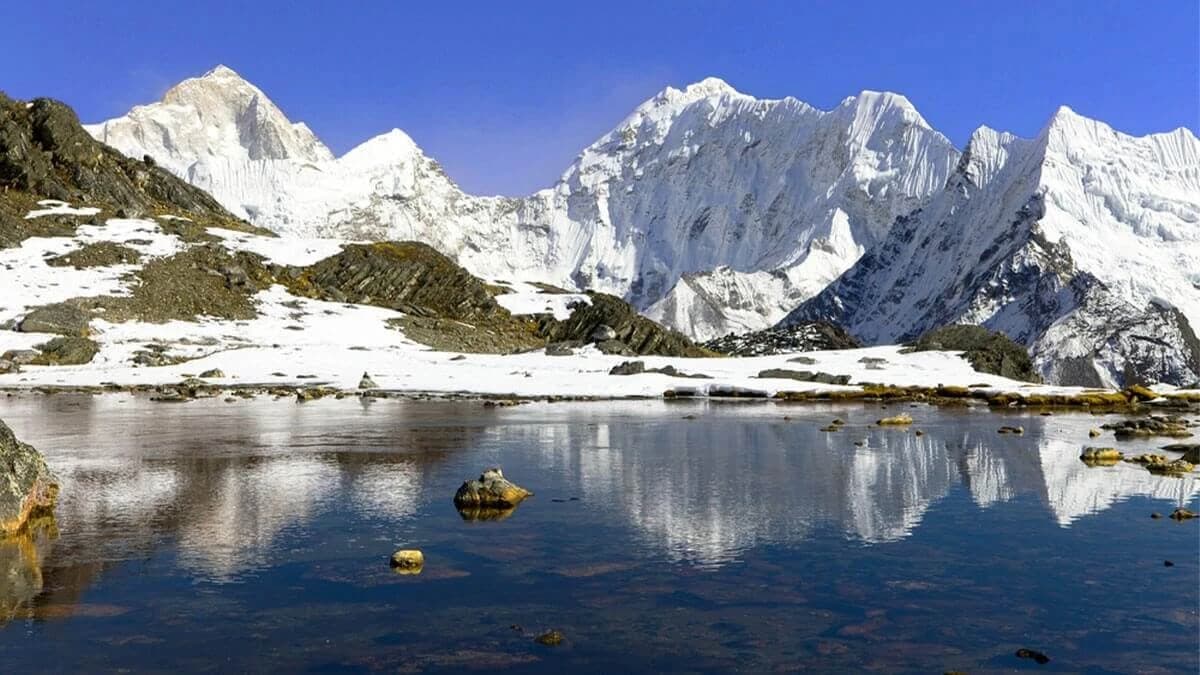
Makalu
Makalu Base Camp Trek - 18 Days

- DestinationNepal
- RegionMakalu
- Duration18 Days
- TransportationFlight + Drive
- Max Height5,000 m / 16,404 ft
- ActivitiesTrekking, Wildlife Watching
- Trip GradeStrenuous
- AccommodationTea House & Camping
- Group SizeMin. 2 Pax
- Best SeasonMar-May & Sep-Nov
- MealsB.L.D.
- Start / End PointTumlingtar
Introduction
The Makalu Base Camp Trek is one of Nepal's most spectacular and challenging adventure treks, taking you to the base of Mount Makalu (8,485m), the fifth highest mountain in the world. This remote trekking route in eastern Nepal offers an authentic wilderness experience through the pristine Makalu Barun National Park, home to rare wildlife including the red panda and snow leopard. Unlike the crowded trails of Everest and Annapurna, the Makalu Base Camp trekking route remains wonderfully remote, offering solitude seekers and adventure enthusiasts an unspoiled Himalayan experience with dramatic landscapes ranging from subtropical forests to high alpine terrain.
Makalu Base Camp Trek Highlights
- Stand at the base of Mount Makalu (8,485m), the world's fifth highest mountain
- Trek through pristine Makalu Barun National Park with unique biodiversity
- Experience true wilderness on one of Nepal's most remote trekking routes
- Witness spectacular views of Makalu, Everest, Lhotse, and Baruntse peaks
- Encounter diverse landscapes from subtropical jungle to high alpine terrain
- Explore traditional villages of Rai, Sherpa, and Tibetan ethnic communities
- Spot rare Himalayan wildlife including red pandas, snow leopards, and Himalayan black bears
- Cross high mountain passes including Shipton La Pass (4,210m)
- Experience authentic Himalayan culture away from tourist crowds
- Challenge yourself on one of the most adventurous treks in Nepal
Why Book the Makalu Base Camp Trek with Us?
- Expert guides with extensive Makalu region experience and wilderness training
- Small group sizes ensuring personalized attention and flexibility
- Comprehensive camping equipment and support staff included
- Pre-trek briefing covering remote area challenges and safety protocols
- 24/7 emergency support with satellite communication devices
- Experienced porters familiar with challenging terrain
- Quality camping meals prepared by trained high-altitude cooks
- Permits and logistics handled professionally
- Flexible itinerary with contingency days for weather
Makalu Base Camp Trek Itinerary
Arrive at Tribhuvan International Airport where our representative will meet you and transfer you to your hotel. Attend a comprehensive trek briefing covering the challenging nature of the Makalu Base Camp trek, required gear, and safety protocols for remote area trekking.
Take an early morning scenic flight to Tumlingtar in eastern Nepal, enjoying aerial views of the Himalayan range. From Tumlingtar, drive through terraced farmlands and subtropical forests to Chichila, passing through traditional villages and lush green landscapes.
Begin your Makalu Base Camp trekking adventure with a descent to the Arun River, one of Nepal's major rivers. Cross the suspension bridge and climb steeply through terraced fields and scattered villages to reach Num, a picturesque village with stunning valley views.
Descend through beautiful rhododendron and bamboo forests to the Barun Khola River. Cross the bridge and ascend gradually through traditional Sherpa and Rai villages. The trail passes through subtropical vegetation with occasional glimpses of waterfalls. Reach Seduwa, a large village that serves as the gateway to Makalu Barun National Park.
Enter Makalu Barun National Park and register at the checkpoint. Trek through dense forests of rhododendron, oak, and maple trees. The trail gradually ascends with occasional steep sections. Pass through small settlements and reach Tashigaon, the last permanent settlement before entering the high mountain region.
Begin a challenging ascent leaving behind the tree line. The trail becomes steeper as you climb through alpine meadows and rocky terrain. Cross several streams and enjoy increasingly spectacular mountain views. Reach Khongma Danda, a high grazing area with panoramic views of the surrounding peaks including Chamlang and Peak 6.
Crucial acclimatization day at Khongma Danda. Take a short hike to nearby ridges for acclimatization and stunning views of Makalu, Chamlang, Peak 6, and Peak 7. This rest day helps your body adjust to the altitude before heading higher. Explore the area, practice altitude breathing techniques, and enjoy the serene mountain environment.
Challenge yourself with a steep climb to Shipton La Pass (4,210m), named after the famous explorer Eric Shipton. From the pass, enjoy magnificent views of Makalu, Chamlang, Baruntse, and the surrounding peaks. Descend through rocky terrain and scree slopes to reach Dobate, a flat area beside a glacial stream.
Trek through pristine wilderness following the valley floor. Cross several glacial streams and pass through sparse vegetation. The trail offers stunning views of the surrounding peaks and glaciers. Watch for wildlife including Himalayan tahr, musk deer, and various bird species. Reach Yangri Kharka, a yak grazing area with dramatic mountain vistas.
Continue ascending through the glacial valley with increasingly barren and dramatic landscapes. The vegetation becomes sparse as you enter the high alpine zone. Cross moraines and rocky terrain with spectacular views of Makalu's massive south face. Reach Langmale Kharka, positioned at the foot of the Barun Glacier with outstanding views.
The highlight day of your Makalu Base Camp trek! Follow the lateral moraine of the Barun Glacier with breathtaking views throughout. The trail crosses rocky terrain and glacial moraines. Finally reach Makalu Base Camp, surrounded by towering peaks including Makalu (8,485m), Peak 6, Peak 7, and Baruntse. Spend time at base camp soaking in the incredible mountain scenery and the achievement of reaching this remote location.
Wake early to explore the base camp area and hike to higher viewpoints (up to 5,000m) for even more spectacular views of Makalu and surrounding peaks. Photographers will find countless opportunities. After thoroughly enjoying this remote Himalayan sanctuary, begin the descent back to Yangri Kharka, retracing your steps through the dramatic glacial landscape.
Descend through the beautiful Barun Valley, crossing streams and passing through varied terrain. The descent becomes easier as oxygen levels increase. Retrace your route through Dobate and climb back up to Shipton La Pass before descending to Khongma Danda. Enjoy the changing perspectives of the mountains and valleys.
Continue the descent from high alpine terrain back into forested zones. The trail becomes noticeably warmer and more lush as you lose altitude. Reach Tashigaon and enjoy the comfort of being back in a permanent settlement with more amenities.
Trek back through the beautiful forests of Makalu Barun National Park. Descend steadily through rhododendron and bamboo forests, passing through small villages. Cross the Barun Khola River and reach Seduwa. Celebrate your successful Makalu Base Camp trek completion.
Continue descending through terraced farmlands and traditional villages. Cross the Arun River and climb back up to Chichila, retracing your outbound route. Enjoy the warmer climate and lush vegetation of the lower elevations.
Drive back to Tumlingtar airport through scenic countryside. Board your flight back to Kathmandu, enjoying final views of the Himalayan range. Transfer to your hotel in Kathmandu where you can enjoy a hot shower and comfortable bed. Evening celebration dinner with your trekking team.
After breakfast, free time for last-minute shopping or sightseeing in Kathmandu. Our representative will transfer you to Tribhuvan International Airport for your departure flight, taking home unforgettable memories of your Makalu Base Camp trekking adventure.
Why This Trek?
The Makalu Base Camp Trek stands as one of Nepal's ultimate Himalayan adventures - a journey into genuine wilderness that few trekkers experience. While challenging and demanding, the rewards are extraordinary: standing beneath the world's fifth highest mountain in pristine isolation, trekking through one of the most biodiverse protected areas in the Himalayas, encountering authentic local cultures unchanged by mass tourism, and experiencing the raw beauty of the eastern Himalayan wilderness. This is adventure trekking in its purest form. If you're seeking an authentic, challenging, and profoundly rewarding Himalayan experience away from tourist crowds, the Makalu Base Camp Trek delivers unforgettable memories and a true sense of expedition achievement.
Ready to challenge yourself on one of Nepal's most spectacular remote treks? Book your Makalu Base Camp Trek today and embark on an authentic Himalayan adventure to the base of the world's fifth highest mountain. Whether you're an experienced high-altitude trekker seeking your next challenge or an adventure enthusiast ready for serious wilderness trekking, our expertly planned Makalu Base Camp itinerary ensures your safety and maximizes your chances of success. Contact us now to begin planning your Makalu Base Camp trekking adventure - limited departures available due to the remote nature and specialized logistics required. Don't miss this opportunity to trek one of the Himalayas' last great wilderness routes!
Trek Difficulty
The Makalu Base Camp Trek is classified as strenuous to very challenging, making it one of Nepal's most demanding treks. This remote Himalayan adventure requires excellent physical fitness, previous high-altitude trekking experience, and strong mental determination. The trek involves long daily walking hours (6-8 hours), steep ascents and descents, crossing high passes up to 4,210m, and reaching altitudes above 4,870m where oxygen levels are significantly reduced. The remote nature means limited facilities and potential challenges with weather and trail conditions.
Physical Fitness
Exceptional physical fitness is essential for the Makalu Base Camp trek. You should be capable of trekking 6-8 hours daily for consecutive days while carrying a daypack (5-7kg). Previous multi-day trekking experience, especially at high altitude (above 4,000m), is strongly recommended. Begin training at least 3-4 months before your trek with a comprehensive program including: cardiovascular exercises (running, cycling, swimming) 4-5 times weekly, hiking with a weighted backpack on inclines, leg strengthening exercises (squats, lunges, step-ups), and core stability work. Consider completing a practice trek at altitude if possible. The better your fitness, the more you'll enjoy this challenging adventure.
Altitude Sickness
Altitude sickness is a serious concern on the Makalu Base Camp Trek as you'll be spending multiple days above 3,500m and reaching nearly 5,000m. Acute Mountain Sickness (AMS) can affect anyone regardless of fitness level. The itinerary includes crucial acclimatization days, but you must follow proper altitude protocols: ascend gradually (no more than 500m per day above 3,000m), stay well-hydrated (4-5 liters daily), avoid alcohol and smoking, recognize AMS symptoms (headache, nausea, dizziness, fatigue), inform your guide immediately if symptoms appear, and be prepared to descend if symptoms worsen. Consult your doctor about Diamox (acetazolamide) for altitude sickness prevention. Never ignore altitude sickness symptoms - they can become life-threatening.
Preparation
Proper preparation is crucial for Makalu Base Camp trek success. Start physical training 3-4 months before departure focusing on cardio endurance and leg strength. Complete practice hikes with elevation gain, gradually increasing difficulty. Acclimatize if possible by spending time at higher elevations before the trek. Get a comprehensive medical checkup and discuss altitude sickness medication with your doctor. Research the trek thoroughly to understand the challenges. Prepare mentally for long, difficult days and basic facilities. Break in your trekking boots well before departure. Consider a practice trek in the Himalayas if this is your first high-altitude adventure. The Makalu region is remote - mental preparation for solitude and basic conditions is as important as physical fitness.
Cost & Budgeting
Budget overview
The Makalu Base Camp Trek cost typically ranges from $2,000 to $4,500 per person, making it more expensive than popular treks due to its remote location, camping requirements, longer duration, and additional logistics. The price varies based on group size, services included, guide and porter support, camping vs. teahouse accommodation mix, and trekking agency quality. Budget carefully and prioritize safety and quality over cost savings in this remote region.
Estimated cost breakdown
Saving tips
Join a group trek to share costs - solo trekking in Makalu region is significantly more expensive. Trek during shoulder seasons (late March-April, late October-November) for potentially lower prices but be prepared for variable weather. Book directly with local Nepali trekking agencies rather than international tour operators to reduce markup. However, in remote areas like Makalu, don't sacrifice safety or quality support staff for cost savings. The camping equipment, experienced guides, and proper support team are essential. Travel insurance with helicopter evacuation coverage (minimum $100,000) is non-negotiable for Makalu Base Camp trek. Some costs like permits and flights are fixed and cannot be reduced.
Best Time to Trek
The best time for Makalu Base Camp Trek is during pre-monsoon spring (March to May) and post-monsoon autumn (September to November). These seasons provide the most stable weather conditions, clearest mountain views, and safest trekking conditions in this remote region. Due to the trek's high altitude and remote location, timing your trek correctly is even more critical than for popular routes.
Spring
Spring season (March to May) is considered ideal for Makalu Base Camp trekking. March can still be cold with possible snow at higher elevations, but trails are generally clear. April and May offer warmer temperatures, blooming rhododendrons painting the forests in vibrant colors, and excellent visibility of Makalu and surrounding peaks. Daytime temperatures range from 10-15°C at lower elevations and -5 to 5°C at base camp. Nights remain cold. Spring sees fewer trekkers than autumn, offering more solitude. The main drawback is increasing afternoon clouds toward May, occasionally obscuring views. Wildlife sighting opportunities are excellent in spring.
Autumn
Autumn (September to November) is the peak season for Makalu Base Camp Trek, offering the most stable weather and crystal-clear skies. September can still have lingering monsoon showers, but by October, conditions are generally perfect with stable weather, excellent visibility, and comfortable temperatures. October and early November provide the best combination of clear skies, moderate temperatures (10-15°C at lower elevations, -5 to 5°C at base camp), and dry trails. Autumn is more popular than spring, though Makalu remains much less crowded than Everest or Annapurna treks. The main disadvantage is colder temperatures, especially at night and in November. Book accommodations and flights early during peak October season.
Monsoon
Monsoon season (June to August) is not recommended for Makalu Base Camp Trek. Heavy rainfall makes trails slippery and dangerous, rivers difficult to cross, and landslides common. The region receives significant monsoon precipitation, with trails becoming muddy and leeches prevalent in forested sections. Mountain views are usually obscured by clouds and mist. The Tumlingtar flight schedule becomes unreliable with frequent cancellations. Only experienced trekkers familiar with monsoon trekking should consider this season.
Winter
Winter (December to February) is extremely challenging for Makalu Base Camp Trek. High-altitude areas experience heavy snowfall, blocking high passes including Shipton La. Temperatures drop severely, reaching -15 to -25°C at base camp with wind chill. Many teahouses in higher areas close for winter. The trek becomes technically much more difficult and potentially dangerous. Only highly experienced winter mountaineers with proper equipment and support should attempt Makalu Base Camp in winter. Most trekking agencies don't operate trips during this period.
Weather in the Makalu region is notoriously unpredictable, even during optimal seasons. Spring (March-May): Daytime temperatures 10-15°C at lower altitudes, -5 to 5°C at base camp. Mornings generally clear with afternoon clouds. Autumn (September-November): Daytime temperatures 10-15°C at lower altitudes, -5 to 5°C at base camp. Generally stable with minimal precipitation. Nights are consistently cold year-round at high elevations, often dropping below -10°C at base camp. Be prepared for sudden weather changes, including unexpected snow even in good seasons. Wind can be fierce at high elevations and exposed areas. The remote location means limited weather forecasting - flexibility in your itinerary is essential.
Choose spring (April-May) if you prefer: warmer temperatures, fewer trekkers, blooming rhododendrons, and excellent wildlife viewing opportunities. Spring offers more solitude but slightly less stable weather. Choose autumn (October-early November) if you prefer: maximum weather stability, clearest mountain views, driest trails, and optimal trekking conditions. Autumn is more crowded but provides the best overall conditions. Avoid monsoon (June-August) completely due to heavy rain, landslides, and poor visibility. Avoid winter (December-February) unless you're an experienced winter mountaineer. For first-time Makalu trekkers, October is generally considered the single best month. Allow flexibility with 2-3 extra days for potential flight delays in any season.
Permits & Regulations
Overview
Trekking to Makalu Base Camp requires specific permits as the route passes through Makalu Barun National Park and restricted rural areas. Obtaining proper permits is mandatory and supports conservation efforts and local communities. All permits can be arranged through your trekking agency, which is highly recommended for the Makalu region due to its remote nature and complex permit requirements.
Makalu Barun National Park Entry Permit
Required for entry into Makalu Barun National Park, which encompasses the entire trekking route. This permit fee supports park conservation, trail maintenance, and protection of the unique biodiversity including endangered species like red pandas and snow leopards.
Sankhuwasabha Rural Municipality Permit
Local area permit required for trekking through the rural municipalities of Sankhuwasabha district. This permit fee directly benefits local communities and helps maintain trekking infrastructure in this remote region.
TIMS Card (Trekkers Information Management System)
Required for all trekkers in Nepal for safety and tracking purposes. Provides information to rescue teams in case of emergency. There are two types: FIT (individual trekkers) and Group (organized trek participants).
How to obtain
Permit acquisition for Makalu Base Camp Trek: Most efficiently obtained through your trekking agency as part of your package - highly recommended due to complexity and remote location. If arranging independently: Makalu Barun National Park Permit can be obtained at Nepal Tourism Board office in Kathmandu or at the park entrance in Seduwa (though Kathmandu is more reliable). Sankhuwasabha Rural Municipality Permit can be obtained in Kathmandu through trekking agencies or at district headquarters, though this is impractical for independent travelers. TIMS Card must be obtained in Kathmandu at Nepal Tourism Board or TAAN office. Required documents for all permits: Valid passport (minimum 6 months validity), passport-size photos (2-4 copies), completed application forms, and payment. Permit costs (approximately): Makalu Barun National Park ($30-40 for foreigners), Local Permit ($10-20), TIMS Card ($10-20). Prices may change - verify current rates. Processing typically takes 1-2 days in Kathmandu. Keep all permit copies safe and present them at checkpoints along the trek. Given the Makalu region's remoteness, strongly recommended to arrange all permits through a reputable trekking agency to avoid complications.
Accommodation & Food
Overview
Accommodation on the Makalu Base Camp Trek is a mix of basic teahouses in lower elevations and camping in higher, more remote areas. Unlike popular routes like Everest or Annapurna, infrastructure in the Makalu region is minimal, reflecting its remote and less-traveled nature. This adds to the adventure but requires realistic expectations about comfort levels and facilities.
Teahouses
Teahouse accommodation is available from Chichila to Tashigaon and on the return journey. These are very basic lodges run by local families, offering simple rooms with twin beds, thin mattresses, and blankets. Rooms are unheated, and facilities are minimal - expect shared squat toilets and no showers in many places. As altitude increases, facilities become even more basic. Hot water (when available) is extra and heated by solar or kerosene. Electricity is limited or nonexistent in higher villages. Above Tashigaon, accommodation shifts to camping as there are no permanent settlements. Camping sites include Khongma Danda, Dobate, Yangri Kharka, Langmale Kharka, and Makalu Base Camp. Your trekking agency provides all camping equipment including tents, sleeping mats, dining tent, toilet tent, and cooking equipment. Sleeping bags rated to -15°C minimum are essential (can be rented in Kathmandu). The camping experience adds to the adventure and wilderness feel of the Makalu trek. Nights are cold, especially at higher camps - proper cold-weather gear is non-negotiable.
Food
Food on the Makalu Base Camp Trek varies by location. In teahouse sections (lower elevations), menus offer a mix of Nepali, Tibetan, and some Western dishes: dal bhat (rice with lentil soup and vegetables - the staple and most nutritious option), noodle soups, fried rice, momos (dumplings), pasta, and potatoes prepared various ways. Fresh vegetables decrease as you gain altitude. In camping sections, your trekking team prepares all meals. Experienced high-altitude cooks prepare nutritious meals including breakfast (porridge, eggs, toast, pancakes), lunch (usually cooked at lunch spots), and dinner (soup, main course, dessert when possible). Food quality is generally good but options become limited at higher elevations due to logistics of transporting supplies. Portion sizes are typically generous to meet energy needs. Tea and coffee are widely available. Boiled water is provided but bring purification tablets or filters as backup. Energy-dense foods become more appealing at altitude as appetite often decreases.
High-altitude dining tips for Makalu Base Camp Trek: Eat regularly even if not hungry - your body needs fuel at altitude. Choose hot, easily digestible foods - soups are excellent. Dal bhat provides sustained energy and is freshly cooked - locals say "dal bhat power 24 hour!" Eat slowly and chew thoroughly as digestion slows at altitude. Avoid heavy, greasy, or spicy foods that can cause digestive issues. Stay hydrated - drink 4-5 liters of water daily (including tea and soups). Avoid alcohol completely as it exacerbates altitude sickness and dehydration. Reduce caffeine intake as it's a diuretic. Bring high-energy snacks (chocolate bars, nuts, energy bars, dried fruit) for trail munching. As altitude increases, your appetite may decrease significantly - eat anyway, focusing on carbohydrates. Be patient with meal preparation times, especially in camping - high-altitude cooking takes longer. Inform your guide of any dietary restrictions before the trek - vegetarian/vegan options available but choices are limited in remote areas. Don't waste food - supplies must be carried far in this remote region. Carry water purification method as reliable safe water sources become scarcer at higher elevations.
Packing List
Essential gear
Clothing Layers
Base layers: moisture-wicking thermal underwear (top and bottom) - 2 sets; Mid layers: fleece jacket or lightweight down jacket - 2; Insulation layer: heavy down jacket (-20°C rated minimum); Outer shell: waterproof and windproof jacket and pants; Trekking pants: 2-3 comfortable, quick-dry; Trekking shirts: 3-4 long-sleeve and 2-3 short-sleeve; Underwear and sports bras: 5-6 sets; Warm hat: wool or fleece beanie; Sun hat: wide-brimmed for sun protection; Buff or scarf: for wind/sun protection; Gloves: warm liner gloves and insulated waterproof shell gloves; Socks: 5-6 pairs wool or synthetic hiking socks
Footwear
Trekking boots: well broken-in, waterproof, ankle support, suitable for snow/ice; Camp shoes: lightweight sneakers or sandals for evenings; Gaiters: essential for snow sections and stream crossings
Backpack & Bags
Daypack: 30-40L for personal items during daily treks; Duffel bag: 80-100L for porter to carry (your agency may provide); Waterproof bags/covers: to protect gear from rain and river crossings; Stuff sacks: for organizing gear
Sleeping
Sleeping bag: -15°C to -20°C rated minimum (required for high camps); Sleeping bag liner: adds warmth and hygiene; Inflatable pillow: for comfort
Trekking Equipment
Trekking poles: absolutely essential for steep descents and stream crossings - adjustable; Headlamp: with extra batteries (LED type); Sunglasses: Category 4, 100% UV protection with side shields; Water bottles: 2x 1-liter (insulated recommended for high altitude); Water purification: tablets or filter system; Stuff sacks: waterproof dry bags for organizing
Personal Items
Sunscreen: SPF 50+ high altitude formula; Lip balm: SPF protection, multiple tubes; Toiletries: biodegradable soap, toothbrush/paste, toilet paper, hand sanitizer, wet wipes; Towel: quick-dry camping towel; First aid kit: personal medications, blister treatment, pain relievers, altitude sickness medication (Diamox), antibiotics, anti-diarrheal, rehydration salts; Insect repellent: for lower elevations
Technical & Electronics
Camera: with extra batteries and memory cards; Smartphone: for photos and emergency contact; Power bank: high capacity 20,000+ mAh; Charging cables: for all devices; Universal adapter: if needed; Headphones: for entertainment during rest; Watch: with altimeter function helpful; GPS device or app: optional but useful; Solar charger: optional, limited effectiveness
Documents & Money
Passport: with photocopies; Visa: Nepal entry visa; Permits: all trekking permits and copies; Travel insurance: documents and emergency contact numbers; Cash: Nepali Rupees (ATMs unavailable on trek) and USD; Credit/debit cards: backup; Passport photos: 4-6 extra copies; Emergency contacts: written list
Food & Hydration
Energy snacks: chocolate bars, energy bars, trail mix, dried fruits; Electrolyte powder: for hydration; Favorite treats: morale boosters from home
Optional
Book or e-reader for downtime; Journal and pen for recording experiences; Playing cards or small games; Binoculars for wildlife and distant mountain views; Trekking umbrella (doubles as sun/rain protection in lower sections); Pee bottle for night use at camps; Extra stuff sacks for dirty clothes separation; Duct tape and safety pins for repairs; Portable water filter or SteriPEN; Satellite phone or communication device (usually provided by agency); Trekking map of Makalu region; Altimeter watch (helpful for acclimatization monitoring)
What not to pack
Avoid heavy and bulky non-essential items that add pack weight. Don't bring: Cotton clothing (doesn't dry and loses insulation when wet), Jeans or heavy pants, Too many clothing changes (you'll wear same clothes multiple days), Hardcover books (heavy - bring e-reader or one paperback), Full-size toiletries (bring travel sizes), Hair dryer or styling tools (no electricity), Valuable jewelry (leave at home), Too many electronics (charging very limited), Excessive camera gear (bring essentials only), Work laptop (disconnect and enjoy), Single-use plastics (be environmentally responsible - Makalu Barun NP is pristine), Excessive personal items "just in case". Remember: Porters carry maximum 15kg (33 lbs) per person. Keep your duffel bag within this limit. Your daypack should carry 5-7kg with daily essentials. Every extra kilogram makes the trek harder at altitude. When in doubt, leave it out. You can buy basic items in Kathmandu if needed before the trek. The Makalu region is extremely remote - there's nowhere to buy forgotten items once you start trekking.
Guides & Support
Benefits of a guide
Hiring an experienced guide for Makalu Base Camp Trek is not just recommended - it's essential for safety and success. Unlike popular treks where trails are well-marked and facilities abundant, the Makalu region is remote and challenging. Benefits of a professional guide: Route navigation through remote wilderness where trails may be unclear or nonexistent in places; Altitude sickness monitoring and management - guides recognize symptoms and make critical decisions about ascending or descending; Emergency response including evacuation coordination, first aid, and communication with rescue services; Cultural interpretation of Rai, Sherpa, and local traditions, enhancing your experience; Language translation with locals, teahouse owners, and in villages; Permit and logistics handling including checkpoint registrations; Weather interpretation and itinerary adjustments based on conditions; Local knowledge about best campsites, water sources, and safe routes; Wildlife identification in Makalu Barun National Park; Support and motivation during difficult sections; Negotiation of services and fair pricing in teahouses; Social benefits - guides are often great companions sharing local stories and culture. In the Makalu region specifically, a guide can mean the difference between a successful trek and a dangerous situation. The remoteness means rescue can take days if something goes wrong.
How to choose
Selecting the right guide for Makalu Base Camp Trek is crucial. Look for these qualifications: Government of Nepal licensed trekking guide certification (verify license); Extensive experience specifically in the Makalu region - not just Everest or Annapurna; Minimum 5-7 years guiding experience with proven track record; Wilderness first aid or first responder certification; Strong English language skills (or your preferred language); Excellent physical fitness for the demanding route; Knowledge of altitude sickness prevention and treatment; Emergency evacuation experience and protocols; Good references and reviews from previous clients; Professional appearance and communication; Fair and transparent pricing without hidden costs; Proper insurance for guides and support staff. Questions to ask potential guides: How many times have you guided Makalu Base Camp Trek? What's your highest altitude guiding experience? What's your emergency action plan if altitude sickness occurs? Are you trained in first aid? What communication devices do you carry for emergencies? What's included in your guiding fee? Can you provide references from previous Makalu trekkers? Are you familiar with local communities along the route? Booking through a reputable Nepali trekking agency often ensures properly qualified guides, appropriate insurance, and reliable support. For Makalu specifically, choose agencies specializing in remote and camping treks, not just standard teahouse routes. Meet your guide in person in Kathmandu before the trek if possible. Trust your instincts - you'll be spending 18 days together in challenging conditions. The guide-client relationship is critical for trek success and enjoyment, especially in remote areas like Makalu where you're truly dependent on their expertise.