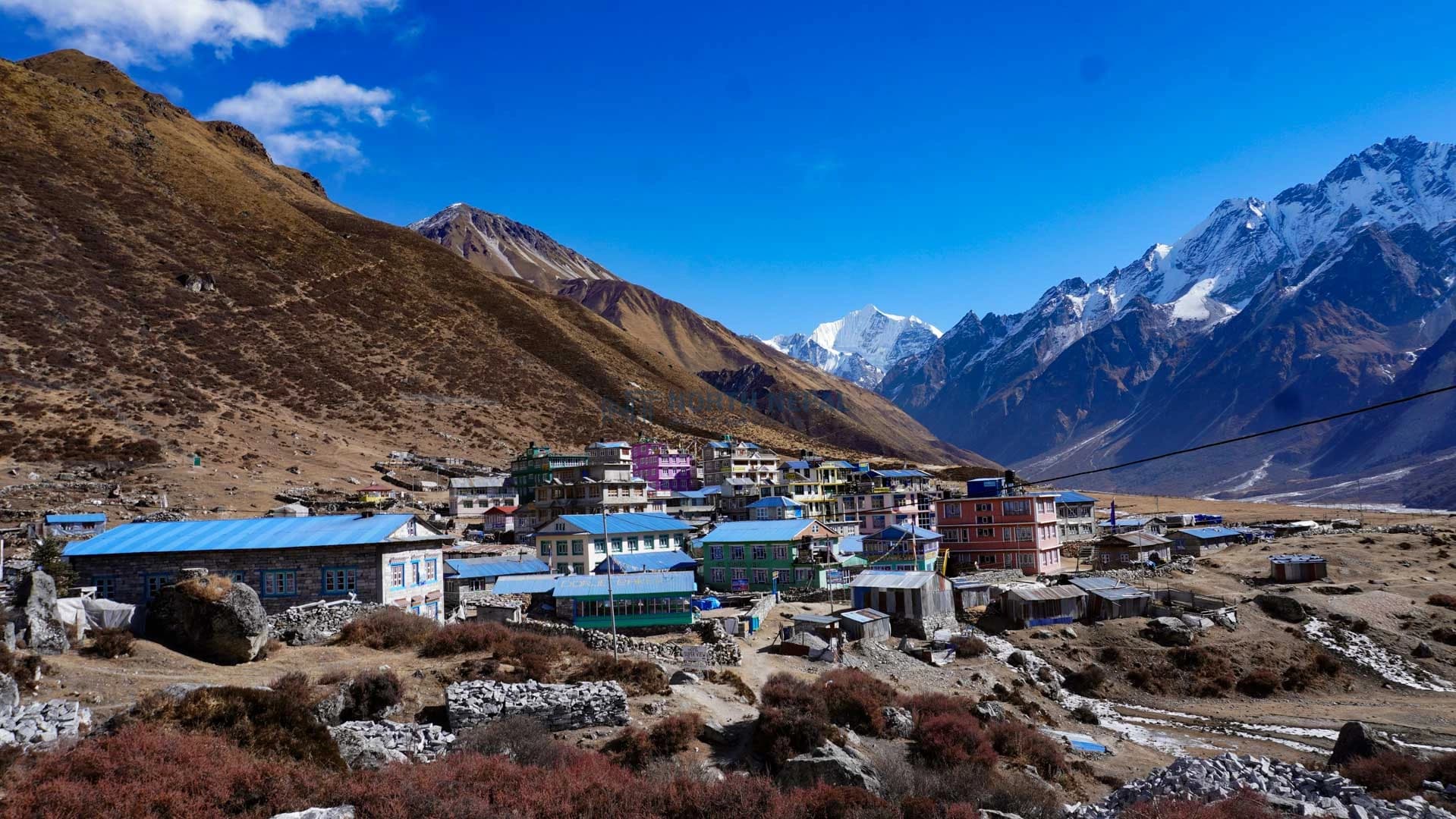
Manaslu
Manaslu Circuit Trek - 14 Days

- DestinationNepal
- RegionManaslu
- Duration14 Days
- TransportationPrivate Vehicle
- Max Height5,160 m / 16,929 ft
- ActivitiesTrekking
- Trip GradeStrenuous
- AccommodationTea House
- Group SizeMin. 2 Pax
- Best SeasonSep-Nov & Mar-May
- MealsB.L.D.
- Start / End PointSoti Khola - Dharapani
Introduction
The Manaslu Circuit Trek is one of Nepal's most spectacular and rewarding adventures, circumnavigating Manaslu (8,163m), the world's eighth highest mountain. This challenging trek takes you through remote valleys, ancient Tibetan Buddhist villages, and over the dramatic Larkya La Pass (5,160m), all while following a route that sees only a fraction of the crowds on the Annapurna Circuit or Everest Base Camp. The Manaslu region was only opened to foreign trekkers in 1991 and remains a restricted area requiring special permits, which helps preserve its pristine character and authentic culture. The trek offers an incredible diversity of landscapes - from subtropical forests with cascading waterfalls to high alpine deserts, from terraced fields to glacial moraines. You'll walk through traditional villages where Tibetan Buddhist culture thrives unchanged for centuries, spinning prayer wheels, visiting ancient monasteries, and witnessing daily life in remote mountain communities. The highlight is crossing Larkya La Pass at 5,160m, a challenging but breathtaking day with panoramic views of Manaslu, Himlung Himal, Cheo Himal, Kang Guru, and Annapurna II. The Manaslu Circuit is often called "the next Annapurna Circuit" - offering similar diversity and mountain grandeur but with far fewer trekkers and a more authentic wilderness experience. The route follows the Budhi Gandaki river valley northward before crossing into the Marsyangdi valley, creating a complete circuit with constantly changing scenery. For experienced trekkers seeking adventure, solitude, rich culture, and dramatic Himalayan landscapes, Manaslu Circuit delivers an unforgettable journey that rivals Nepal's more famous routes while retaining its wild, remote character.
Manaslu Circuit Trek Highlights
- Circumnavigate Manaslu (8,163m), the world's eighth highest mountain
- Cross the challenging Larkya La Pass (5,160m) with spectacular Himalayan panoramas
- Experience authentic Tibetan Buddhist culture in remote villages like Samagaon and Samdo
- Trek through pristine valleys with far fewer crowds than Annapurna or Everest routes
- Visit ancient monasteries including Pungyen Gompa and Ribung Gompa
- Walk through diverse landscapes from subtropical jungle to high alpine desert
- Witness traditional village life largely unchanged for centuries
- Enjoy close-up views of Manaslu, Himlung Himal, Ganesh Himal, and Annapurna ranges
- Explore a restricted area requiring special permits (limited trekker numbers)
Why Book the Manaslu Circuit Trek with Us?
- Expert Manaslu region guides with 8+ years experience
- 100% Guaranteed Departures - all dates confirmed
- Special Permit Arrangement - we handle all restricted area permits
- Optimal Acclimatization Schedule - proven itinerary for Larkya La success
- 24/7 Emergency Support including satellite communication
- Small Groups (max 10 people) for personalized experience
- Quality Equipment Provided - sleeping bags, down jackets, duffel bags
- Experienced Larkya La Pass Crossing Strategy
- Cultural Immersion - guides explain Tibetan Buddhist traditions
- Flexible Itinerary with built-in acclimatization days
Manaslu Circuit Trek Itinerary
Arrive at Tribhuvan International Airport in Kathmandu. Our team will greet you with traditional khada scarves and transfer you to your hotel in Thamel, the tourist hub. After settling in, attend a comprehensive trek briefing where we'll discuss the Manaslu Circuit route in detail, review the challenging itinerary including Larkya La Pass strategy, explain restricted area permit requirements, cover altitude acclimatization protocols, and answer all your questions. This is also when you can rent any needed equipment - sleeping bags, down jackets, trekking poles. The Manaslu Circuit is a serious high-altitude trek requiring good preparation and understanding of what to expect. We'll check your gear list to ensure you have everything needed for the challenging conditions ahead. In the evening, explore Thamel's restaurants and shops, or simply rest and recover from your journey. Tomorrow we drive to the trek starting point.
After an early breakfast, begin a long but scenic drive from Kathmandu to Soti Khola (710m), the starting point of the Manaslu Circuit Trek. The drive takes 7-8 hours covering approximately 140km. Leave Kathmandu on the Prithvi Highway heading west toward Pokhara. The road follows the Trishuli River through terraced hillsides and traditional villages. Stop at Malekhu for lunch and a break. At Dhading Besi, turn north onto a rougher mountain road that climbs into the hills. The road becomes bumpy and narrow as you ascend through beautiful countryside. Pass through Abu Khaireni and Arughat, the district headquarters. From Arughat, continue on a rough jeep track along the Budhi Gandaki river valley. The scenery becomes more dramatic as you enter the Manaslu Conservation Area. The road winds along the river, crossing several suspension bridges and passing small villages. Finally reach Soti Khola, a small settlement beside the Budhi Gandaki River. Check into a basic teahouse for the night. The long drive is tiring but necessary to reach the trek starting point. Rest well as tomorrow you begin the actual trekking.
Begin your Manaslu Circuit adventure! The trail follows the Budhi Gandaki river upstream through a beautiful gorge. Start with a gentle walk along the riverbank before crossing a suspension bridge to the east bank. The trail undulates along the river, climbing up and down over rocky sections and through small settlements. Pass through Khursane village with its terraced fields and traditional houses. Continue climbing on a sometimes exposed trail carved into the cliffside high above the rushing river. The gorge is narrow and dramatic with waterfalls cascading down jungle-covered slopes. Cross back to the west bank on another suspension bridge and continue to Labubesi village (880m). The trail continues following the river through lush subtropical forest with bamboo, banana plants, and rich vegetation. Cross several more small streams and pass the hamlet of Khola Beshi before a final climb to Machha Khola (930m), meaning "Fish River." This small village sits at the confluence of two rivers. Check into a basic but comfortable teahouse. Today's relatively easy trek helps you adjust to walking with a backpack and sets the rhythm for the journey ahead.
Today involves more challenging terrain with several steep climbs and descents. The trail crosses to the east bank and climbs steeply through forest before descending to Khorlabesi. Cross a suspension bridge and climb again on a narrow trail that winds high above the river on an exposed cliffside - spectacular but requiring focus. Descend to Tatopani (930m) where natural hot springs emerge beside the river. Continue climbing through terraced fields and small settlements. The trail becomes more dramatic, carved into vertical cliffs hundreds of meters above the raging Budhi Gandaki. This section requires care, especially if wet. Pass through Dobhan (1,070m) and continue ascending. Cross the river again on a suspension bridge and climb steeply to Thado Bharyang. The landscape gradually transitions from subtropical to temperate forest. Finally reach Jagat (1,410m), an important checkpoint village where you'll register your special permits for the Manaslu Conservation Area. Jagat means "stopping place" in Nepali, historically a rest stop for traders and travelers. The village has several teahouses offering more comfort than previous nights. Today was physically demanding but the scenery has been spectacular throughout.
After registering permits at the Jagat checkpoint, continue upstream. The valley begins to widen and the cultural landscape shifts noticeably. Cross to the west bank and climb through beautiful forest with pine, rhododendron, and bamboo. Reach Salleri village and continue to Sirdibas (1,430m), where the valley opens up with terraced fields and a more gentle landscape. Cross a long suspension bridge over the Budhi Gandaki and climb on the east bank through forest. The vegetation becomes lusher with orchids and ferns. Pass through Philim (1,590m), a large Gurung village with traditional stone houses, prayer wheels, and Buddhist chortens marking the cultural transition into the Tibetan Buddhist region. The architecture changes noticeably - houses now have flat roofs and colorful prayer flags flutter everywhere. Continue climbing through forest before descending slightly to cross a river. Pass through Ekle Bhatti (1,600m) and continue ascending to Deng (1,804m), a small village with a few teahouses. The settlement sits in a narrow valley surrounded by terraced fields. Buddhist influence is strong here with mani walls (stone walls carved with prayers), prayer flags, and small chortens. You're now in the cultural heartland of the Manaslu region.
Today you gain significant altitude, climbing from 1,804m to 2,630m. The trail climbs steeply through forest from Deng before reaching Rana (1,910m), a village with traditional wooden houses. Continue climbing through pine and rhododendron forest with occasional glimpses of Manaslu appearing ahead. The landscape opens up as you gain altitude. Cross a suspension bridge to the west bank and climb to Bihi Phedi (2,130m). The valley widens dramatically and views improve. Continue ascending through alpine meadows and scattered juniper trees. Pass through Ghap (2,160m), a beautiful village with typical flat-roofed stone houses adorned with prayer flags. The architecture is distinctly Tibetan with ornately carved wooden windows and doors. From Ghap, climb steadily with increasingly spectacular mountain views. Manaslu (8,163m) dominates the skyline ahead, its massive north face rising thousands of meters. Also see Ganesh Himal to the south. Finally reach Namrung (2,630m), a large picturesque village built on a hillside with stunning mountain views. The village has several teahouses, a monastery, and traditional houses. Buddhist culture is very strong here - prayer wheels line the trail, flags flutter from every house, and locals practice their ancient traditions. Namrung offers the first really clear views of Manaslu - take lots of photos from the village!
Today you gain significant altitude again, so take it slowly and stay well hydrated. The trail climbs gradually through alpine landscape with spectacular mountain views throughout. Pass through Lihi (2,900m), a beautiful village where locals wear traditional Tibetan-style clothing. Notice the distinct cultural elements - Buddhist stupas, mani walls with thousands of prayer stones, and prayer wheels. The landscape is increasingly barren and high-altitude. Continue climbing with Manaslu dominating the view ahead, joined by Manaslu North, Peak 29 (Ngadi Chuli), and other giants. Pass through Sho (3,000m) where you'll register at another permit checkpoint. From here, climb through open terrain with yak pastures and stone corrals. The vegetation is sparse at this altitude - just low shrubs and grasses. Reach Lho (3,180m), a fascinating village built on a hillside with a beautiful monastery (Ribung Gompa) perched above. If you have energy, climb 15 minutes to visit the monastery for stunning views and cultural immersion. Continue ascending gradually to Shyala (3,520m) before a final short climb to Samagaon (3,530m), the largest village in the upper Budhi Gandaki valley. This ancient settlement sits in a dramatic location with Manaslu towering directly above and Pungyen Glacier extending from the mountain. Samagaon has several teahouses, shops, a monastery (Pungyen Gompa), and a strong Tibetan Buddhist culture. The village serves as our acclimatization base for the next two nights. Rest and hydrate well.
Today is a crucial acclimatization day before crossing Larkya La Pass. The principle "climb high, sleep low" helps your body adjust. You have several excellent options: Option 1 - Hike to Manaslu Base Camp (4,800m): This challenging 6-7 hour round trip takes you to the base camp used by Manaslu climbing expeditions. Trek north from Samagaon through alpine terrain past Pungyen Glacier. The route offers spectacular close-up views of Manaslu's north face with its hanging glaciers and ice seracs. Reach the rocky amphitheater of Base Camp for incredible views before returning. This is the best acclimatization option. Option 2 - Hike to Birendra Lake (3,691m): A shorter 3-4 hour round trip to a beautiful glacial lake below the Pungyen Glacier. The turquoise lake sits in a dramatic bowl surrounded by high peaks. Excellent views and good acclimatization. Option 3 - Visit Pungyen Gompa and explore Samagaon: Climb 30 minutes to the monastery perched on the hillside above the village. Explore the gompa, spin prayer wheels, and enjoy spectacular views. Then wander through Samagaon visiting the local school, speaking with villagers, and immersing in Tibetan culture. This is the easiest option but still beneficial. Most trekkers choose Option 1 or 2 for maximum acclimatization benefit. After your excursion, rest in the afternoon. Drink plenty of water (3-4 liters today), eat well even if appetite is reduced, avoid alcohol, and prepare gear for the next challenging days. Your guide will check everyone for altitude sickness symptoms.
Today is a short day to aid acclimatization before the pass crossing. The trail descends slightly from Samagaon before climbing gradually along the valley. Walk through alpine meadows with yaks grazing and herders' stone shelters. The landscape is increasingly barren - you're now in the rain shadow of the Himalayas creating a semi-arid, almost Tibetan plateau environment. Pass Kermo Kharka, a yak pasture settlement used seasonally by herders. The trail follows the Budhi Gandaki valley northward with dramatic mountain views. The valley is wide and windswept at this altitude. Continue ascending gradually through rocky terrain before reaching Samdo (3,860m), a small ancient trading village that historically did business with Tibet across the Larkya La Pass. The village sits in a stark but beautiful location surrounded by high peaks. Samdo has basic teahouses and a small monastery. The Tibetan Buddhist culture is very strong - this is the last permanent settlement before the pass. After arriving early (around noon), you have the afternoon to rest and acclimatize. Optional short hike: walk 30-45 minutes up the valley toward the Tibetan border for views and acclimatization. Historically, traders from Samdo would cross into Tibet via passes to the north. The border is now closed but the landscape gives a sense of the ancient trade routes. Return to Samdo for the evening. Prepare gear for tomorrow's trek to Dharmasala, the base camp for Larkya La crossing.
Another short but important day preparing for the pass crossing. From Samdo, descend to the Budhi Gandaki river and cross a wooden bridge. The trail turns west and begins climbing toward the Larkya La. Ascend gradually through high-altitude desert landscape with sparse vegetation and dramatic rock formations. The valley is barren and windswept but beautiful in its starkness. Pass occasional mani walls and chortens marking the ancient trade route. Continue ascending steadily through a rocky landscape. The air is noticeably thinner now at this altitude. Reach Dharmasala (4,460m), also called Larkya Phedi (meaning "foot of Larkya"). This is not a village but rather a very basic shelter camp with 2-3 extremely rustic stone lodges built specifically for trekkers preparing to cross the pass. Accommodation is minimal - small wooden rooms with thin mattresses, no electricity, minimal heating, and basic facilities. The lodges are functional shelters, nothing more. However, the location is spectacular - surrounded by high peaks with the Larkya Glacier visible ahead. Arrive early afternoon (around 1-2 PM) giving maximum time to rest. This is the highest you'll sleep before the pass crossing. Drink plenty of water, eat well even without appetite, and rest completely. Prepare all your gear for tomorrow's very long and challenging day. Pack your backpack tonight so you can leave early. Go to bed early (by 8 PM) as you'll wake at 3-4 AM tomorrow for the pass crossing. Your guide will brief everyone on tomorrow's strategy.
Today is the highlight and biggest challenge of the Manaslu Circuit - crossing Larkya La Pass at 5,160m. Wake at 3-4 AM and dress in all your warm layers. Have a quick breakfast and start by 4-5 AM with headlamps. The early start is crucial to cross the pass before afternoon winds and potential weather. Begin climbing in the darkness from Dharmasala on a rocky trail. The climb is gradual initially but steadily ascending. As dawn breaks, watch the surrounding peaks illuminate in spectacular alpenglow. Continue climbing across a rocky landscape with occasional ice and snow patches. The trail becomes steeper as you approach the pass. At this altitude, every step requires effort - walk very slowly and steadily, breathing deeply. Take frequent short breaks but don't stop too long in the cold. After 4-5 hours of climbing, reach Larkya La Pass (5,160m), marked with prayer flags fluttering in the wind and a small stone cairn. The summit panorama is absolutely breathtaking - one of the finest mountain views in Nepal. See Himlung Himal (7,126m), Cheo Himal (6,820m), Kang Guru (6,981m), Annapurna II (7,937m), and dozens of other peaks in every direction. Behind you, Manaslu dominates. The 360-degree vista is overwhelming. Spend 15-30 minutes taking photos, celebrating your achievement, and simply absorbing this incredible moment. Then begin the long descent. The descent from the pass is steep and demanding on knees - use trekking poles. Descend across rocky moraines and scree before the trail becomes more defined. Pass several small frozen lakes in the high valley. Continue descending through increasingly green landscape as you lose altitude. The vegetation gradually returns - first just grasses, then shrubs, then scattered trees. After 3-4 hours of descent, reach Bimthang (3,720m), a beautiful high meadow with several teahouses. The setting is spectacular with Manaslu visible behind and other peaks surrounding the valley. Celebrate your successful pass crossing! You've completed the most challenging section of the trek.
Today you descend significantly, dropping 1,420 meters from Bimthang to Tilije. The descent is good for acclimatization, bringing you back to more comfortable altitudes. Start with a descent across high meadows before the trail drops steeply through forest. The vegetation changes dramatically as you lose altitude - from alpine meadows to rhododendron forests to subtropical vegetation. Descend through beautiful pine and rhododendron forest (spectacular if trekking in spring when rhododendrons bloom). The trail is steep and hard on knees, so take it slowly. Cross several streams and small landslide areas. Pass through Hompuk, a summer grazing area, and continue descending. The valley narrows and the Dudh Khola river rushes below. Reach Karche (2,785m) and continue descending through forest. Pass Gho village and finally reach Tilije (2,300m), a beautiful Manangi village built in traditional style with flat roofs and wooden balconies. The architecture here is similar to what you'll see in the Annapurna Circuit's Manang region - you're now connected to that cultural zone. Tilije has several teahouses offering more comfort than higher elevations. The warmer temperature and thicker air feel wonderful after the high altitude days.
Your final trekking day! Continue descending through the Dudh Khola valley. The trail passes through beautiful forest and traditional villages. Cross the river on a suspension bridge and continue through Thonje village. Soon you'll reach Dharapani (1,860m), a major junction village where the Manaslu Circuit connects with the Annapurna Circuit. This village sits at the confluence of the Dudh Khola and Marsyangdi rivers. Dharapani has several lodges catering to trekkers on both circuits. The village marks the end of your Manaslu Circuit Trek - you've successfully circumnavigated the eighth highest mountain in the world! Check into a teahouse and celebrate your achievement with your guide and porters. Reflect on the incredible journey from Soti Khola through remote valleys, Tibetan villages, and over the high Larkya La Pass. Share stories and photos with fellow trekkers. Enjoy a celebratory dinner. Tomorrow you drive back to civilization.
After breakfast, walk 1 hour from Dharapani to the roadhead at Syange (1,100m) or sometimes vehicles can drive to Tal or Jagat depending on road conditions. The road is being extended progressively. Meet your private vehicle and begin the long drive back to either Kathmandu (8-9 hours) or Pokhara (5-6 hours) depending on your plans. The drive retraces the route through the Marsyangdi valley with views of terraced hillsides and traditional villages. Stop for lunch along the way. If driving to Pokhara, arrive in the afternoon and check into your lakeside hotel. If driving to Kathmandu, arrive in the evening. Enjoy a hot shower, charge your devices, and celebrate the completion of one of Nepal's most spectacular treks! In the evening, perhaps enjoy a nice meal at a restaurant and share stories of your adventure. You've completed the Manaslu Circuit - a significant trekking achievement that few people accomplish.
After breakfast, depending on your flight schedule, you have free time in Kathmandu or Pokhara. If in Kathmandu, options include visiting UNESCO World Heritage Sites (Swayambhunath, Boudhanath, Pashupatinath, Patan Durbar Square), shopping for souvenirs in Thamel, or simply relaxing and recovering. If in Pokhara, enjoy lakeside cafes, visit the International Mountain Museum, or arrange adventure activities. When it's time, transfer to the airport for your departure flight. Take with you unforgettable memories of circumnavigating Manaslu, crossing Larkya La Pass, experiencing Tibetan Buddhist culture, and completing one of the world's great wilderness treks. The Manaslu Circuit is an achievement to be proud of. Safe travels and thank you for this incredible journey!
Why This Trek?
The Manaslu Circuit Trek is a true Himalayan adventure that delivers everything serious trekkers dream of - remote wilderness, authentic Tibetan Buddhist culture, spectacular mountain scenery, and the profound challenge of crossing a 5,160m pass. Circumnavigating Manaslu, the world's eighth highest mountain, is an achievement that places you among a relatively small group of trekkers who have completed one of Nepal's great routes. The trek offers the perfect balance: infrastructure sufficient for comfortable teahouse trekking but not overdeveloped like Annapurna Circuit, enough fellow trekkers for safety and social interaction but not overwhelming crowds, stunning mountain panoramas rivaling Everest region but with authentic cultural experiences, and serious high-altitude challenge but achievable for well-prepared trekkers. The moment you stand atop Larkya La Pass with Himalayan giants surrounding you in every direction is transformative - the physical accomplishment, the breathtaking beauty, and the profound sense of being in one of Earth's most spectacular places combine into a memory that lasts forever. Beyond the mountains, the cultural richness of ancient Tibetan villages like Samagaon and Samdo, where prayer wheels spin and monasteries echo with chants, provides deep insights into mountain life. This trek proves that Nepal still has pristine routes where wilderness and authentic culture prevail. The Manaslu Circuit is often called "the next Annapurna Circuit" but it's really its own unique journey - equally spectacular but more wild, more challenging, and more rewarding for those willing to embrace its remote character.
Ready to take on one of Nepal's greatest trekking challenges? Book your Manaslu Circuit Trek today and embark on an epic 14-day journey circumnavigating the world's eighth highest mountain! Our expert guides have led dozens of successful Manaslu treks, our proven itinerary maximizes acclimatization for safe Larkya La crossing, and our comprehensive support ensures your comfort and safety in this remote region. We handle all special permits, logistics, and guide arrangements so you can focus on the incredible experience. Perfect for experienced trekkers seeking wilderness adventure, authentic culture, and serious high-altitude challenge away from tourist crowds. Contact us now for special group discounts (best value for groups of 4+), flexible custom itineraries, and instant confirmation. Limited spaces available due to special permit requirements - book early especially for October departures. Secure your spot today for the adventure of a lifetime circumnavigating magnificent Manaslu!
Trek Difficulty
The Manaslu Circuit Trek is classified as strenuous difficulty and is one of Nepal's most challenging teahouse treks. The trek reaches 5,160m at Larkya La Pass with a demanding crossing day involving 8-10 hours of trekking at extreme altitude. The route is more remote and less developed than Annapurna Circuit or Everest Base Camp, requiring self-sufficiency, strong fitness, and mental resilience. This trek is only suitable for experienced trekkers with previous high-altitude experience.
Physical Fitness
Excellent physical fitness is absolutely essential for the Manaslu Circuit. You must be able to trek 6-8 hours per day for 12 consecutive days, often on steep, rocky terrain at high altitude. The Larkya La Pass crossing day requires 8-10 hours of trekking with 700m ascent and 1,440m descent, all above 4,000m altitude. Recommended preparation (minimum 3-4 months): Cardiovascular training 5-6 days per week (running, cycling, swimming) building to 60-90 minute sessions at high intensity. Weekend long hikes (6-8 hours) with significant elevation gain (1,000m+) carrying full trekking weight (10-12kg). Back-to-back hiking days to simulate multi-day trekking fatigue. Stair climbing or step machine workouts (climb equivalent of 100+ floors continuously). Leg strengthening exercises (squats, lunges, step-ups) 3 times per week for steep descents. Core strengthening for stability on uneven terrain. Practice hikes at altitude if possible, though not essential. If possible, complete a preparatory high-altitude trek (like Annapurna Base Camp) 1-2 months before Manaslu to test fitness and gear. The Manaslu Circuit is significantly more demanding than ABC or Poon Hill - do not attempt as your first high-altitude trek. Previous experience at 4,000m+ altitude is strongly recommended.
Altitude Sickness
Altitude sickness is a very serious concern on the Manaslu Circuit as you reach 5,160m at Larkya La Pass. The itinerary includes two crucial acclimatization days (Samagaon and Samdo area) to help your body adjust. However, the pass crossing is still extremely high and challenging. Common symptoms include headache, nausea, fatigue, dizziness, difficulty sleeping, loss of appetite, and shortness of breath. Severe symptoms (confusion, difficulty walking, severe breathlessness, coughing fluid) require immediate descent and possible evacuation. Prevention strategies: Follow the itinerary without rushing - the acclimatization days are essential, ascend gradually above 3,000m (maximum 500m altitude gain per day), drink 4-5 liters of fluids daily (dehydration worsens altitude effects), eat regular meals even without appetite, avoid alcohol and smoking completely, consider Diamox (acetazolamide) after consulting your doctor - many trekkers use it preventatively, recognize symptoms early and inform guide immediately, be prepared to descend if symptoms worsen - this is not failure but smart mountain practice, and rest completely on acclimatization days even if feeling strong. The Larkya La crossing day is the highest risk day - your guide will monitor everyone carefully and may decide to turn back individuals showing symptoms. Approximately 30-40% of trekkers experience mild altitude symptoms (manageable with rest and hydration), while 5-10% experience moderate symptoms requiring extra rest days or descent. Your guide is trained in altitude sickness recognition and emergency response. Never hide symptoms from your guide.
Preparation
Begin serious preparation 3-4 months before departure. Physical training as described above is crucial - the Manaslu Circuit requires excellent fitness. Mental preparation is equally important: understand this is a serious undertaking requiring determination, discomfort tolerance, and mental resilience. Research the route thoroughly by reading trip reports and watching videos. Prepare for basic accommodation, simple food, cold temperatures, and challenging days. Develop strategies for maintaining motivation during difficult sections. Practice mindfulness or meditation for mental clarity at altitude. Arrange comprehensive medical checkup to ensure you're healthy for extreme high-altitude trekking. Get dental checkup - dental issues at high altitude are miserable. Update all vaccinations (hepatitis A/B, typhoid, tetanus, rabies recommended). Arrange travel insurance covering trekking up to 6,000m and helicopter evacuation (mandatory!). Train with your actual trekking boots and gear - break in boots thoroughly. Test all equipment on practice hikes including sleeping bag, backpack, layers. If possible, spend time at 2,500-3,000m altitude before the trek to begin acclimatization. Consider altitude pre-acclimatization training if available. Most importantly, be honest about your fitness and experience - the Manaslu Circuit is not suitable for everyone.
Cost & Budgeting
Budget overview
The Manaslu Circuit Trek typically costs between $1,200 to $2,500 per person for a 14-day trek, making it more expensive than Annapurna Circuit due to restricted area permit costs and requirement for guide and minimum group size. The major cost drivers are special permits, guide/porter requirements (mandatory for Manaslu), transportation, and the longer duration.
Estimated cost breakdown
Saving tips
Trek during shoulder seasons (March or late November) for potentially lower prices but check weather. Join group treks to share permit and guide costs - solo trekking Manaslu is very expensive due to minimum group requirements. Book with Kathmandu agencies rather than international operators to avoid markup. Bring your own snacks and energy food from Kathmandu - much cheaper than buying on trail. Order dal bhat which typically includes unlimited refills - best value for nutrition and cost. Bring water purification system instead of buying bottled water. Minimize hot showers and WiFi usage - both are expensive and availability limited. Stay at basic teahouses rather than "best" options - all are similar on this route. However, do NOT compromise on experienced guide quality - safety is paramount and worth the investment. The special permits ($200+) and mandatory guide are fixed costs you cannot reduce. Accept that Manaslu is an expensive trek due to restricted area status - it's worth the investment for this incredible experience.
Best Time to Trek
The best times for the Manaslu Circuit Trek are autumn (September to November) and spring (March to May), with October and late March/April being optimal. Due to the high Larkya La Pass (5,160m), choosing the right season is crucial for safety and success.
Spring
Spring (March to May) offers excellent trekking conditions with warming temperatures and blooming landscapes. Early spring (March) can still be quite cold at high altitude with snow remaining on Larkya La Pass - crampons or microspikes may be needed. Late March and April are ideal with moderate temperatures, generally clear skies, and manageable snow conditions. Daytime temperatures at lower elevations reach 15-25°C (59-77°F), at Samagaon/Samdo 10-15°C (50-59°F), and at Dharmasala 0-5°C (32-41°F). Larkya La Pass temperatures at crossing time (early morning) range from -10 to -15°C (14-5°F). Rhododendron forests at lower elevations bloom spectacularly in April. May becomes warmer but increasingly cloudy with pre-monsoon weather patterns - afternoon clouds and occasional rain are common. Visibility is excellent in March-April but decreases in May. Spring sees moderate crowds - significantly less than autumn but more than in past years as Manaslu gains popularity. Villages are lively with spring activities. Spring is ideal if you prefer warmer temperatures, blooming landscapes, fewer trekkers than autumn, and don't mind some afternoon clouds in May.
Autumn
Autumn (September to November) is the most popular season and offers the most reliable conditions. Post-monsoon air is crystal clear providing the best mountain visibility of the year. September still has some residual monsoon moisture and occasional afternoon showers, but weather improves by late month. October is the peak season with perfect conditions - clear blue skies, stable weather, comfortable daytime temperatures, and the highest pass success rate. The trail is busier in October but still much quieter than Annapurna Circuit. November offers equally excellent visibility but significantly colder temperatures, especially at night and high altitude. Late November sees very few trekkers and can have early winter snow affecting the pass. Temperatures: lower elevations 15-20°C (59-68°F) daytime, Samagaon/Samdo 5-12°C (41-54°F) daytime and -5 to -10°C (23-14°F) nighttime, Dharmasala -5 to 0°C (23-32°F) daytime and -15 to -20°C (5 to -4°F) nighttime, and Larkya La Pass -15 to -20°C (5 to -4°F) at crossing time. The landscape is lush green from monsoon rains. All teahouses are fully operational. Autumn is ideal if you prioritize the clearest mountain views, most stable weather, highest pass success rate, and don't mind cold nights and more trekkers in October.
Monsoon
Monsoon season (June to August) is very challenging and not recommended for Manaslu Circuit. Daily heavy rain makes trails muddy, slippery, and dangerous - landslides and rockfalls are common hazards. The Budhi Gandaki valley is particularly prone to landslides in monsoon. Mountain views are almost always obscured by clouds - you may trek for days without seeing Manaslu. Leeches are extremely common in lower elevation forests. River crossings become dangerous with high water levels. The pass can be impassable due to heavy snow and poor visibility. Helicopter rescue is difficult or impossible in monsoon weather. However, a few experienced monsoon trekkers do attempt it: very few other trekkers (you may have trails to yourself), significantly lower prices, lush green valleys, and dramatic waterfalls. If you must trek during monsoon: have very flexible schedule (2-3 extra contingency days), bring excellent waterproof gear, accept that views will be very limited, be prepared for possible trail closures or reroutings, and have backup plans if the pass is impassable. Only for very experienced monsoon trekkers - not recommended for most people.
Winter
Winter (December to February) is extremely challenging and only suitable for experienced winter mountaineers. Days are generally clear and sunny with excellent mountain views - often as clear as autumn. However, extreme cold creates serious challenges: temperatures at lower elevations 5-15°C (41-59°F) daytime and -5 to 0°C (23-32°F) nighttime, Samagaon/Samdo 0-8°C (32-46°F) daytime and -15 to -25°C (-5 to -13°F) nighttime, Dharmasala -10 to -5°C (14-23°F) daytime and -25 to -30°C (-13 to -22°F) nighttime, and Larkya La Pass -20 to -30°C (-4 to -22°F) at crossing time with severe windchill. Heavy snow accumulation on Larkya La often makes the pass impassable - many trekkers turn back. The pass crossing requires technical winter equipment (crampons, ice axe, proper winter boots). Days are very short (sunrise ~7 AM, sunset ~5:30 PM). Many teahouses at higher elevations close for winter. You need expedition-quality winter gear and clothing. Only a handful of trekkers attempt Manaslu in winter. Success rate for crossing the pass is only 30-50% in winter. Winter is only for very experienced winter trekkers with proper equipment who accept high risk of not completing the circuit.
Weather on Manaslu Circuit varies dramatically by altitude, season, and valley location. The Budhi Gandaki valley in the lower sections is subtropical and humid. The upper valley around Samagaon becomes increasingly arid, similar to the Tibetan plateau. Larkya La Pass is extremely exposed to wind and weather. Mornings typically start clear with clouds building in afternoon, especially in spring. Weather can change very rapidly at high altitude. The pass can experience sudden storms, whiteout conditions, and dangerous winds even in good seasons. Always check weather forecasts in Kathmandu and at Samagaon before attempting the pass. Be prepared to wait an extra day at Dharmasala if conditions are dangerous. Your guide's weather assessment and pass crossing decision should be trusted completely - they know the dangers.
Choose spring (late March to mid-April) if you want warmer temperatures, blooming rhododendrons, fewer trekkers than autumn, and are flexible with potential snow on the pass. Choose autumn (October to mid-November) if you prioritize clearest mountain views, most stable weather, highest pass success rate, and don't mind cold nights and more trekkers. Avoid monsoon (June-August) unless you're an experienced monsoon trekker accepting very limited views and significant hazards. Avoid winter (December-February) unless you're an experienced winter mountaineer with proper equipment. For most trekkers, October offers the best overall conditions, while late March/early April provides excellent spring alternative.
Permits & Regulations
Overview
The Manaslu region is a restricted area requiring special permits in addition to standard conservation area permits. All trekkers must be on an organized trek with a registered agency and guide - independent trekking is not allowed. Minimum group size is 2 people (or you pay for 2 permits if solo). The permit system helps preserve the region's pristine character and limits trekker numbers.
Manaslu Restricted Area Permit (RAP)
Required for all trekkers entering the Manaslu restricted area. This special permit was introduced when the region opened to foreigners in 1991 and remains in effect to control trekker numbers and preserve culture. Cost varies by season: September-November: $100 USD per week or part thereof (most trekkers need 2 weeks = $200), December-August: $75 USD per week or part thereof. The permit must be obtained through a registered trekking agency - individual trekkers cannot apply directly.
Manaslu Conservation Area Permit (MCAP)
Required to enter the Manaslu Conservation Area. Fees support conservation projects, trail maintenance, and community development. Cost: NPR 3,000 (approximately $30 USD) for foreigners, NPR 1,000 for SAARC nationals.
Annapurna Conservation Area Permit (ACAP)
Required because the trek exits through Dharapani which is in the Annapurna Conservation Area. Cost: NPR 3,000 (approximately $30 USD) for foreigners, NPR 1,000 for SAARC nationals.
TIMS Card
Trekkers Information Management System card for safety tracking. Since Manaslu requires organized treks, you'll get the Group TIMS. Cost: NPR 1,000 (approximately $10 USD) for organized groups.
How to obtain
All permits must be arranged through a registered trekking agency - this is mandatory for Manaslu. Individual trekkers cannot obtain the Restricted Area Permit themselves. The process: Choose a reputable trekking agency in Kathmandu. Provide your passport copy, 3-4 passport photos, and trek dates. The agency will prepare all permit applications on your behalf. Permits take 1-2 days to process in Kathmandu. You must be part of a group of minimum 2 trekkers. If you're solo, you must pay for 2 permits or join another solo trekker. The permits will be checked at multiple points: Jagat (first checkpoint), Samagaon, Samdo, and sometimes at Dharapani. Keep all permits accessible throughout the trek. Take photos of permits on your phone as backup. The agency handles everything - you just need to provide documents and payment. Budget approximately $280-300 total for all four permits depending on season and whether you need 1 or 2 weeks for the RAP.
Accommodation & Food
Overview
Accommodation on the Manaslu Circuit is more basic than on the Annapurna Circuit or Everest Base Camp routes, but has improved significantly in recent years as the trek gains popularity. Expect simple teahouse lodging throughout with facilities becoming more basic at higher elevations. The route was only opened in 1991 so infrastructure is less developed than older trekking routes.
Teahouses
Teahouses on the Manaslu Circuit vary by location and altitude. Lower elevations (Soti Khola to Deng, 700-1,800m): Basic lodges with twin-bedded rooms, thin mattresses, shared bathrooms with squat toilets, limited hot water availability (solar or gas heaters), simple dining rooms, and basic electricity from solar panels or generators. Mid-elevations (Namrung to Samagaon, 2,600-3,500m): Similar facilities to lower areas, some lodges have attached bathrooms, hot showers available for $3-5, dining rooms with wood or yak-dung stoves, limited electricity (charging available for fee), and increasingly Tibetan-style architecture and hospitality. High elevations (Samdo and Dharmasala, 3,860-4,460m): Very basic facilities, small rooms with thin mattresses and minimal blankets, outdoor shared pit toilets, no showers available, dining areas cramped with basic stoves, no electricity except occasional solar lights, and Dharmasala is extremely basic shelter-style lodging. At Dharmasala, expect absolutely minimal comfort - think mountain refuge rather than lodge. Post-pass (Bimthang to Dharapani, 3,720-1,860m): Improving facilities, similar to mid-elevation teahouses. Bring a high-quality sleeping bag rated to -15°C minimum as blankets provided are inadequate, especially at high elevations. During peak season (October), popular teahouses fill up - arrive early (by 2-3 PM) or book ahead through your guide. Off-season, some lodges may close. The teahouses are run by local families (Gurung, Tibetan, and Manangi peoples) who are generally friendly and hospitable despite limited English.
Food
Food on the Manaslu Circuit is simple but adequate, with menus becoming more limited at higher elevations. Lower to mid-elevations: dal bhat (rice and lentils with vegetables - unlimited refills, always the best choice), noodle dishes (chow mein, thukpa soup, instant noodles), fried rice, momos (dumplings - vegetable or meat), pasta dishes, soups (vegetable, garlic, noodle), eggs (boiled, fried, omelet), Tibetan bread, pancakes, porridge, and hot drinks (tea, coffee, hot chocolate, hot lemon). Food is freshly cooked and generally good quality. High elevations (Samdo and Dharmasala): Very limited menu due to supply difficulties. Expect dal bhat, simple noodle soup, instant noodles, basic fried rice, eggs when available, tea, and hot water. Variety is minimal but portions adequate. Prices increase significantly with altitude: lower sections $4-6 per meal, mid-sections $6-9, Samagaon/Samdo $8-12, Dharmasala $10-15. Dal bhat remains best value with unlimited refills at all elevations. Food quality is generally good but expectations should be realistic - you're in a remote region with limited supply routes. Fresh vegetables scarce above Samagaon. Meat refrigeration limited so vegetarian options are safer. Hot tea and soup always available and important for hydration.
Follow these essential guidelines: Always eat dinner at your accommodation teahouse - this unwritten rule allows cheap room rates. Dal bhat is your best friend - unlimited refills make it excellent value and it provides sustained energy. Order early, especially at high-altitude lodges with small kitchens and limited staff. Be very patient - cooking takes time and kitchens serve everyone sequentially. Stay exceptionally well hydrated - drink 4-5 liters per day including water, hot tea, and soups. Hot lemon honey tea is excellent for throat and hydration. Avoid excessive raw vegetables above Namrung where water quality is questionable. Bring comprehensive water purification (tablets or filter) - bottled water is expensive and environmentally harmful. Eat regular meals even without appetite - altitude suppresses hunger but your body desperately needs fuel. Simple carbohydrate-rich foods (rice, noodles, potatoes) are easiest to digest at altitude. Avoid meat above Samagaon - refrigeration limited and freshness questionable. Order vegetarian for safety. Absolutely avoid alcohol which severely worsens altitude effects. Bring substantial supplementary snacks from Kathmandu (energy bars, nuts, chocolate, electrolyte powder) as trail snacking options are very limited. Accept that food variety decreases dramatically above Samagaon - embrace simplicity. Hot meals for breakfast and dinner, packed lunch or cold lunch on trail - this is standard.
Packing List
Essential gear
Clothing - Upper Body
Moisture-wicking thermal base layers (2-3 sets - essential for layering at high altitude), fleece mid-layer jacket, insulated down jacket (high quality - essential for high altitude), heavy expedition-weight down jacket or parka for Larkya La crossing, waterproof and windproof shell jacket (must be high quality and reliable), 2-3 long-sleeve quick-dry shirts, warm beanie or wool hat, balaclava or face mask (essential for pass crossing), sun hat with brim and neck protection, expedition-quality warm gloves or mittens (essential), liner gloves for layering, buff or scarf for face and neck protection in wind
Clothing - Lower Body
Trekking pants (2 pairs, quick-dry), thermal leggings or long underwear (2 pairs - essential), insulated trekking pants or down pants for high altitude, waterproof rain pants or shell pants, comfortable underwear (6-7 pairs, moisture-wicking), sports bras for women (3-4)
Footwear
High-quality waterproof trekking boots with excellent ankle support (absolutely essential - broken in thoroughly!), warm insulated boots or boot liners for Larkya La (optional but recommended for cold sensitivity), camp shoes or sandals for teahouses, 6-8 pairs trekking socks (moisture-wicking), 3-4 pairs heavy wool socks for high altitude, gaiters (highly recommended for snow and scree), microspikes or light crampons (essential for March trekking, recommended October-November for ice patches)
Backpack & Bags
Main backpack 65-75 liters (if carrying all gear) or daypack 35-45 liters (if using porter), waterproof pack cover (essential - rain and snow common), multiple dry bags or waterproof stuff sacks for organization and protection, compression stuff sacks for clothing, small lock for securing main bag at teahouses
Sleeping
Four-season sleeping bag rated to -20°C minimum (absolutely essential - blankets totally inadequate at Dharmasala), sleeping bag liner for extra warmth and hygiene, inflatable sleeping pad (optional but recommended for extra insulation from cold floors), inflatable pillow for comfort
Trekking Equipment
Trekking poles (essential - crucial for Larkya La ascent and especially descent), headlamp with extra batteries (essential for pre-dawn pass crossing), sunglasses with UV protection Category 4 (essential for snow glare at pass), ski goggles (optional but useful in snow/wind at pass), 3 water bottles (1 liter each) or hydration bladder (3 liters total capacity), insulated bottle cover or thermos for hot drinks at altitude, water purification tablets and/or filter system (both recommended), comprehensive first aid kit including blister treatment, altitude sickness medication (Diamox - consult doctor before trek), personal medications, emergency whistle
Personal Items
Sunscreen SPF 50+ (UV extremely strong at altitude), lip balm with high SPF, heavy-duty moisturizer (air extremely dry), toiletries (toothbrush, toothpaste, biodegradable soap), quick-dry towel, toilet paper and wet wipes (bring substantial supply), hand sanitizer, antibacterial wipes, personal prescription medications (bring extra), pain relievers (ibuprofen, paracetamol), antibiotic cream, comprehensive blister treatment kit, nail clippers, small mirror
Documents & Money
Passport with valid Nepal visa, all permits (RAP, MCAP, ACAP, TIMS), travel insurance documents (must cover up to 6,000m and helicopter evacuation), passport photos (4-5 extra), substantial cash in Nepali Rupees (NO ATMs after Kathmandu - bring complete amount needed), emergency cash in US Dollars, credit card as backup, photocopies of all important documents, emergency contact information, guide and agency contact details
Electronics
Camera with extra batteries and memory cards (cold drains batteries fast), smartphone with offline maps and trekking apps, very high-capacity power bank 25,000+ mAh (charging very limited on route), solar charger (highly recommended for this long trek), all charging cables and adapters, universal power adapter (Nepal Type C, D, M plugs), waterproof bags and cases for all electronics, spare batteries for headlamp and camera
Safety & Emergency
Detailed trekking map of Manaslu Circuit, compass and/or GPS device, emergency space blanket, lighter or waterproof matches, duct tape for repairs, safety pins, sewing kit, paracord or rope, emergency whistle attached to pack, personal locator beacon (optional but recommended for serious emergencies)
Optional
Book or Kindle for rest time, journal and pen for recording this epic journey, playing cards or games, binoculars for wildlife and distant mountain views, lightweight camp chair for comfort at teahouses, spare prescription eyeglasses or contact lenses, earplugs (teahouses can be noisy), eye mask for better sleep in shared rooms, favorite snacks and treats from home (morale boosters), electrolyte powder and rehydration salts, additional medical supplies based on personal needs, trekking umbrella (useful at lower elevations), stuff sacks in various sizes, carabiners for organization, zip ties for repairs, notebook for altitude tracking
What not to pack
Absolutely avoid overpacking - every kilogram is a burden on this long, challenging trek! Do NOT bring: excessive clothing (plan to re-wear items - you can wash at some locations), any cotton clothing whatsoever (provides zero warmth when wet - only synthetic or wool), heavy jeans or casual pants, unnecessary toiletries (bring absolute minimum in travel sizes), hair styling tools or cosmetics, expensive jewelry or valuables (risk of loss), too many books (one book or Kindle maximum), full-size towel (quick-dry only), multiple pairs of shoes (one boot, one camp shoe maximum), laptop or tablet unless absolutely essential for work, non-essential electronics that require charging, excessive medications beyond reasonable first aid, single-use plastics (environmentally harmful and no disposal), heavy camera gear unless you're serious photographer. CRITICAL: Porter weight limit is strictly 15kg (33 lbs) per person for main bag - pack within this limit or pay extra for additional porter. Your daypack should be under 8kg including water and daily essentials. Pack smart, pack light - you'll thank yourself on steep climbs!
Guides & Support
Benefits of a guide
Hiring an experienced guide for Manaslu Circuit is mandatory by law - independent trekking is not permitted in this restricted area. Beyond the legal requirement, expert guides provide crucial benefits: Expert navigation on this remote route where trails can be unclear, especially in snow or fog. Altitude sickness monitoring and management - guides recognize symptoms early and make critical health decisions. Larkya La Pass weather assessment and crossing strategy - guides know when conditions are safe vs. dangerous. Emergency response including first aid, evacuation coordination, and satellite communication. Cultural interpretation of Tibetan Buddhist villages, monasteries, and traditions - enriches the entire experience. Language assistance communicating with locals in Gurung, Tibetan, and Nepali. Permit facilitation and checkpoint management. Teahouse selection and booking ensuring best available accommodation. Trail condition updates and route adjustments based on current conditions. Photography assistance at key viewpoints. Support and motivation during challenging days. Connection to local communities and authentic cultural experiences. Peace of mind knowing an expert is responsible for logistics and safety.
How to choose
Selecting the right guide is absolutely critical for Manaslu Circuit success and safety: Official government licensing - verify guide has proper trekking guide license from Nepal Tourism Board or NATHM. Extensive Manaslu-specific experience - minimum 5+ treks leading the circuit, ideally 10+. Ask how many times they've successfully crossed Larkya La Pass. High-altitude experience and comfort at 5,000m+. Larkya La Pass expertise - understanding weather patterns, snow conditions, and when to turn back for safety. Strong English communication skills (or your language) - test this during initial contact. Current wilderness first aid certification and high-altitude rescue training. Altitude sickness recognition and treatment knowledge. Emergency evacuation procedures and satellite phone access. Physical fitness - guide must be very comfortable at extreme altitude and able to handle tough conditions. Weather assessment skills - crucial for pass crossing decisions. Cultural knowledge of Tibetan Buddhist traditions and local communities. Recent positive reviews from previous Manaslu trekkers - check TripAdvisor, Google reviews, ask agency for references. Fair employment with proper insurance, equipment, and working conditions. Personal compatibility - you'll spend 2 weeks together in challenging conditions. Cost - expect to pay $35-45 per day for quality experienced guides. Very cheap guides may lack experience or proper training. Local Manaslu region guides (from Gorkha district) often have deepest route knowledge. Book through highly reputable agencies with proven Manaslu track record. Interview your guide before committing if possible.