Manaslu
Nar Phu Valley Trek - 16 Days

- DestinationNepal
- RegionManaslu
- Duration16 Days
- TransportationDrive + Optional Flight
- Max Height5,322 m / 17,460 ft
- ActivitiesHigh-Altitude Trekking, Cultural Exploration, Monastery Visits, Adventure
- Trip GradeStrenuous to Challenging
- AccommodationVery Basic Tea House & Homestay
- Group SizeMin. 2 Pax
- Best SeasonMay-Jun & Sep-Oct
- MealsB.L.D.
- Start / End PointKoto/Dharapani
Introduction
The Nar Phu Valley Trek is an extraordinary journey into one of Nepal's most remote and restricted regions, a medieval Tibetan enclave that remained completely closed to outsiders until 2002. This challenging 16-day adventure combines the hidden valleys of Nar and Phu with the classic Annapurna Circuit, taking you through dramatic canyons, past ancient fortified villages clinging to cliffs, across high passes including Kang La (5,322m), and into a time capsule of authentic Tibetan culture. Trek through landscapes so remote and dramatic they seem otherworldly - narrow gorges where cliffs tower thousands of feet overhead, medieval villages with fortress-like architecture, ancient monasteries holding priceless Buddhist treasures, and trails carved into sheer rock faces. With fewer than 1,000 trekkers annually visiting Nar Phu (compared to 100,000+ on standard Annapurna Circuit), you'll experience the Himalayas as explorers did generations ago - raw, authentic, and profoundly transformative. This is adventure trekking at its finest.
Nar Phu Valley Trek Highlights
- Cross dramatic Kang La Pass (5,322m) from Nar to Ngawal with stunning panoramas
- Explore ancient fortified villages of Nar and Phu - medieval Tibetan architecture
- Trek through spectacular narrow gorges and canyons with 2,000ft cliff walls
- Visit centuries-old monasteries with priceless Buddhist art and manuscripts
- Experience authentic Tibetan culture virtually unchanged for 1,000 years
- Combine restricted Nar Phu with classic Annapurna Circuit highlights
- Witness rare Himalayan wildlife: blue sheep, snow leopards (tracks), Tibetan wolves
- Trek trails carved into sheer cliffs - dramatic and thrilling
- Fewer than 1,000 trekkers annually - extraordinary solitude and authenticity
Why Book the Nar Phu Valley Trek with Us?
- Expert Nar Phu specialist guides with 10+ years regional experience
- Restricted area permit processing and coordination (complex bureaucracy)
- Small groups maximizing safety and cultural sensitivity
- Kang La Pass crossing expertise and weather monitoring
- Cultural protocol briefings for medieval village visits
- Tibetan language skills for upper valley communication
- Emergency evacuation planning for remote sections
- Quality equipment provided (if needed) for high-altitude pass
- Homestay arrangements in authentic village homes
- Support for sustainable tourism preserving fragile culture
- 24/7 safety coordination and satellite communication
Nar Phu Valley Trek Itinerary
Early morning departure from Kathmandu on a long but scenic drive following the Prithvi Highway through terraced hillsides and alongside rivers. Pass through Dumre, Besisahar, and continue on rough mountain roads through Bahundanda, Jagat, and Chamje. The road follows the Marsyangdi River valley with views of Manaslu range. Drive becomes rougher but increasingly scenic. Arrive at Dharapani, a village on the Annapurna Circuit where you begin trekking tomorrow. Check permits at police checkpoint. Rest after long drive day.
Begin trekking on the Annapurna Circuit trail ascending through beautiful pine and oak forests. Pass through Bagarchhap, a traditional village marking entry into the Manang district. Continue through Danakyu and Timang villages with increasingly Tibetan cultural influences. Cross several suspension bridges over the Marsyangdi River. Arrive at Koto, the gateway to the restricted Nar Phu Valley. This is where you leave the main Annapurna Circuit and branch into the hidden valley. Permit verification at checkpoint - your restricted area permit is thoroughly checked. Prepare for entering one of Nepal's most remote regions tomorrow.
Enter the Nar Phu Valley! Cross the bridge over the Marsyangdi and begin the dramatic ascent into one of Nepal's most spectacular gorges. The trail enters a narrow canyon where sheer rock walls tower 2,000+ feet on both sides - absolutely jaw-dropping scenery. Walk on trails carved into cliff faces and cross wooden bridges over the roaring Phu Khola river far below. Several sections traverse narrow ledges with exposed drops (thrilling but safe with careful footing). This is one of Nepal's most dramatic trekking days! The landscape is raw and otherworldly. Reach Meta, a small settlement at the canyon's upper end. Very basic teahouse accommodation. The remoteness is palpable.
Continue ascending the valley through increasingly barren, windswept landscape reminiscent of Tibet. The vegetation disappears as you enter the high-altitude zone. Pass through Kyang with its ancient chortens and mani walls. The trail offers spectacular views of Himlung Himal and other peaks forming the Nepal-Tibet border. Reach Phu village (also called Phu Gaon), one of the most remote and extraordinary villages in Nepal. This medieval Tibetan settlement clings to the mountainside with 200+ stone houses stacked vertically like a fortress. Flat roofs, narrow alleyways, prayer flags everywhere, and dramatic cliff backdrop create an otherworldly scene. Time seems stopped here - this is how Himalayan villages looked 1,000 years ago. Explore the ancient monastery, interact with locals (who are genuinely fascinated by visitors), and absorb the profound isolation.
Full acclimatization and exploration day in Phu. Morning: Visit Tashi Lhakhang Monastery, an ancient gompa with rare Buddhist art, thangkas, and manuscripts. Monks welcome visitors and may share butter tea. Hike to nearby viewpoints for spectacular valley panoramas. Option: Day excursion toward Himlung Himal Base Camp (4,900m) for closer mountain views and better acclimatization - challenging 6-7 hour round trip. Afternoon: Explore Phu's narrow stone alleys, visit local homes (with permission), observe traditional life, watch women weaving and men working fields. Evening: Rest and prepare for tomorrow's trek to Nar. This acclimatization day is crucial for safely crossing Kang La Pass later. Absorb the medieval atmosphere - you're in one of Asia's most remote inhabited places.
Retrace steps down the valley from Phu through dramatic landscapes. The descent is easier and offers different perspectives of the spectacular gorge scenery. Pass through Meta and continue to the junction where the Nar valley branches off. Cross the bridge and begin ascending the Nar valley - equally dramatic but different character from Phu. Pass through narrow sections with cliff-carved trails. Reach Nar Phedi ("foot of Nar"), a small settlement used as base for visiting Nar village. Basic teahouse. Rest and prepare for tomorrow's exploration of Nar.
Short but steep ascent to Nar village, arguably even more spectacular than Phu! The trail climbs through rocky terrain with prayer flags marking the way. Nar appears suddenly - a stunning medieval village built on a dramatic hillside with enormous cliffs forming the backdrop. The village has about 200 stone houses with flat roofs, ancient monastery, chortens, and an almost surreal setting. It feels like a hidden kingdom. Visit Tashi Choling Monastery, an ancient gompa perched high above the village with incredible valley views and religious treasures. Explore the village's maze-like alleys, meet locals, and observe traditional life. Nar is more tourist-aware than Phu but equally authentic. Spectacular sunset views over the Annapurna range. Rest and prepare for the challenging Kang La Pass crossing tomorrow.
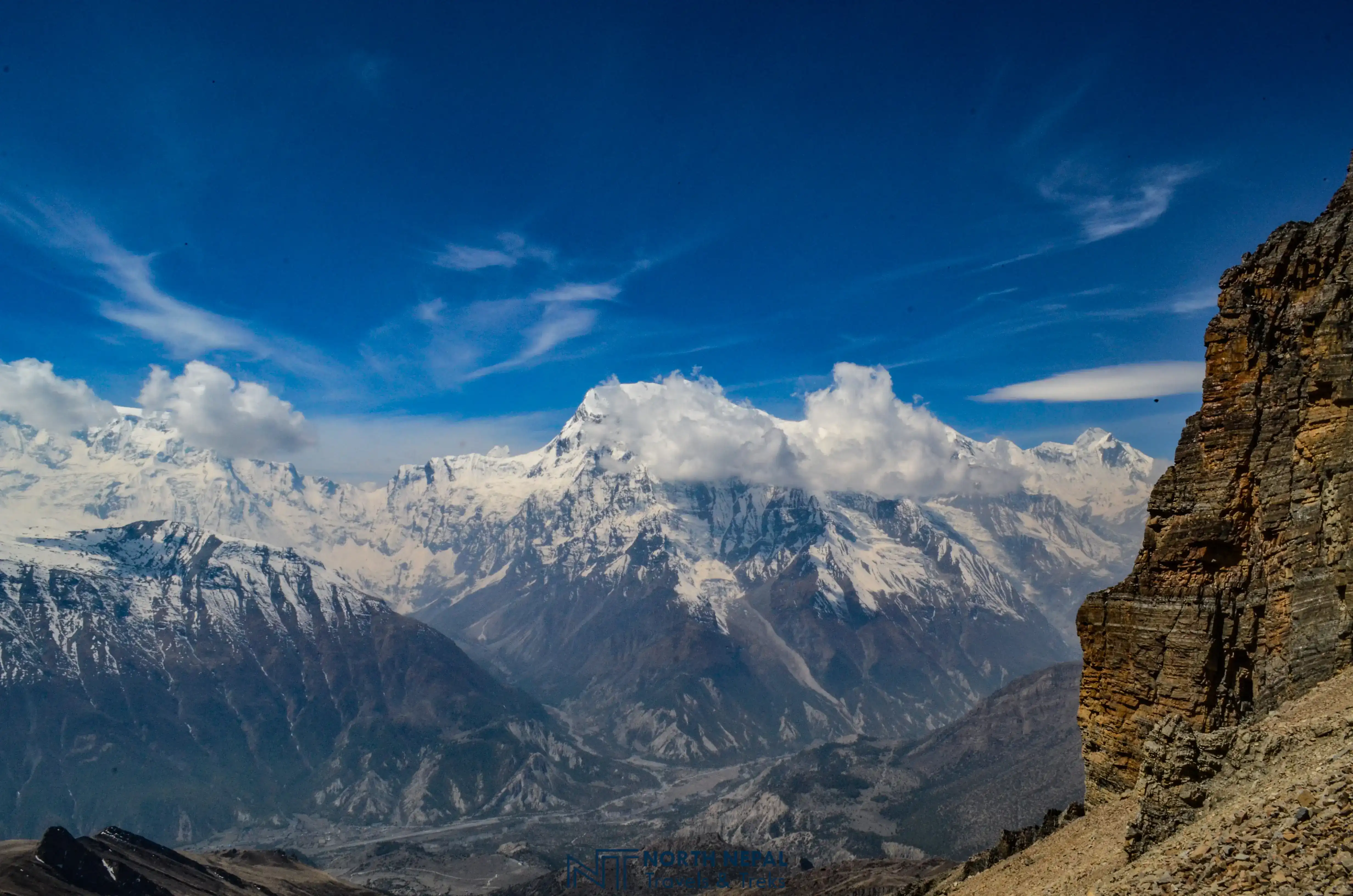
THE BIG DAY! Early start (4-5 AM) for the challenging Kang La Pass crossing - one of Nepal's most spectacular high passes. Steep climb from Nar gaining 1,200m elevation through rocky terrain and potential snow fields. The ascent is strenuous but achievable with proper acclimatization. Reach Kang La Pass (5,322m) marked with prayer flags and stupas - absolutely breathtaking 360-degree panorama! Views of Annapurna II, Annapurna III, Annapurna IV, Gangapurna, Tilicho Peak, Chulu peaks, and countless others. This viewpoint rivals any in the Himalayas. After photos and celebration, begin long descent - initially steep and rocky, requiring careful footing. The trail eventually moderates through alpine meadows. Reach Ngawal, a beautiful traditional village on the main Annapurna Circuit. The contrast is striking - you've crossed from isolated Nar Phu back to "civilization." Celebrate your achievement!
Easier day after yesterday's challenge. Trek through the beautiful upper Manang valley with constant mountain views. Pass through Mungi and Braga villages with ancient monasteries. Braga monastery, built into the cliff face, is worth visiting. Continue to Manang, the largest town in the valley and a famous trekker hub. Manang has good facilities: bakeries, shops, pharmacies, WiFi, comfortable lodges. Rest, hot shower, and enjoy amenities after days in remote Nar Phu. Optional: Visit Gangapurna Lake, explore Manang monastery, or attend afternoon acclimatization talk at Himalayan Rescue Association clinic.
Important acclimatization day before Thorong La Pass. Several excellent day hike options: 1) Gangapurna Lake and Glacier viewpoint (3,900m) - 3-4 hours round trip, 2) Praken Gompa monastery above town (4,000m) - 4 hours round trip with spectacular valley views, 3) Manang to Khangsar village (3,745m) - 5-6 hours round trip through beautiful landscape. Your guide will recommend based on weather and group fitness. Afternoon free to explore Manang, visit the ancient monastery, shop for forgotten items, rest, or attend HRA altitude talk (highly recommended - practical advice on Thorong La). This rest day significantly improves Thorong La success rates.
Begin the approach to Thorong La Pass. Short trekking day allowing continued acclimatization. The trail gradually ascends through alpine landscape following the Jharsang Khola valley. Vegetation becomes sparse. Pass through Tenki village and continue to Yak Kharka ("yak pasture"), a collection of teahouses in high pasture. The landscape is barren but beautiful. Mountain views improve with elevation. Rest and hydration are crucial - Thorong La is approaching.
Another short acclimatization day ascending gradually to Thorong Phedi ("foot of Thorong Pass"). The trail passes through Ledar and continues ascending the increasingly barren valley. Reach Thorong Phedi, a small cluster of teahouses directly below the pass. Some groups continue 1-2 hours to High Camp (4,800m) for shorter summit day tomorrow - discuss options with guide based on weather and group condition. Rest, stay hydrated (3-4 liters!), eat well, and sleep early - tomorrow is Thorong La!
THORONG LA CROSSING! Wake 4-5 AM for early start (critical - afternoon winds dangerous). Steep climb gaining 900-1,000m through rocky switchbacks. The altitude makes this slow going - pace yourself. Sunrise illuminates surrounding peaks spectacularly. Reach Thorong La Pass (5,416m), the highest point of the Annapurna Circuit! Prayer flags, chorten, and incredible panoramic views. This is a significant achievement! After photos and celebration, begin long descent - initially steep and rocky, eventually moderating through the Kali Gandaki valley. Pass through Chabarbu and continue to Muktinath, a sacred pilgrimage site for both Hindus and Buddhists. Visit Muktinath temple complex if energy permits. You've crossed from the Manang district to Mustang district.
Descend through the arid Mustang landscape - dramatically different from the lush eastern slopes. The trail follows the Kali Gandaki valley through desert-like terrain with strong afternoon winds. Pass through Kagbeni, a medieval fortress town marking the gateway to Upper Mustang (restricted area). Continue descending through Eklebhatti and Jarkot to Jomsom, a large town with airport and comfortable facilities. Hot shower, cold beer, and celebration dinner! Tomorrow either fly to Pokhara (weather permitting) or continue trekking down valley.
Option 1 (Most Common): Scenic 20-minute flight from Jomsom to Pokhara. Morning flights offer spectacular Himalayan views. Arrive Pokhara for lakeside relaxation and celebration. Option 2 (Trekkers): Continue trekking down the Kali Gandaki gorge (world's deepest gorge!) through Marpha, Tukuche, and Ghasa to Tatopani with natural hot springs. Option 3 (Extended): Trek to Poon Hill (add 2-3 days). Discuss preference with guide. Transfer to hotel.
After breakfast, return to Kathmandu via flight or tourist bus based on preference. Arrive Kathmandu and transfer to hotel. Free afternoon for souvenir shopping in Thamel, massage, or rest. Optional farewell dinner sharing stories and photos from your epic Nar Phu adventure. Reflect on the extraordinary journey through one of Nepal's last hidden regions.
Why This Trek?
The Nar Phu Valley Trek is an extraordinary adventure into one of the last truly remote regions of Nepal - a journey that combines dramatic landscapes, authentic Tibetan culture, challenging high-altitude passes, and the profound satisfaction of exploring where few venture. Trekking through narrow canyons where cliffs soar thousands of feet overhead, arriving at medieval villages seemingly frozen in time, crossing spectacular Kang La Pass with panoramic Himalayan vistas, and experiencing the hospitality of communities only recently opened to outsiders creates memories and transformations that last lifetimes. This is not a trek for everyone - it demands excellent fitness, previous high-altitude experience, acceptance of very basic conditions, cultural sensitivity, and mental toughness. But for experienced trekkers seeking authentic adventure beyond tourist routes, for those drawn to profound cultural immersion, for adventurers willing to embrace challenges for extraordinary rewards, Nar Phu delivers experiences increasingly rare in our modern world. Standing in Nar or Phu villages looking at ancient stone houses and prayer flags while surrounded by towering Himalayas, you'll understand what explorers felt discovering hidden valleys generations ago. This is the Nepal that most travelers will never see - and that makes it precious.
Ready to venture into one of Nepal's last hidden valleys? Book your Nar Phu Valley Trek today and experience what adventure trekking truly means. This challenging journey through medieval Tibetan villages, across spectacular high passes, and into extraordinary remoteness rewards those brave enough to accept its demands with transformative experiences found nowhere else. Our expert guides with extensive Nar Phu experience, proven high-altitude pass crossing expertise, and deep cultural knowledge ensure your safety and success while maximizing this once-in-a-lifetime adventure. Limited permits and restricted access make Nar Phu special - join the select few who've witnessed these hidden valleys. Contact us now to begin planning your epic Himalayan adventure into the last frontier!
Trek Difficulty
The Nar Phu Valley Trek is rated strenuous to challenging - one of Nepal's most demanding teahouse treks. The combination of high-altitude pass crossings (Kang La 5,322m, Thorong La 5,416m), remote conditions, basic infrastructure, dramatic terrain, and extended duration makes this suitable only for experienced, fit trekkers. Not recommended for first-time high-altitude trekkers.
Physical Fitness
Excellent fitness is essential. You must be capable of trekking 6-8 hours daily for consecutive days on challenging terrain at high altitude. Two major pass crossings within one trek is demanding. Recommended preparation: 3-4 months intensive training including long hikes with elevation gain (8+ hours), cardio exercises 4-5 times weekly (running, cycling, stair climbing), strength training (legs, core, upper body), practice with weighted pack (10-12kg), endurance building for consecutive strenuous days. Previous high-altitude experience above 4,000m highly recommended. You should have successfully completed treks like EBC, Annapurna Circuit, or similar before attempting Nar Phu.
Altitude Sickness
Altitude is a significant challenge with two passes above 5,300m. You'll spend multiple nights above 4,000m and reach maximum elevations of 5,322m (Kang La) and 5,416m (Thorong La). The itinerary includes crucial acclimatization days, but individual responses vary. Essential precautions: gradual ascent following itinerary strictly, stay hydrated (4+ liters daily at altitude), avoid alcohol, eat well despite appetite loss, recognize AMS symptoms early, inform guide immediately if symptomatic, never ascend with worsening symptoms. Consider Diamox after consulting doctor. Guides carry emergency oxygen. The remote nature of Nar Phu valley means evacuation is complex - prevention is critical. Most properly acclimatized trekkers succeed, but altitude must be taken seriously.
Preparation
Physical: Start serious training 12-16 weeks before departure. Build cardiovascular base, then add altitude-specific training (if available). Mental: Prepare for very basic conditions in Nar Phu (no showers for days, simple food, cold nights, squat toilets), accept remoteness (days from medical help), develop patience and flexibility, practice Leave No Trace principles. Cultural: Research Tibetan Buddhism and customs, learn basic Tibetan phrases, prepare for conservative culture requiring respect. Gear: Break in boots extensively (200+ km), test all gear on practice treks, ensure you have proper cold-weather equipment. Medical: Comprehensive checkup including cardiac stress test if over 50, discuss altitude medications with doctor, ensure vaccinations current. This trek requires serious preparation - don't underestimate it.
Cost & Budgeting
Budget overview
The Nar Phu Valley Trek costs approximately $1,800 to $3,500+ per person depending on group size, service level, and whether you fly from Jomsom. It's more expensive than standard Annapurna Circuit due to restricted permits, longer duration, and required services.
Estimated cost breakdown
Saving tips
Join group treks to share guide and transport costs significantly (30-40% savings). Trek in shoulder seasons (May or early October) for slightly discounted services. Skip Jomsom flight and trek to Tatopani instead (saves $120-150 but adds 2-3 days). Bring own sleeping bag and gear. Order Dal Bhat consistently. Carry water purification tablets. Book through Kathmandu agencies with established Nar Phu relationships. However, don't compromise on guide quality - experienced high-altitude guides are essential for safety. The restricted permit cost is fixed by government.
Best Time to Trek
The Nar Phu Valley Trek is best during late spring (May-early June) and autumn (September-October). The high passes require clear, stable weather. Due to the high altitudes involved, the trekking window is more limited than lower elevation treks.
Spring
Spring (May to early June) is excellent for Nar Phu with warming weather and increasingly stable conditions. May offers comfortable temperatures and usually clear passes. Early June possible before monsoon starts. Spring advantages: warmer temperatures at altitude, blooming wildflowers at lower elevations, less crowded than autumn. Disadvantages: afternoon clouds increasing as monsoon approaches. Daytime temperatures: 10-20°C at mid-elevations, 0-8°C at Nar/Phu, -5 to 5°C at pass heights. Nights cold (-10°C at high camps). May is one of the two best months.
Autumn
Autumn (late September to October) is the most popular season with crystal-clear skies, stable weather, and best visibility. September is early but workable. October is optimal - nearly perfect conditions for high passes. Early November possible but much colder. Autumn advantages: clearest mountain views, most stable weather, best for photography, comfortable mid-elevation temperatures. Disadvantages: more crowded on main Annapurna Circuit sections (though still empty in Nar Phu valley itself). Daytime temperatures: 8-18°C at mid-elevations, -2 to 8°C at Nar/Phu, -8 to 2°C at passes. October is THE best month for this trek.
Monsoon
Monsoon (late June to August) is NOT recommended for Nar Phu Trek. Reasons: heavy rain makes passes dangerous with avalanche/landslide risk, leeches below 3,000m, trails extremely muddy and slippery, cloud cover obscures mountain views, high risk of being stranded by weather, some teahouses close. However, the rain shadow effect means Nar Phu valley gets less rain than southern slopes. Only for extremely experienced trekkers with total flexibility and willingness to wait days for weather or turn back. Most agencies don't operate this trek in monsoon.
Winter
Winter (November to March) is extremely challenging. Deep snow makes Kang La and Thorong La passes very difficult or impassable without serious mountaineering equipment (crampons, ice axes, ropes). Temperatures plunge to -20°C or lower at night at high camps. High risk of frostbite and hypothermia. Many teahouses above 3,500m close. However, experienced winter mountaineers with proper equipment find extraordinary solitude and clear skies. Not recommended for typical trekkers. If attempting, late November or early March are slightly better than deep winter. This is serious mountaineering, not trekking.
Weather is critical for Nar Phu due to high passes. Even in good seasons, passes can close temporarily due to snow or wind. Always build 2-3 contingency days into schedule. Mornings typically clearer than afternoons. Both passes should be crossed in early morning to avoid afternoon weather deterioration. Temperature swings are extreme - sunny slopes feel warm, shade and wind brutally cold. Weather forecasts become less reliable in remote areas. Trust your guide's local knowledge and weather assessment.
Choose October for absolute best conditions - clearest skies, stable weather, safest pass crossings. Choose May for warmer temperatures and fewer trekkers. Avoid monsoon completely. Winter only for experienced mountaineers. Always build flexibility into schedule for weather delays on passes. Book at least 4-6 weeks ahead for permit processing.
Permits & Regulations
Overview
The Nar Phu Valley Trek requires multiple permits including special restricted area permits. The process is complex and must be done through registered agencies. Independent trekking is illegal in Nar Phu. Minimum 2 trekkers required.
Nar Phu Valley Restricted Area Special Permit
Special restricted area permit for entry into Nar and Phu valleys, opened to trekkers only in 2002. Issued by Department of Immigration in Kathmandu. Protects fragile culture and controls tourist numbers. Must trek with licensed guide - independent trekking illegal. Cost: USD $90 per person for September-November season ($10 per day for first 7 days, then $10 per week after - typically need permit for 9-10 weeks = $90 total). Other seasons cheaper. Minimum 2 trekkers required (agencies pair solo trekkers).
Annapurna Conservation Area Permit (ACAP)
Required for trekking through Annapurna Conservation Area including the approach to Nar Phu and the Thorong La section. Supports conservation and community development. Cost: NPR 3,000 ($30) for foreigners, NPR 1,000 for SAARC nationals.
TIMS Card
Trekkers Information Management System card for safety database and rescue coordination. Critical for restricted area treks where rescue is complex. Cost: NPR 2,000 ($20) for group treks through agencies (solo TIMS not applicable as guides mandatory).
How to obtain
Permits MUST be arranged through registered trekking agency - you cannot apply directly. Process: 1) Book with registered agency 4-6 weeks before trek, 2) Provide passport copies (valid 6+ months), photos, travel insurance details, exact trek dates, 3) Agency submits application to Department of Immigration and ACAP offices in Kathmandu, 4) Processing takes 5-7 working days, 5) Collect permits day before departure or guide brings them. Permits list all group members and guide - cannot change mid-trek. Checkpoints thoroughly verify permits at Koto, Meta, Nar Phedi, and other locations. Keep permits accessible at all times. Solo trekkers must wait to be paired with another trekker (agencies coordinate). The mandatory guide, minimum group size, and complex permits are why this trek costs significantly more than open area treks.
Accommodation & Food
Overview
Accommodation on the Nar Phu Valley Trek varies dramatically from comfortable lodges on the main circuit to extremely basic teahouses in the remote valleys. In Nar and Phu villages, you're staying in some of Nepal's most basic and authentic mountain lodges.
Teahouses
Accommodation quality by section: Main approach (Dharapani to Koto, Ngawal to Jomsom): Standard Annapurna Circuit teahouses with reasonable facilities, hot showers, charging, WiFi. Nar Phu valleys (Meta, Phu, Nar): EXTREMELY BASIC - simple rooms with beds/mattresses (sometimes just mats on wooden platforms), blankets (bring sleeping bag essential!), shared pit/squat toilets (no western toilets), NO showers (wet wipes for entire stay!), very limited electricity (solar panels erratic, bring headlamp batteries!), cold nights (no heating), basic dining areas with stoves, thin walls. Phu and Nar villages have 2-4 very basic lodges or homestays. The accommodation is part of authentic experience but challenging for comfort-seekers. These are working village homes converted to lodges, not purpose-built teahouses.
Food
Food varies by location: Main trail: Standard trekking menus with variety. Nar Phu valleys: VERY LIMITED menus - Dal Bhat (always available), Tibetan bread, tsampa, occasional noodles, potatoes, yak cheese (in upper valley), butter tea. Vegetables scarce, meat rare. Western food essentially unavailable. Food becomes more basic as you go deeper into valleys. Phu and Nar have 1-2 lodges preparing meals - no menu choice, eat what's available (usually Dal Bhat). Food is simple but adequate and freshly cooked. Hygiene standards basic - stomach issues possible, bring medications. Prices reasonable (Dal Bhat $5-8). The limited food is offset by dramatic settings and authentic experience.
Order Dal Bhat for nutrition and supporting locals (unlimited refills when available). Accept limited choice in Nar Phu - you eat what the lodge family prepares. Bring high-energy snacks from Kathmandu for variety and emergencies (chocolate, energy bars, nuts, dried fruit). Stay hydrated - 3-4 liters daily minimum. Avoid alcohol above 3,500m. Hot drinks (tea, garlic soup) essential for warming. Budget $25-35 per day for food (higher at altitude). Be patient - meals prepared slowly on basic stoves. Use meal times for cultural exchange with hosts. In Nar and Phu, consider making extra donations to lodge families - they have minimal income sources. The simple food shared with host families while mountain winds howl outside creates bonding moments.
Packing List
Essential gear
Technical Clothing
Thermal base layers (3 sets minimum), fleece mid-layers (2), down jacket (-20°C rated - essential!), waterproof shell jacket (quality Gore-Tex), waterproof pants, trekking pants (2), warm insulated pants, warm hat, sun hat, balaclava (for passes!), liner gloves, warm gloves, waterproof mittens (passes), buff/scarf (2+)
Footwear
High-quality waterproof trekking boots (broken in 200+ km!), gaiters (essential for pass crossings), camp shoes, warm socks (8+ pairs), sock liners, crampons (rent in Kathmandu if May/October has snow)
Technical Gear
Sleeping bag (-15°C minimum, -20°C better - ESSENTIAL!), sleeping bag liner, large backpack (70L for porter), daypack (40L), trekking poles (absolutely essential!), headlamp with extra batteries (frequent outages!), high-quality sunglasses (UV400 glacier glasses), ski goggles (for passes in wind/snow), water bottles (3L minimum), water purification tablets AND filter
Safety & Medical
Comprehensive first-aid kit, altitude sickness medication (Diamox - discuss with doctor), pain relievers, diarrhea medication (important!), antibiotics (prescribed), blister treatment, personal medications (extra supply!), hand sanitizer, wet wipes (shower substitute!), toilet paper (full trek supply!), sunscreen SPF 50+, lip balm SPF 30+
Electronics & Documents
Camera with extra batteries (cold kills batteries!), multiple memory cards, power bank (20,000+ mAh), phone, satellite communicator (optional but valuable), headphones, universal adapter, passport (6+ months validity), all permits, travel insurance documents (with altitude coverage!), emergency contacts, cash (USD and NPR - NO ATMs after Besisahar!), credit card backup
Cultural & Gifts
Modest clothing for villages (long pants, covered shoulders), small gifts for village families (school supplies, photos, warm clothes), monastery donation money, notebook, pen, Tibetan phrase book
Optional
Book on Tibetan Buddhism or Himalayan culture, journal for reflections, playing cards, binoculars (wildlife, monastery details), lightweight down pants, chemical hand/toe warmers (passes), portable solar charger, GPS device, ice axe (winter only), sleeping pad (extra comfort), thermos, extra camera, drone (check regulations)
What not to pack
Excessive clothes (no laundry in Nar Phu!), valuables, jewelry, laptop, hair dryer, cologne, non-essential electronics, cotton clothing (dangerous when wet), single-use plastics, too many toiletries, comfort items (this is adventure trekking!), expectations of luxury. Pack for survival and function in harsh environment, not comfort. Weight matters - you're crossing 5,300m+ passes!
Guides & Support
Benefits of a guide
A licensed guide is MANDATORY for Nar Phu Trek - independent trekking is illegal. Beyond legal requirements, guides are absolutely essential for this challenging trek: Route finding in remote areas with minimal signage (especially around Kang La Pass), high-altitude pass crossing expertise and weather assessment, emergency evacuation coordination in remote locations (days from rescue), altitude sickness monitoring and management, cultural interpretation in Tibetan villages, Tibetan language skills (critical in Nar and Phu), accommodation arrangement in villages with limited lodges, permit verification at checkpoints, technical advice on pass conditions, safety support on exposed sections, emergency oxygen and satellite communication. A highly experienced guide is the difference between successful adventure and dangerous situation.
How to choose
Guide selection is CRITICAL for Nar Phu - choose very carefully: Must have government license for restricted areas (verify!), extensive Nar Phu experience (10+ crossings minimum - ask specifically!), successful Kang La Pass crossings in various conditions (essential!), high-altitude expertise (5,000m+), wilderness first-aid certification (WFR or WEMT), Tibetan language skills, knowledge of both passes (Kang La AND Thorong La), strong physical fitness (must be able to assist struggling trekkers), emergency protocols and evacuation experience, satellite communication access, excellent recent references specifically for Nar Phu. DO NOT compromise on guide quality to save money - inexperienced guides in Nar Phu can be dangerous. Book through agencies specializing in restricted area treks with proven Nar Phu track records. A top-quality experienced guide costs more but is worth every dollar for safety and success.