Manaslu
Tsum Valley Trek - 14 Days

- DestinationNepal
- RegionManaslu
- Duration14 Days
- TransportationDrive
- Max Height3,700 m / 12,139 ft
- ActivitiesCultural Trekking, Monastery Visits, Spiritual Pilgrimage, Photography
- Trip GradeModerate to Strenuous
- AccommodationBasic Tea House & Homestay
- Group SizeMin. 2 Pax
- Best SeasonApr-May & Sep-Nov
- MealsB.L.D.
- Start / End PointSoti Khola
Introduction
The Tsum Valley Trek is a journey into one of Nepal's last hidden Himalayan valleys, a sacred pilgrimage destination that remained closed to outsiders until 2008. This remote 14-day adventure takes you deep into the Tsum Valley (meaning "vivid"), a pristine Tibetan Buddhist enclave nestled between the imposing Ganesh Himal, Sringi Himal, and Boudha Himal ranges. Experience authentic Tibetan culture virtually unchanged for centuries, visit ancient monasteries where monks practice in isolation, encounter the rare tradition of polyandry, witness sacred caves blessed by Guru Rinpoche, and trek through landscapes of extraordinary beauty and spiritual significance. With its restricted area status requiring special permits, limited tourist infrastructure, and profound cultural authenticity, Tsum Valley offers what the Everest and Annapurna regions offered decades ago - genuine isolation, spiritual encounters, and the privilege of being among the first generation of trekkers to explore this sacred valley. This is cultural immersion at its deepest.
Tsum Valley Trek Highlights
- Trek into Nepal's last opened restricted area - preserved Tibetan Buddhist culture
- Visit ancient monasteries: Mu Gompa, Rachen Gompa, and sacred Milarepa Cave
- Experience authentic Tibetan culture with polyandry still practiced
- Witness sacred Buddhist art, murals, and ancient manuscripts in monastery libraries
- Encounter minimal tourist presence - truly off-the-beaten-path adventure
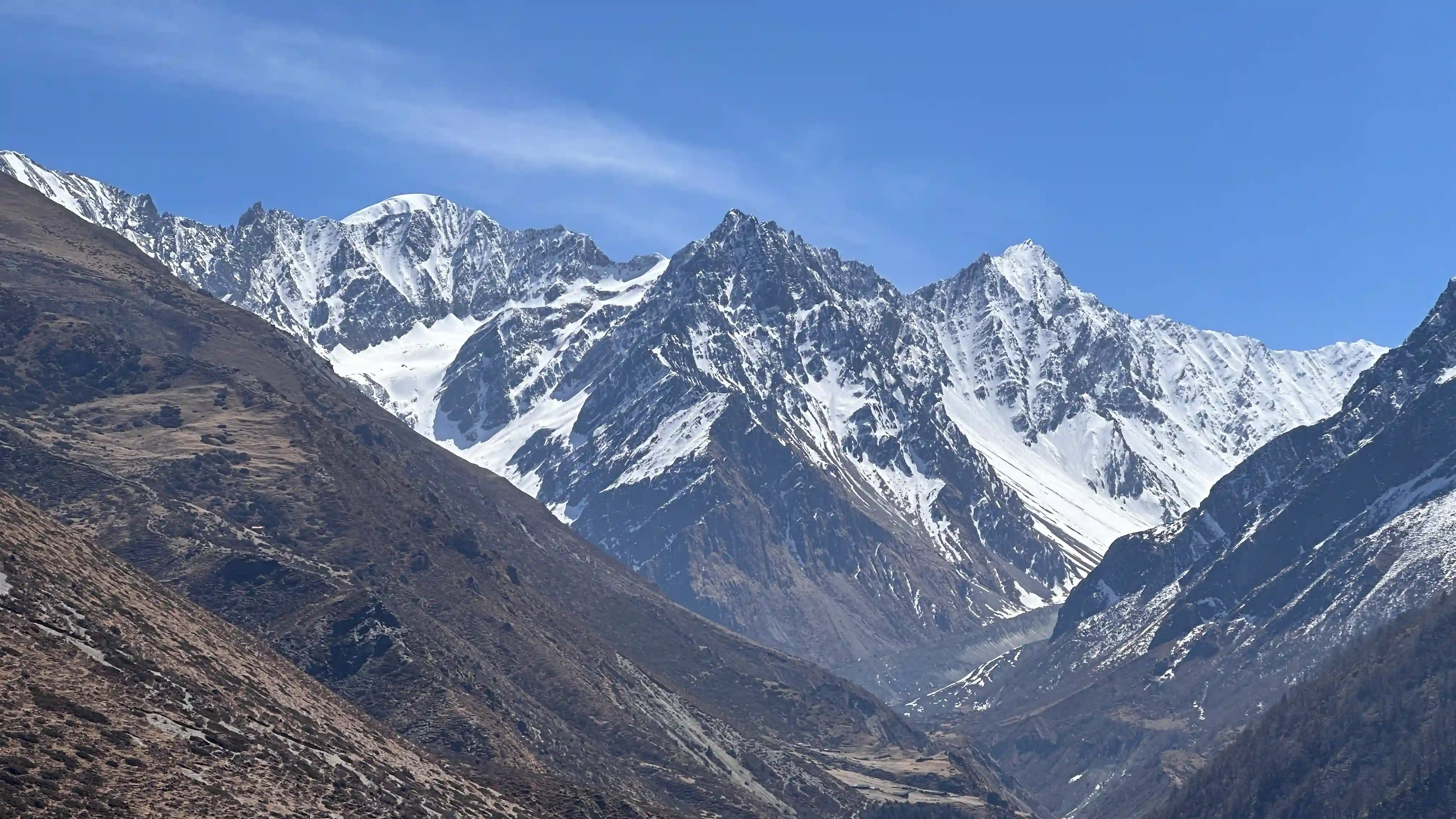
- Stunning mountain views of Ganesh Himal, Sringi Himal, and Tibetan peaks
- Meet nuns at Rachen Gompa - one of Nepal's largest nunneries
- Explore Tsum's unique architecture: traditional stone houses with carved wooden windows
- Trek through landscapes unchanged for centuries with spiritual significance
Why Book the Tsum Valley Trek with Us?
- Expert Tsum Valley specialist guides with cultural and language expertise
- Special restricted area permit coordination (complex paperwork)
- Monastery visit coordination and cultural protocol guidance
- Small groups respecting the valley's fragile culture and environment
- Cultural briefings on Tibetan Buddhism and local customs
- Homestay arrangements with local families
- Tibetan language basics taught by guides
- Photography guidance respecting religious sites
- Support for sustainable tourism protecting Tsum's unique culture
- Monastery donation coordination (supporting religious preservation)
- Flexibility for spiritual experiences and monastery ceremonies
Tsum Valley Trek Itinerary
Early morning departure from Kathmandu on a scenic drive following the Prithvi Highway. Pass through Dhading Besi and follow the Budhi Gandaki River into increasingly remote territory. The drive offers glimpses of terraced hills, riverside villages, and gradually changing architecture from Hindu to Buddhist styles. Road conditions deteriorate as you approach Soti Khola. Arrive at this small village, the gateway to Manaslu and Tsum regions. Rest and prepare for tomorrow's trek start. Evening briefing on restricted area protocols and cultural sensitivities.
Begin trekking along the Budhi Gandaki River on a trail that crosses several suspension bridges and passes through small settlements. The trail ascends and descends multiple times, navigating rocky paths and riverside sections. Pass through Lapubesi village and continue through subtropical vegetation. Cross more suspension bridges decorated with prayer flags - the first signs of Buddhist culture intensifying. The gorge is narrow with impressive rock formations. Reach Machha Khola ("fish creek"), a small village where trekking groups gather. Basic teahouse facilities.
Continue ascending the Budhi Gandaki valley through dramatic gorge scenery. Cross several suspension bridges and navigate narrow trails carved into cliff faces. The trail becomes more challenging with some exposed sections. Pass through Khorlabesi and Tatopani (hot springs - can stop for a dip!). Continue climbing to Dobhan and then Jagat, an important checkpoint village where permits are verified. Jagat marks the transition into the Manaslu Conservation Area. Tibetan Buddhist influence becomes more prominent with prayer wheels, chortens, and mani walls. Comfortable teahouse accommodation.
Today you enter the sacred Tsum Valley! Fork left from the main Manaslu Circuit trail at Philim village (main trail goes right to Manaslu Base Camp). Cross the bridge over the Budhi Gandaki and begin ascending the Siyar Khola valley. Pass the first Tsum Valley checkpoint where your restricted area permit is thoroughly verified. The landscape changes dramatically - entering a more isolated valley with distinct Tibetan architecture. Pass ancient chortens, long mani walls with thousands of carved prayer stones, and prayer flags everywhere. Reach Lokpa, a traditional Tsumba village (Tsumba are the ethnic people of Tsum). Stone houses with intricately carved wooden windows. Limited but adequate teahouse facilities.
Trek through increasingly beautiful landscapes as you go deeper into Tsum Valley. Pass through Lungwa village with its gompa (monastery) and traditional Tibetan-style houses. Cross suspension bridges over turquoise glacial rivers. The trail ascends gradually through pine and rhododendron forests with spectacular valley views. Arrive at Chumling, one of the larger villages in lower Tsum Valley split into Upper and Lower Chumling. Visit the local gompa and observe daily life virtually unchanged for centuries. Women wear traditional Tibetan dresses, men in Tibetan robes. You may witness monks conducting prayers. Interact with locals who are genuinely curious about visitors (you're among the first generation of outsiders they've seen!).
Continue ascending the valley through spectacular scenery. Pass magnificent long mani walls - some stretching hundreds of meters with thousands of prayer stones carved with mantras (always pass on left side!). Cross the bridge to the east bank of the valley and trek through Lamagaon, another beautiful traditional village. The altitude increases but remains moderate. Reach Chhokang Paro, a picturesque village with stunning mountain backdrop. Visit the local monastery with ancient murals and thangkas (Buddhist scroll paintings). This area is particularly rich in Buddhist art and culture. Spectacular sunset views over the valley. Basic but friendly teahouse accommodation.
Shorter trekking day allowing acclimatization and cultural exploration. Trek through alpine terrain with increasingly dramatic mountain views. The valley narrows as you approach upper Tsum. Pass through forests and open meadows where yaks graze. Reach Nile (also called Chhule), a remote high-altitude village with just a few stone houses. The landscape becomes more barren and Tibetan - you could be in Tibet itself! Visit local homes where polyandry (one woman married to multiple brothers) is still practiced - a fascinating cultural tradition. Villagers may invite you for traditional butter tea (salty!) and demonstrate traditional crafts. This is cultural immersion at its deepest.
Trek to Mu Gompa, the spiritual heart of Tsum Valley and your trek's highest point! The trail ascends gradually through high-altitude terrain with prayer flags everywhere and spectacular mountain views. Mu Gompa (also called Rachen Gompa) sits dramatically at the valley's head beneath towering peaks. This ancient monastery complex dates back centuries and houses both monks and nuns practicing in isolation. If timing permits, witness morning or evening prayers (puja) - the chanting, drums, and horns create an otherworldly atmosphere. Explore the monastery's chapels with ancient murals, butter lamps, and golden Buddha statues. The spiritual energy is palpable. Spectacular 360-degree mountain views including Ganesh Himal. Overnight in very basic monastery guesthouse or nearby teahouse. Limited facilities but incredible experience.
Full day at Mu Gompa for acclimatization, cultural immersion, and optional excursions. Morning: Attend monastery prayers if interested (usually 5-6 AM - early but magical!). Option 1: Hike toward Ganesh Himal Base Camp (4,000m+) for closer mountain views - a challenging 4-5 hour round trip. Option 2: Explore surrounding area, visit meditation caves where monks spend months in solitary retreat, interact with monks/nuns learning about their lives, photograph the stunning setting. Afternoon: Rest, meditate, or simply absorb the spiritual atmosphere. Evening prayers at monastery are deeply moving experiences. This is a day for reflection, photography, and spiritual connection rather than just physical trekking. Consider donating to the monastery to support the monks' simple life.
Descend from Mu Gompa taking a different route through the valley. Trek to Rachen Gompa (also called Rachen Nunnery), one of the largest and most important nunneries in Nepal housing over 100 Buddhist nuns. The trail offers different perspectives of the valley's beauty. Arrive at Rachen Gompa, a spectacular monastery complex perched dramatically on a hillside. Meet the nuns who live here year-round practicing Buddhism, farming, and maintaining the monastery. If fortunate, witness afternoon prayers or butter lamp lighting ceremonies. The nuns are often more open to interaction than monks and may share stories about their spiritual path. Visit the monastery's ancient library with Buddhist texts and manuscripts. Overnight in monastery guesthouse or nearby teahouse.
Begin descending the valley. Short walk to visit the sacred Milarepa Cave (Piren Phu), a pilgrimage site of enormous spiritual significance. This cave is where the great Tibetan Buddhist saint and poet Milarepa meditated in the 11th century. Inside the cave, see the handprint and footprint impressions said to be Milarepa's - considered miraculous by Buddhists. The cave remains an important pilgrimage destination for Buddhists from across the Himalayas. Your guide will explain Milarepa's significance and the stories associated with this holy site. Continue descending to Dumje, another traditional Tsum village. The descent means easier breathing and warmer temperatures. Reflect on the spiritual journey as you leave the upper valley.
Continue descending out of Tsum Valley, retracing sections of the entry route through Chumling and past the long mani walls. The descent is faster than ascent. Cross the bridge rejoining the main Manaslu Circuit trail at Philim village. The contrast is immediately noticeable - more trekkers, larger villages, more developed facilities. You're leaving the sacred hidden valley and returning to the more "normal" world. Philim has comfortable teahouses with better facilities than Tsum. Evening to rest and reflect on the extraordinary cultural immersion you've experienced.
Long final trekking day descending back to Soti Khola. Retrace the trail through Jagat, past Tatopani hot springs, through Khorlabesi, and along the Budhi Gandaki gorge. The descent loses significant elevation - your knees will feel it! Pass through the checkpoint where you exit the restricted area. The landscape transitions from Buddhist highlands back to Hindu lowlands. Reach Soti Khola where your trekking adventure began. Celebrate the completion of your Tsum Valley journey with your guide and crew over a special dinner. Share photos and stories.
After breakfast, begin the long drive back to Kathmandu. The rough roads and winding route take most of the day. Arrive in Kathmandu by evening. Transfer to your hotel. The contrast between the quiet Himalayan valley and bustling city is striking. Evening free to rest, process your experiences, or celebrate with fellow trekkers. Optional farewell dinner sharing Tsum Valley stories and photos.
Why This Trek?
The Tsum Valley Trek is a rare opportunity to experience authentic Tibetan Buddhist culture in its purest, most preserved form - a journey back in time to how the Himalayas were before mass tourism. Trekking through this sacred valley, visiting ancient monasteries where monks practice in isolation, witnessing daily life unchanged for centuries, and experiencing spiritual traditions passed down for over a millennium creates profound connections beyond typical trekking experiences. The restrictions that frustrated some travelers have protected what makes Tsum extraordinary: genuine cultural authenticity, spiritual depth, isolation, and the privilege of being among the first generation of outsiders to witness this hidden world. Whether you're spiritually inclined or simply culturally curious, Tsum Valley offers experiences impossible to find elsewhere in Nepal - this is cultural immersion at its deepest, most meaningful level. The basic accommodations, simple food, and physical challenges become insignificant compared to the privilege of entering one of the world's last intact Himalayan cultures.
Ready to journey into one of Nepal's last hidden valleys? Book your Tsum Valley Trek today and experience what the Himalayas offered before tourism changed everything. This is not a trek for everyone - it requires patience, cultural sensitivity, acceptance of basic conditions, and genuine interest in Tibetan Buddhism. But for those seeking authentic experiences beyond standard tourist routes, for spiritual seekers, for cultural enthusiasts, for adventurers willing to venture where few have gone, Tsum Valley delivers transformative journeys. Contact us to arrange your restricted area permits and experienced cultural guides. The sacred valley awaits those humble enough to enter respectfully. This isn't just trekking - it's pilgrimage into living history.
Trek Difficulty
The Tsum Valley Trek is rated moderate to strenuous - not because of technical difficulty or extreme altitude, but due to the remote nature, basic infrastructure, cultural challenges, and mental demands of being in such an isolated environment. The trekking itself is moderate with maximum altitude of 3,700m (similar to Namche Bazaar on EBC), but the overall experience is more challenging than altitude suggests.
Physical Fitness
Good fitness is required for daily trekking of 5-7 hours on varied terrain. The trails are less developed than popular routes - rockier, sometimes exposed, with steep sections. However, there are no technical climbing requirements. Recommended preparation: regular hiking or cardiovascular exercise 3-4 times weekly for 2-3 months before departure, strengthen legs with squats and lunges, practice hiking with a daypack (8-10kg) on hills or stairs, build endurance for consecutive trekking days. The altitude is moderate so extreme fitness is not required, but good general condition makes the experience much more enjoyable.
Altitude Sickness
Altitude sickness risk is low to moderate. Maximum sleeping altitude is 3,700m at Mu Gompa - most people handle this well with the gradual ascent profile. However, the remoteness means medical evacuation would be complex and time-consuming, making altitude awareness crucial. Precautions: stay hydrated (3-4 liters daily), ascend gradually following the itinerary, eat well even with appetite loss, recognize symptoms early (headache, nausea, dizziness, fatigue), inform guide immediately if symptomatic. The two nights at Mu Gompa (3,700m) provide acclimatization time. Most trekkers experience no altitude issues, but proper preparation and awareness are essential given the remote location.
Preparation
Physical preparation: Start training 8-12 weeks before with regular cardio and hiking. Mental/Cultural preparation is equally important for Tsum Valley: Research Tibetan Buddhism basics (helps appreciate monastery visits), learn a few Tibetan phrases (locals appreciate effort), prepare for very basic accommodation (cold nights, squat toilets, no showers for days), accept limited electricity and WiFi, develop patience and flexibility (things happen slowly in remote areas), practice cultural sensitivity (this is a sacred valley), be prepared for simple food (Dal Bhat, tsampa, occasional meat). Mental resilience is more important than physical prowess. This trek is about cultural immersion more than physical challenge. Break in boots thoroughly, get medical checkup, consider diarrhea prevention strategies.
Cost & Budgeting
Budget overview
The Tsum Valley Trek costs approximately $1,200 to $2,500 per person depending on group size and service level. It's more expensive than open area treks due to restricted area permits, remote location, and required guide services. However, it's still excellent value for such a unique cultural experience.
Estimated cost breakdown
Saving tips
Join group treks to share guide and transport costs (saves 30-40% - significant!). Trek in shoulder season (April or November) for slight discounts. Bring your own sleeping bag (rental adds up). Order Dal Bhat and Tibetan staples (cheaper than Western food). Carry water purification instead of buying bottled water. However, DO NOT over-negotiate in Tsum - prices are already minimal and villagers have few income sources. Consider bringing small gifts (school supplies, warm clothing) to donate rather than always giving money. The restricted permit cost is fixed by government and cannot be reduced. Book through agencies with established Tsum relationships for best value and arrangements.
Best Time to Trek
The Tsum Valley Trek is best during spring (April-May) and autumn (September-November) when weather is stable and passes are clear. Due to the valley's orientation and moderate altitude, the trekking season is similar to other mid-altitude Nepal treks.
Spring
Spring (April to May) is excellent for Tsum Valley with warming weather, blooming rhododendrons at lower elevations, and increasingly stable conditions. April offers comfortable temperatures and clear morning skies. May can be warmer but still good. Spring is perfect for photography with green landscapes and clear mountain views. Daytime temperatures: 15-22°C at lower elevations, 5-12°C at Mu Gompa. Nights cold at altitude (0 to -5°C at Mu Gompa). Monastery festivals sometimes occur in spring (dates vary by lunar calendar - ask your guide).
Autumn
Autumn (September to November) provides the clearest skies, most stable weather, and best visibility. October is optimal with crystal-clear mountain views and comfortable temperatures. September can still have monsoon tail moisture. November gets colder but remains excellent with even fewer tourists. This is the most popular season. Daytime temperatures: 12-20°C at lower elevations, 3-10°C at Mu Gompa. Night temperatures: -5 to -10°C at high camps. Autumn is ideal for serious photography and guaranteed clear views.
Monsoon
Monsoon (June to August) is challenging with daily rain, leeches below 2,500m, muddy trails, and obscured mountain views. However, Tsum Valley is in a rain shadow receiving less precipitation than south-facing valleys. Advantages: absolutely empty trails (maybe only trekkers in the entire valley!), lush green landscapes, wildflowers, extremely low prices. Disadvantages: challenging conditions, potential landslides blocking access roads, uncomfortable trekking. Only for very adventurous, flexible trekkers with excellent rain gear and patience. Some teahouses may close.
Winter
Winter (December to February) is very cold with snow possible at higher elevations. Mu Gompa area will have snow and freezing temperatures (-10 to -20°C at night). However, days can be sunny and clear offering spectacular views. Trails empty - profound solitude and spiritual atmosphere. Some higher lodges may close. Requires excellent cold-weather gear including -15°C sleeping bag. Only for experienced winter trekkers comfortable with cold and potential hardships. Not recommended for first-timers. However, the spiritual experience is heightened by the isolation and difficulty.
Weather in Tsum Valley is relatively stable due to its protected location between mountain ranges. Less affected by monsoon than southern valleys. Mornings typically clear with afternoon clouds possible. Temperatures moderate for the altitude. However, the remote location means weather changes can strand you - always build flexibility into schedule. Monastery accommodation has no heating - expect cold nights year-round. Pack layers for flexibility.
Choose spring (April-May) for comfortable weather, blooming nature, and potential monastery festivals - best for cultural experiences. Choose autumn (October-November) for absolute clearest views and best photography conditions. Avoid monsoon unless you're extremely adventurous and flexible. Winter only for hardcore trekkers seeking ultimate solitude and spiritual experience. October and April are optimal months offering best balance of weather, conditions, and cultural experiences.
Permits & Regulations
Overview
The Tsum Valley Trek requires special restricted area permits in addition to standard conservation area permits. The bureaucracy is more complex than open area treks, and guides are mandatory (you cannot trek independently). Permits must be arranged through registered agencies.
Tsum Valley Restricted Area Permit
Special permit required for entry into the restricted Tsum Valley. Issued by Department of Immigration in Kathmandu. The restriction protects Tsum's fragile culture and environment from uncontrolled tourism. Permits issued for specific dates and routes. Must be trekked with licensed guide - independent trekking illegal. Cost: USD $10 per person per week (most treks need 3-4 week permit = $30-40 total). Minimum 2 trekkers required (agencies may pair solo trekkers).
Manaslu Conservation Area Permit (MCAP)
Required for trekking through Manaslu Conservation Area which includes the approach to Tsum Valley. Fees support conservation, trail maintenance, and community development. Cost: NPR 3,000 ($30) for foreigners per person, NPR 1,000 for SAARC nationals.
TIMS Card (Trekkers Information Management System)
Standard trekking card for safety database and rescue coordination. More important for restricted areas where fewer trekkers means rescue coordination is crucial. Cost: NPR 2,000 ($20) for group treks through agencies (individual TIMS not applicable as guides are mandatory).
How to obtain
You CANNOT obtain Tsum Valley permits yourself - must be done through registered trekking agency. Process: 1) Book with registered agency 2-3 weeks before trek, 2) Provide passport copies, photos, and travel insurance details, 3) Agency handles all permit applications in Kathmandu, 4) Permits typically take 3-5 working days to process, 5) Collect permits day before trek departure or agency brings them. Permits are thoroughly checked at multiple checkpoints - keep them accessible. Photocopies useful as backup. The restricted area permit lists all group members and guide - you cannot change guides mid-trek. Solo trekkers must wait to be paired with another trekker (agencies help coordinate). The complexity and mandatory guide requirement are why this trek costs more than open areas.
Accommodation & Food
Overview
Accommodation in Tsum Valley is very basic - this is NOT a trek for comfort seekers! The limited tourist infrastructure means facilities are minimal but adequate. Part of the trek's authenticity is experiencing how locals live. Manage expectations accordingly.
Teahouses
Teahouses in Tsum Valley are extremely basic compared to popular routes: Lower valley (Lokpa, Chumling): Simple rooms with beds and mattresses (sometimes just mats), shared pit/squat toilets (no western toilets), no showers (wet wipes and hand washing), limited electricity (solar panels in some places, candles common), basic dining areas with stoves (gather for warmth), cold nights. Upper valley (Mu Gompa, Rachen Gompa): Monastery guesthouses or adjacent basic lodges, dormitory-style rooms common (2-6 beds), absolutely minimal facilities, very cold nights (bring good sleeping bag!), spiritual atmosphere compensates for lack of comfort. Some villages offer homestays - sleeping in traditional homes with families (cultural immersion, very basic). Blankets provided but quality varies - sleeping bag essential (-10°C minimum rating).
Food
Food is simple but adequate - mainly Tibetan and Nepali staples: Dal Bhat (rice and lentils - available everywhere, unlimited refills), Tsampa (roasted barley flour - Tibetan staple), Tibetan bread, noodle soups, occasional momos, potatoes, yak cheese (in upper valley), Tibetan butter tea (salty - acquire taste!), basic vegetable dishes. Menu variety very limited compared to popular routes. Western food rare or unavailable. Fresh vegetables scarce at high camps. Food becomes more basic as you ascend. Monastery meals often vegetarian. Prices very reasonable (Dal Bhat $4-7). Hygiene standards variable - stick to hot, freshly cooked food. Bring multivitamins. The limited menu is part of authentic experience.
Order Dal Bhat for best nutrition and value. Try traditional Tibetan food - tsampa, butter tea, yak cheese. Support local economy by eating at teahouses where you sleep. Bring snacks from Kathmandu (chocolate, energy bars, nuts) for variety and emergencies. Stay hydrated - 3-4 liters daily. Avoid alcohol at altitude. Accept that meals come slowly - cooking on basic stoves takes time. Use meal times for cultural exchange with hosts and other trekkers. Budget $20-30 per day for food. At monasteries, consider purchasing tea or making donations rather than expecting free services. Respect meal blessing customs if staying in monastery guesthouses.
Packing List
Essential gear
Clothing
Thermal base layers (2-3 sets - essential!), fleece mid-layers, down jacket (-15°C rated - nights are COLD), waterproof shell jacket, waterproof pants, trekking pants (2), warm insulated pants (for Mu Gompa nights), warm hat, sun hat, balaclava, liner gloves, warm gloves, buff/scarf (2), extra warm socks
Footwear
Broken-in waterproof trekking boots (essential!), camp shoes/sandals (for teahouses), warm trekking socks (6+ pairs), sock liners, gaiters (monsoon season)
Gear
Sleeping bag (-10°C minimum, -15°C better - ESSENTIAL!), sleeping bag liner (adds warmth and hygiene), daypack (30-40L), trekking poles (helpful on rocky sections), headlamp with extra batteries (frequent power outages!), sunglasses (UV400), water bottles (2-3L), water purification tablets AND filter
Personal & Hygiene
Sunscreen SPF 50+, lip balm SPF 30+, comprehensive first-aid kit, diarrhea medication (important!), altitude sickness medication (precautionary), pain relievers, personal medications, hand sanitizer (essential - limited washing facilities!), wet wipes (substitute for showering!), toilet paper (bring enough for entire trek!), quick-dry towel, minimal toiletries
Cultural & Documents
Respectful clothing for monastery visits (long pants, covered shoulders), camera with extra batteries (cold drains batteries!), power bank (20,000+ mAh - limited charging), passport with copies, all permits, travel insurance documents, cash (USD and NPR - NO ATMs in Tsum!), small bills for purchases, notebook for cultural observations
Cultural Gifts (Recommended)
School supplies for village schools (pens, notebooks, crayons), warm clothing for donations (jackets, gloves), photos of your country to share, prayer flags to donate to monasteries, cash for monastery donations (small bills), candies for children (give to parents, not directly)
Optional
Book on Tibetan Buddhism (enhance understanding), journal for spiritual reflections, playing cards, binoculars (monastery art details, wildlife), Tibetan phrasebook, thermos for hot drinks, portable solar charger (limited electricity), extra camera memory cards, earplugs (monastery drums start early!), meditation cushion (for spiritual seekers), small gifts from your country to share
What not to pack
Excessive clothes (no laundry facilities!), valuables or jewelry (disrespectful in spiritual setting), laptop (no electricity for charging), hair dryer, non-essential electronics, cologne/perfume (offensive in monasteries), revealing clothing, leather items (offensive to Buddhists if from cows), single-use plastics (environmental concern), too many toiletries, expectations of comfort. Pack for function and respect, not comfort or fashion. Less is more in Tsum Valley.
Guides & Support
Benefits of a guide
A licensed guide is MANDATORY for Tsum Valley Trek - independent trekking is illegal in restricted areas. Beyond legal requirements, guides are absolutely essential: Navigation in remote areas with minimal signage, cultural interpretation and Buddhist practices explanation, Tibetan language skills (locals often don't speak Nepali/English), monastery visit coordination and protocol guidance, negotiating basic accommodation in villages, restricted permit verification at checkpoints, safety and emergency support in remote location (days from medical help), spiritual context for sites and ceremonies, respectful photography guidance, cultural bridge between you and conservative communities. A good guide transforms this from a challenging trek into a profound cultural journey.
How to choose
For Tsum Valley, guide selection is CRITICAL - choose carefully: Must have government license for restricted areas (verify!), extensive Tsum Valley experience (5+ treks minimum), Tibetan or Tamang ethnicity ideal (cultural understanding), fluent Tibetan language (essential for upper valley), deep knowledge of Buddhism and monastery protocols, cultural sensitivity and respect training, first-aid certification (important for remote area), established relationships with monasteries and villages (gets better access), patient, spiritual temperament (not rushed), excellent references specifically for Tsum treks. Book through agencies specializing in restricted area cultural treks. Avoid cheap operators - they often use inexperienced guides. A culturally-knowledgeable guide is worth significantly more than a basic trekking guide. Ask agencies about their guide's specific Tsum experience and cultural background.