Mustang
Upper Mustang Trek - 12 Days
- DestinationNepal
- RegionMustang
- Duration12 Days
- TransportationFlight + Jeep
- Max Height3,840 m / 12,598 ft
- ActivitiesCultural Trekking
- Trip GradeModerate
- AccommodationTea House & Homestay
- Group SizeMin. 2 Pax
- Best SeasonMar-Nov (All Year)
- MealsB.L.D.
- Start / End PointJomsom
Introduction
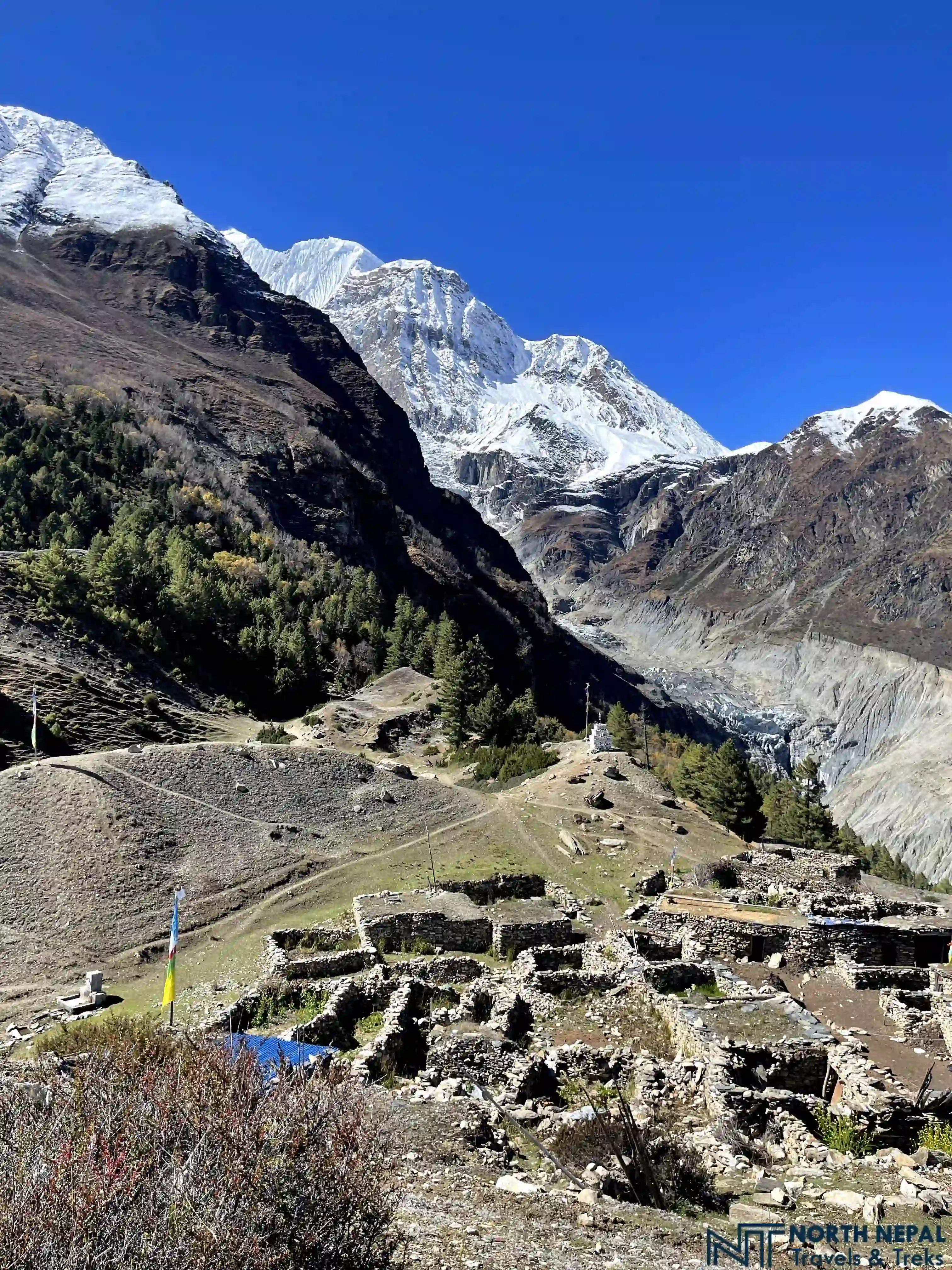
The Upper Mustang Trek is a journey into the "Last Forbidden Kingdom" - a remote, mystical region of Nepal that remained closed to foreigners until 1992. This extraordinary trek takes you to the ancient walled city of Lo Manthang, the capital of the former Kingdom of Lo, where medieval Tibetan Buddhist culture has been preserved virtually unchanged for centuries. Upper Mustang lies in the rain shadow of the Annapurna and Dhaulagiri ranges, creating a stark, almost otherworldly desert landscape reminiscent of the Tibetan Plateau. The region's isolation has protected its unique culture, architecture, and traditions from modern influences - walking through these villages feels like stepping back in time to medieval Tibet. The trek follows ancient trade routes between Nepal and Tibet through dramatic canyons, past colorful rock formations, and across high desert plateaus. You'll visit ancient monasteries filled with priceless murals and scriptures, witness traditional sky burial sites, and explore caves that once housed thousands of monks. The highlight is Lo Manthang itself - a walled city dating back to 1380 with narrow alleyways, whitewashed houses, and the royal palace of the King of Mustang (a hereditary title that continues today). The landscape is hauntingly beautiful - windswept cliffs in shades of ochre, red, and gray, Buddhist chortens and mani walls decorating the trails, and distant snow-capped peaks framing the high desert. Upper Mustang is a restricted area requiring special permits and minimum group requirements, which limits visitor numbers and preserves its pristine character. For trekkers seeking cultural immersion, ancient history, unique landscapes, and the feeling of discovering a hidden world, Upper Mustang offers an incomparable experience unlike any other trek in Nepal.
Upper Mustang Trek Highlights
- Explore Lo Manthang, the ancient walled city and capital of the forbidden kingdom
- Visit 15th-century monasteries with priceless murals, statues, and ancient manuscripts
- Experience authentic Tibetan Buddhist culture unchanged for centuries
- Trek through dramatic desert landscapes with colorful rock formations
- Stay in traditional homestays with local Loba families
- Visit Chhoser Cave complex - ancient meditation caves carved into cliffs
- Witness sky burial sites and traditional Bon-Buddhist practices
- Meet the King of Mustang and visit the royal palace
- Trek a restricted area with limited tourist numbers ensuring authenticity
Why Book the Upper Mustang Trek with Us?
- Expert guides with deep knowledge of Mustang culture and history
- 100% Guaranteed Departures - all dates confirmed
- Special Restricted Area Permit Arrangement - we handle all paperwork
- Cultural Immersion Focus - extended time in Lo Manthang and villages
- 24/7 Support including contingency planning for flight delays
- Authentic Homestay Experiences with carefully selected families
- Small Groups (max 10 people) for intimate cultural interactions
- Flexible Itinerary including optional side trips to Chhoser and Ghami
- Expert Cultural Interpretation - guides explain Buddhist art and traditions
- Fair Tourism Practices benefiting local Mustang communities
Upper Mustang Trek Itinerary
Arrive at Tribhuvan International Airport in Kathmandu. Our team will greet you with traditional khada scarves and transfer you to your hotel in Thamel. After settling in, attend a comprehensive trek briefing where we'll explain the unique aspects of Upper Mustang trekking, discuss the restricted area permit requirements and regulations, review the cultural sensitivities and Buddhist etiquette you'll need to observe, explain the flight contingency planning (Jomsom flights are weather-dependent), and answer all your questions. Upper Mustang is different from other Nepal treks - it's primarily a cultural journey through living history rather than a high-altitude mountain trek. We'll provide background on the Kingdom of Lo, Tibetan Buddhism, and what to expect in this isolated region. This is also when you can rent any equipment needed, though less gear is required than for high-altitude treks. Evening free to explore Thamel or rest.
Option 1 - Fly to Pokhara: Take a scenic 25-minute flight from Kathmandu to Pokhara. The flight offers spectacular mountain views on clear days including the Annapurna and Manaslu ranges. Arrive mid-morning and transfer to your lakeside hotel. Free afternoon to explore Pokhara. Option 2 - Drive to Pokhara: Take a tourist bus or private vehicle (6-7 hours) through beautiful countryside. This option is more economical but takes all day. Arrive evening in Pokhara. Attend an evening briefing about tomorrow's flight to Jomsom and final trek preparations. Jomsom flights are highly weather-dependent and often delayed or cancelled - we'll explain the contingency plans. Rest early as you need to wake at 5 AM for the morning flight.
Wake at 5 AM for transfer to Pokhara airport. The flight to Jomsom (2,720m) is one of the world's most spectacular mountain flights, taking 20 minutes through the deepest gorge on Earth - the Kali Gandaki Valley between Annapurna and Dhaulagiri. The tiny Twin Otter aircraft flies at eye level with the peaks. Note: Jomsom flights are extremely weather-sensitive and frequently delayed or cancelled by morning winds. Upon arrival at Jomsom's windswept airport, meet your trekking crew and begin walking north up the Kali Gandaki valley. The landscape is dramatically barren - you're now in the rain shadow creating a high-altitude desert environment. Walk on jeep tracks through Ekle Bhatti. After 3-4 hours, reach Kagbeni (2,810m), a stunning medieval village that marks the gateway to Upper Mustang. The village feels frozen in time with its narrow alleyways, traditional architecture, ancient monastery, and the restricted area checkpoint. Register your Upper Mustang permits at the checkpoint. Explore Kagbeni's lanes and visit the Red Monastery.
Today you officially enter Upper Mustang restricted area! Cross the bridge over the Kali Gandaki and begin ascending into a different world. The trail climbs gradually through increasingly barren landscape. Pass through Tangbe (3,060m), a beautiful village with whitewashed houses and a monastery perched on cliffs. Continue to Chhusang (2,980m) where you cross the river on a suspension bridge. The landscape becomes more dramatic - colorful rock formations in reds, grays, and ochres tower above. Climb steeply to the village of Chele (3,050m) which sits on a hillside overlooking the valley. Buddhist chortens and mani walls line the trails, prayer flags flutter in the constant wind, and the architecture is distinctly Tibetan with flat-roofed whitewashed houses. The landscape and culture feel completely different from lower Nepal - you're now in a Tibetan cultural zone.
Today involves several steep climbs and descents as the trail winds through dramatic landscape. Climb steeply from Chele on a rocky trail to Taklam La pass (3,624m) with prayer flags and spectacular views. Descend into a gorge and climb again to Dajori La pass (3,735m). The terrain is incredibly rugged and beautiful - colorful eroded cliffs, deep canyons, and desert plateaus. Descend to Samar (3,620m), a large village with a monastery and teahouses where you'll stop for lunch. From Samar, the trail descends into a canyon before climbing again over another pass. Pass through Bhena village and finally descend to Geling (3,570m), a beautiful village spread across a plateau. Geling has an important monastery (Tashi Choling Gompa) dating back centuries. The village is surrounded by fields where locals grow barley, buckwheat, and potatoes using ancient irrigation systems.
Continue through the heart of Upper Mustang. Descend from Geling and cross a river before climbing to Nyi La pass (4,010m), the highest point on the trek to Lo Manthang. From the pass, enjoy spectacular views of the Mustang plateau and distant Himalayas. Descend across desert-like terrain passing several large chortens and sky burial sites. Reach Ghami (3,520m), one of the largest villages in Upper Mustang with extensive farmland and the longest mani wall in Nepal - over 500 meters long with thousands of prayer stones. Stop for lunch and visit Ghami Gompa. Continue climbing gradually across the plateau with stunning rock formations. Pass through smaller settlements before descending to Tsarang (3,560m), the second largest town in Mustang after Lo Manthang. Tsarang has an impressive monastery complex perched on a cliff, a ruined dzong (fort), and traditional architecture. Visit the monastery to see ancient murals, statues, and thangkas.
Today you reach the highlight - Lo Manthang, the ancient walled capital! The trek is relatively short but full of anticipation. Climb gradually from Tsarang across the windswept plateau. Cross Lo La pass (3,950m) decorated with prayer flags and chortens. From here, get your first glimpse of Lo Manthang in the distance - a walled city rising from the desert plain, utterly surreal and beautiful. Descend gradually across the plain toward the city. Enter Lo Manthang through the north gate in its massive walls. The city, founded in 1380, is remarkably preserved with its 6-meter-high mud brick walls still intact. Inside, narrow alleyways wind between whitewashed houses with carved wooden balconies. Check into a homestay with a local family or a basic guesthouse. Spend the afternoon exploring - visit Champa Lhakhang, Chyodi Gompa, and Thugchen Gompa with their incredible 15th-century murals. If fortunate, you may meet the King of Mustang. Walking Lo Manthang's medieval streets at sunset is magical.
Spend the full day exploring Lo Manthang and surroundings. Option 1 - Explore Lo Manthang thoroughly: Visit all three main monasteries. Champa Lhakhang (built 1447) contains a magnificent two-story clay statue of Maitreya Buddha. Thugchen Gompa (built 1472) features Buddhist cosmology murals. Visit the Royal Palace. Walk the city walls for panoramic views. Explore alleyways observing daily life. Option 2 - Day hike to Chhoser Cave: Trek 2-3 hours north to the Chhoser Cave complex, an incredible site with 2,500-year-old caves carved into vertical cliffs. Thousands of caves on multiple levels were used as meditation cells. Option 3 - Visit Tingkhar and surrounding villages. Attend the daily 4 PM prayer session at Thugchen Gompa where monks chant accompanied by drums and cymbals. Enjoy a traditional Mustang dinner with your homestay family.
Begin the return journey taking a different route for variety. Trek east from Lo Manthang across the high plateau with stunning views of the Damodar Himal range to the north. Pass through Kimaling village and continue to Yara, a remote village with an impressive cliff-top monastery. From Yara, trek to Tangge, another isolated settlement. Continue to Drakmar (3,810m), also called "Red Cliffs Village" for the dramatic red and white striped cliffs that tower above it. The cliffs are geological wonders. The village sits beneath these cliffs in a dramatic setting. Visit Drakmar's small monastery and explore the village. The locals here are incredibly welcoming. The remoteness and beauty of this route showcases Upper Mustang at its finest.
Continue the alternative return route. Trek from Drakmar across the high plateau passing dramatic landscapes and small settlements. Pass through Ghara and continue to Syangboche (3,800m), a small village that sees few trekkers. The remoteness creates special experiences - locals are curious and welcoming. Syangboche has basic teahouse accommodation. Enjoy the final night at high altitude in Upper Mustang's stark beauty. The sunset over the desert plateau with distant snow peaks is spectacular. Reflect on your journey through the forbidden kingdom.
Descend from the Upper Mustang plateau back toward Kagbeni. The trail retraces part of your route up, passing through Chele, Samar, and other villages. The descent is easier on the lungs. Reach Kagbeni by afternoon, returning to the gateway village. Check back through the restricted area checkpoint - your Upper Mustang trek is officially complete. Spend the evening in Kagbeni exploring areas you might have missed on Day 3, or simply relaxing and celebrating. Enjoy views of Nilgiri North looming above the village.
Trek downvalley from Kagbeni to Jomsom (2-3 hours), a pleasant walk on jeep tracks. Arrive Jomsom around 10-11 AM. If weather permits, take the scenic 20-minute flight back to Pokhara through the world's deepest gorge. Arrive Pokhara and transfer to your lakeside hotel. Afternoon free to enjoy Pokhara - walk along Phewa Lake, get a massage, or simply relax. Celebrate the successful completion of your Upper Mustang trek with your guide over dinner. Note: If Jomsom flights are cancelled due to weather, you may need to stay an extra night in Jomsom. This is why contingency days are essential.
Fly or drive back to Kathmandu. If flying, enjoy final mountain views on the 25-minute scenic flight. If driving, take the tourist bus through terraced hills and river valleys. Arrive Kathmandu and check into your hotel. Free afternoon for last-minute shopping in Thamel, visiting temples, or relaxing. Optional farewell dinner.
After breakfast, free time until your international flight. Visit UNESCO World Heritage Sites, shop for souvenirs, or relax. When it's time, transfer to Tribhuvan International Airport for your departure flight. Take with you unforgettable memories of the forbidden kingdom - the walled city of Lo Manthang, ancient monasteries with priceless murals, warm hospitality of Mustang people, and landscapes that look like another planet.
Why This Trek?
The Upper Mustang Trek is a journey into one of the last remaining fragments of pure Tibetan Buddhist culture, where medieval life continues virtually unchanged in the 21st century. Walking through Lo Manthang's walled city, sitting in 600-year-old monasteries surrounded by priceless murals, sharing butter tea with families in traditional homes, and witnessing daily life persisting for centuries creates profound discovery and privilege. This is not just a trek - it's cultural anthropology, living history, and time travel combined. The stark desert landscape with rainbow-colored cliffs, dramatic gorges, and endless plateaus provides stunning backdrop to cultural treasures. Upper Mustang proves Nepal's greatest riches aren't just famous mountains but extraordinary cultural diversity. The high permit cost is revealed as wise investment - it preserves what you came to see and ensures authentic, uncrowded experience. Meeting the King, witnessing ancient rituals, exploring cliff caves, being welcomed into homes maintaining unchanged traditions - these experiences are unavailable anywhere else. Upper Mustang is for trekkers who value cultural immersion over altitude achievement, who appreciate isolation and authenticity, who want to witness disappearing way of life before it changes forever, and who understand some experiences are worth higher cost. This trek delivers rewards measured not in meters climbed but in understanding gained and connections made.
Ready to discover the Last Forbidden Kingdom? Book your Upper Mustang Trek today and step into a living museum of Tibetan Buddhist culture preserved for centuries! Our expert guides with deep cultural knowledge ensure you experience Upper Mustang's treasures to their fullest. We handle all restricted area permits, arrange authentic homestay experiences with local families, and provide comprehensive cultural interpretation throughout your journey. Perfect for culturally curious trekkers seeking authentic experiences, ancient history, stunning desert landscapes, and the privilege of witnessing a disappearing way of life. Contact us now for special group rates (2-4 people ideal), flexible custom itineraries including optional Tiji Festival timing, and instant permit confirmation. Limited permits available especially for peak seasons (April-May, October) - book 2-3 months in advance to secure your spot. Don't miss this once-in-a-lifetime journey to the roof of the world's most preserved Tibetan culture!
Trek Difficulty
The Upper Mustang Trek is classified as moderate difficulty. Unlike high-altitude treks, the challenge here is more about endurance, dealing with harsh desert conditions, and adapting to basic facilities rather than extreme altitude. The maximum altitude is 3,840m at Lo Manthang (4,010m at Nyi La pass), which is lower than Everest Base Camp, Annapurna Base Camp, or many other Nepal treks. However, the trek requires 6-8 hours of walking daily for 8-10 consecutive days, often on rough jeep tracks or rocky trails, in a harsh desert environment with strong winds, dust, and limited facilities.
Physical Fitness
Good physical fitness is required for the Upper Mustang trek. You should be comfortable walking 5-7 hours per day for consecutive days on varied terrain including rocky trails, jeep tracks, and some steep climbs over passes. While the altitude is moderate (3,000-4,000m range), the cumulative effort of 10 days of walking in harsh desert conditions with wind and dust requires solid endurance. Recommended preparation: regular walking or hiking 3-4 times per week for 8-12 weeks, weekend hikes of 5-7 hours to build stamina, some hills or elevation gain, cardiovascular exercise, and leg strengthening. The Upper Mustang trek is achievable for people of all ages - we regularly guide trekkers from 12 to 75 years old.
Altitude Sickness
Altitude sickness is relatively uncommon on the Upper Mustang trek due to the moderate maximum altitude of 3,840m. The trek ascends gradually from Jomsom (2,720m) to Lo Manthang (3,840m) over 4-5 days. Prevention: drink 3-4 liters of fluids daily (crucial in dry desert climate), ascend gradually following the itinerary, eat regular meals, avoid excessive alcohol, and recognize mild symptoms. Most trekkers experience no altitude symptoms. The bigger challenges are the harsh environment (wind, dust, cold at night) rather than altitude.
Preparation
Begin preparation 2-3 months before your trek. Physical training is important, but equally important is mental and logistical preparation. Research Upper Mustang's history and culture. Learn about Buddhist etiquette. Prepare for basic facilities. Arrange comprehensive travel insurance, get medical checkup, update vaccinations, and book well in advance. Break in your trekking boots thoroughly.
Cost & Budgeting
Budget overview
The Upper Mustang Trek is one of Nepal's more expensive treks due to the high special permit cost ($500 USD per person for 10 days) and restricted area regulations. Total costs typically range from $1,800 to $3,500 per person for a 12-14 day trek. However, the high cost helps preserve Upper Mustang's pristine culture and limits tourist numbers.
Estimated cost breakdown
Saving tips
Join a group trek to share costs. Trek during shoulder seasons. Book through Kathmandu/Pokhara agencies. Bring snacks from cities. Stay in homestays. However, the $500 permit is fixed and cannot be reduced. Budget approximately $2,000-2,500 minimum for a quality trek.
Best Time to Trek
Upper Mustang has one of the longest trekking seasons in Nepal due to its rain shadow location. Trekking is possible March through November. Best times are spring (April-May) and autumn (September-November), but each season offers unique experiences.
Spring
Spring (March to May) is excellent, especially late April and May. Temperatures warm progressively. The desert blooms with wildflowers in April-May. Farmers plant crops creating green fields against brown desert. Visibility is excellent in April. Winds are moderate. Spring sees good crowds - book 2-3 months ahead. Buddhist festivals like Tiji Festival (usually late April/early May) are spectacular. Spring is ideal if you want warmer weather, blooming landscapes, moderate winds, and possible festival attendance.
Autumn
Autumn (September to November) is peak season with most reliable conditions. Post-monsoon air is exceptionally clear. October is peak with perfect conditions but strong winds (60-80 km/hour in Kali Gandaki valley). November sees excellent visibility but colder temperatures. Harvest season creates golden fields. All facilities fully operational. Most trekkers visit in autumn - book 2-3 months ahead for October. Ideal if you prioritize clearest visibility and don't mind strong winds.
Monsoon
Monsoon (June-August) is viable for Upper Mustang unlike most Nepal treks! The rain shadow means very little monsoon rain. Advantages: very few trekkers, lower prices (up to 30% off), authentic experience. Challenges: occasional light rain, some clouds, very hot midday, some facilities closed. Jomsom flights face more cancellations. Monsoon is excellent for experienced trekkers wanting solitude.
Winter
Winter (December-February) is possible but very cold. Days are clear with excellent visibility. Temperatures: daytime 5-12°C, nighttime -10 to -20°C or colder. Minimal heating in teahouses requires excellent sleeping bag (-20°C rating). Fewer facilities open. Very few trekkers. Only for hardy trekkers with proper equipment.
Upper Mustang features low precipitation year-round, strong afternoon winds, low humidity, dramatic temperature swings, and intense sun. Dust is constant. Mornings calm with winds increasing by mid-morning. Skies mostly clear except May and monsoon.
Choose spring (April-May) for warmer weather, blooming landscapes, moderate winds, and Tiji Festival possibility. Choose autumn (October-November) for clearest visibility, most stable weather, and harvest scenery (accept strong winds and crowds). Choose monsoon for solitude and lower costs. Avoid winter unless you can handle extreme cold.
Permits & Regulations
Overview
Upper Mustang is a restricted area requiring special permits among the most expensive in Nepal. The high cost intentionally limits tourist numbers. All trekkers must be on an organized trek with licensed guide and minimum 2 people.
Upper Mustang Restricted Area Permit
Required for all foreign trekkers entering Upper Mustang beyond Kagbeni. Introduced when region opened in 1992 to control visitor numbers and protect cultural heritage. Cost: $500 USD for 10 days, $50 USD per extra day. Minimum 2 people required. Must obtain through registered agency - individuals cannot apply directly.
Annapurna Conservation Area Permit (ACAP)
Required because approach route through Jomsom-Kagbeni lies within ACAP. Cost: NPR 3,000 (~$30 USD) for foreigners.
TIMS Card
Trekkers Information Management System for safety tracking. Group TIMS for organized treks. Cost: NPR 1,000 (~$10 USD).
How to obtain
All permits must be arranged through registered trekking agency - mandatory for Upper Mustang. Choose agency in Kathmandu, provide passport copy and photos. Upper Mustang permits require minimum 7-10 days processing. Minimum 2 trekkers required. Solo trekkers pay for 2 permits ($1,000) or find partner. Permits checked at Kagbeni checkpoint entering/exiting. Budget $540-560 for all three permits. Book 2-3 months ahead for peak seasons.
Accommodation & Food
Overview
Accommodation consists of basic teahouses and traditional homestays. Facilities more rustic than main routes but authenticity is part of Upper Mustang's charm. In Lo Manthang and larger villages, choose between guesthouses or homestays (highly recommended for cultural immersion).
Teahouses
Lower sections (Kagbeni, Chele, Samar): Basic lodges with twin beds, shared bathrooms, limited hot water, dining rooms with stoves, minimal solar electricity. Mid to higher sections (Geling, Tsarang, Lo Manthang): Similar basic facilities, some attached bathrooms in Lo Manthang (rare), hot showers very limited ($5-7), minimal charging, no WiFi in most places. Homestays offer authentic experiences: sleep in family homes, share meals with families, basic facilities, genuine hospitality, directly support locals. Cost: $5-10 per night plus meals. Bring sleeping bag rated -5 to -10°C. Accommodation is basic throughout - authentic cultural experience rather than comfortable lodging.
Food
Food is simple but adequate, heavily influenced by Tibetan cuisine. Typical items: dal bhat (unlimited refills), Tibetan bread, tsampa (roasted barley flour), thukpa (noodle soup), momos, chow mein, fried rice, pasta, chapati, soups, eggs. Beverages: butter tea (po cha - traditional salty tea with yak butter), sweet milk tea, coffee, hot lemon honey. Diet is simple and repetitive. Fresh vegetables limited. Prices increase with remoteness: Kagbeni $5-7, mid-trek $7-10, Lo Manthang $8-12. Water must be purified.
Always eat where you sleep. Order early. Be patient - cooking takes time. Stay well hydrated - drink 4-5 liters daily in dry climate. Try butter tea - locals are honored. Order dal bhat often. Bring water purification. Avoid excessive meat. Bring supplementary snacks from Kathmandu/Pokhara. Accept limited variety. Respect food customs. Share meals with homestay families when possible.
Packing List
Essential gear
Clothing
Base layers (2 sets), fleece jacket, insulated jacket, windproof shell (essential), rain jacket, long-sleeve shirts (2-3), warm hat, sun hat with neck protection, buff/bandana (essential for dust), warm gloves, light gloves
Footwear
Trekking boots (broken in) or trail runners, sandals, 5-6 pairs trekking socks, warm socks
Sun and Wind Protection
SPF 50+ sunscreen (essential), lip balm with SPF, UV sunglasses (Category 3-4), buff/bandana (absolutely essential for dust), moisturizer for dry conditions
Backpack
Daypack 30-40L or main pack 60L, waterproof cover, dry bags for dust protection (dust gets everywhere!), stuff sacks, small lock
Sleeping
Sleeping bag rated -10°C minimum, sleeping bag liner, inflatable pillow (recommended)
Equipment
Trekking poles (recommended), headlamp, quality sunglasses, 2-3 water bottles, water purification tablets AND filter, first aid kit
Electronics
Camera with dust protection, smartphone, multiple power banks (20,000+ mAh), solar charger (recommended), charging cables, plastic bags for dust protection
Personal Items
Toiletries (minimal), quick-dry towel, toilet paper (substantial supply), hand sanitizer, heavy-duty moisturizer, nasal saline spray, medications, pain relievers
Cultural Items
Small gifts for families (school supplies appreciated), photos of your home/family, offerings for monasteries (cash donations)
Documents & Money
Passport with visa, all permits, insurance documents, passport photos (4-5 extra), substantial cash in Nepali Rupees (NO ATMs in Upper Mustang!), emergency USD, credit card (backup only), photocopies of documents
Optional
Book/Kindle, journal and pen, playing cards, binoculars, spare glasses, earplugs, eye mask, favorite snacks, electrolyte powder, prayer flags (with permission), dust mask
What not to pack
Avoid overpacking! Don't bring: cotton clothing, heavy rain gear, excessive clothing, styling tools, jewelry, too many books, full-size towel, multiple shoes, laptop, non-essential electronics, excessive medications, single-use plastics, heavy camera gear. Porter limit: 15kg per person. Daypack should be 6-8kg. Pack smart and light!
Guides & Support
Benefits of a guide
Hiring an experienced guide is mandatory by law. Beyond legal requirement, guides provide: Expert cultural interpretation - guides explain history, Buddhism, architecture, traditions. Without guide, you'd miss 90% of what makes Upper Mustang special. Monastery access and permissions. Local connections with families, monks, even the King. Language assistance. Historical context. Navigation. Emergency support. Logistics. Cultural appropriateness. Choosing Upper Mustang without maximizing cultural learning through expert guide would be like visiting museum in the dark.
How to choose
Select guide carefully: Deep cultural knowledge of Tibetan Buddhism and Mustang history. Multiple Upper Mustang treks (minimum 5+, ideally 10+). Excellent English communication. Connections in Lo Manthang. Buddhist knowledge. Respect for local culture. Recent positive reviews mentioning cultural aspects. Fair employment. Personal compatibility. Monastery relationships. Cost: $35-45 per day for quality guides. Interview guide about cultural knowledge before committing - Upper Mustang demands cultural expertise more than any other Nepal trek.